 EN
EN

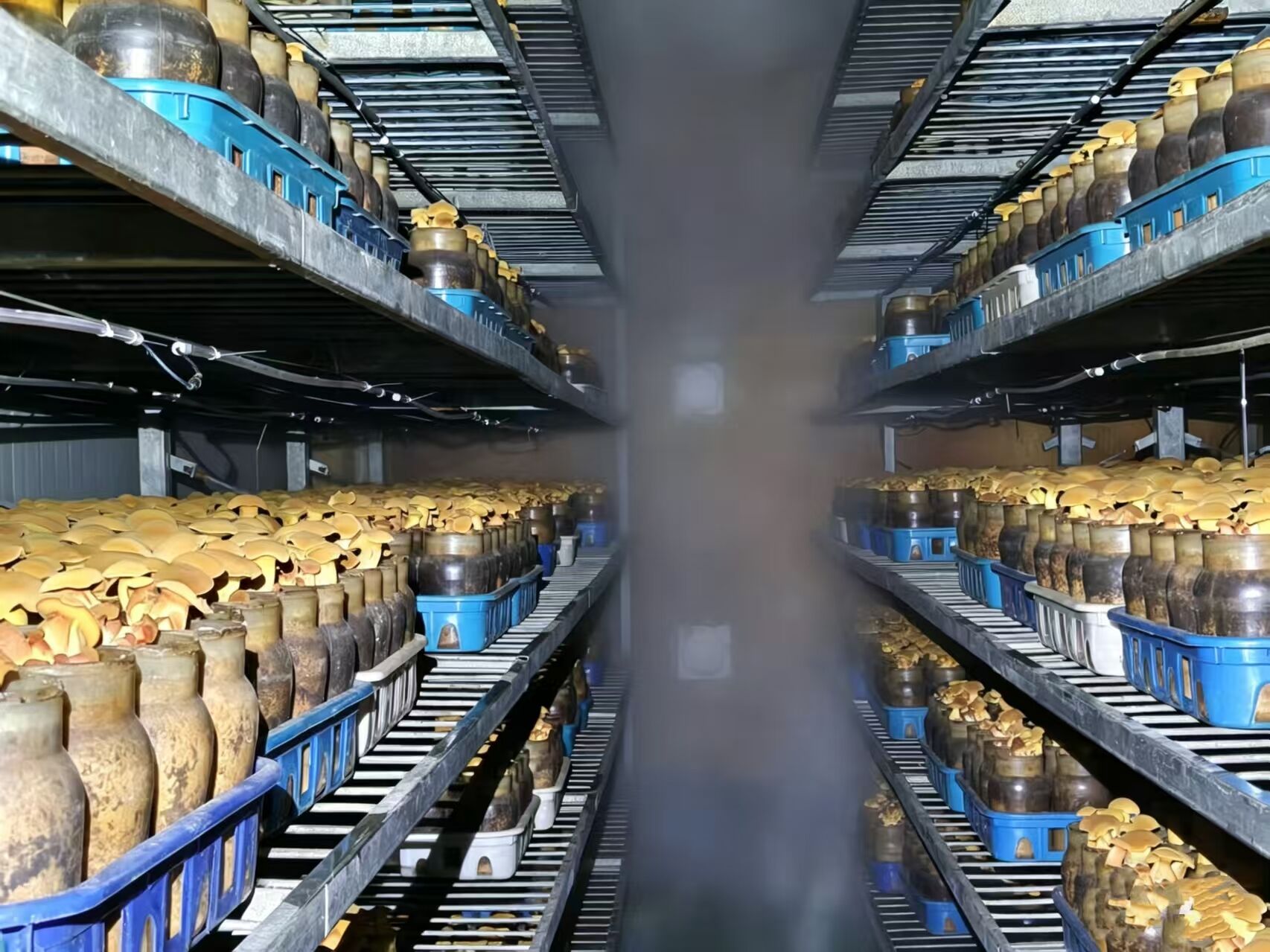
Golden porcini is a high-value edible mushroom cherished by high-end catering groups, food processing enterprises, and international importers, thanks to its unique umami flavor, firm texture, and rich nutritional content. Unlike wild golden porcini, which is constrained by natural conditions, artificially farmed golden porcini relies on advanced cultivation technologies and standardized management to solve the procurement and supply pain points of related enterprises. This blog focuses on the core benefits of artificially farmed golden porcini, focusing entirely on its cultivation advantages and value for related enterprises.
Controlled Cultivation Environment Ensures Year-Round Stable Output
Artificial cultivation of golden porcini breaks the seasonal and regional limitations of wild growth by constructing a closed, controllable cultivation environment. Professional cultivation bases, such as those operated by DETAN, precisely regulate key factors including substrate formula, temperature, humidity, light intensity, and ventilation. The substrate for farmed golden porcini is scientifically formulated with organic materials, ensuring sufficient nutrients for mushroom growth, while strict environmental control avoids the impact of extreme weather, pests, and diseases that often affect wild golden porcini.
For distributors, food manufacturers and other related enterprises, this controlled cultivation model means year-round stable output. There is no longer a shortage of supply in off-seasons or price fluctuations caused by unstable wild yields. Related enterprises can formulate procurement plans and production schedules in advance, reducing procurement risks and ensuring the continuity of their own product supply chains.
Standardized Cultivation Processes Guarantee Controllable Quality and Safety
Food safety is a core concern for related enterprises, and artificial cultivation of golden porcini achieves full-process quality control through standardized operating procedures. From substrate disinfection, strain selection, and growth monitoring to harvesting, every link of farmed golden porcini is strictly regulated to avoid risks such as heavy metal accumulation, pesticide residues, and microbial contamination that may exist in wild golden porcini.
DETAN, a leading mushroom supplier with over 20 years of experience, combines its self-developed ONE-TOUCH standard with artificial cultivation. After harvesting, the farmed golden porcini is directly packaged on-site without secondary sorting or contact, using high-composite unidirectional breathable film and rapid pre-cooling technology, followed by an end-to-end cold chain. This integration of cultivation and packaging ensures that the mushrooms retain maximum cleanliness and freshness, meeting the strict food safety standards of various regions around the world and helping related enterprises smoothly pass import inspections and enhance brand credibility.
Scientific Cultivation Technology Ensures Consistent Specifications
Related enterprises, especially food processors and catering chains, have high requirements for the consistency of mushroom specifications to improve processing efficiency and reduce costs. Wild golden porcini varies greatly in size, shape, and maturity, requiring a great deal of manual sorting and trimming, which increases labor costs and material waste.
Artificially farmed golden porcini solves this problem through scientific cultivation technology. By optimizing the substrate ratio and controlling the growth environment, the fruiting bodies of farmed golden porcini are uniform in size, intact in shape, and consistent in maturity. This standardized output greatly simplifies the grading and processing links for related enterprises, reduces labor input and processing losses, improves production efficiency, and helps enterprises achieve better cost control.
Optimized Cultivation Improves Nutritional Value and Flavor Stability
Artificial cultivation does not compromise the nutritional value and flavor of golden porcini; on the contrary, it optimizes them through precise management. Farmed golden porcini retains the unique umami and chewy texture of wild varieties, and its nutritional content is more stable and balanced. Through targeted cultivation adjustments, the content of high-quality protein, dietary fiber, B vitamins, and active polysaccharides in farmed golden porcini can be optimized, meeting the demand of high-end related enterprises for high-nutrition ingredients.
For food processing enterprises, the stable flavor and nutritional content of farmed golden porcini ensure the consistency of their finished products, such as ready-to-eat meals, condiments, and functional foods. For high-end catering chains, the pure flavor and delicate texture of farmed golden porcini help create high-quality dishes, enhancing the competitiveness of their menus.
Large-Scale Cultivation Supports Bulk Enterprise Demand
Artificial cultivation of golden porcini realizes large-scale and industrialized production, which is crucial for meeting the bulk procurement needs of related enterprises. DETAN, for example, has built a nationwide network of self-owned cultivation bases and distribution centers covering the Yangtze River Delta, Pearl River Delta, Southwest China, North China, and Northwest China, enabling large-scale cultivation of golden porcini.
This large-scale cultivation capacity allows DETAN to serve more than 1,000 enterprises in over 20 countries and regions, providing bulk, stable supplies of farmed golden porcini. For international importers and large food manufacturers, this means reliable supply support for global business layout, helping them expand market share and achieve long-term stable development.
Artificially farmed golden porcini, driven by advanced cultivation technologies and standardized management, brings multiple core benefits to related enterprises: stable year-round supply, controllable quality and safety, consistent specifications, optimized nutrition and flavor, and large-scale supply capacity. It not only solves the inherent limitations of wild golden porcini but also provides a reliable, efficient, and sustainable ingredient solution for enterprises.
With the continuous maturity of artificial cultivation technology, farmed golden porcini will further become the core choice of enterprises in the global food industry, helping them reduce costs, improve efficiency, and enhance market competitiveness.
Table of Contents
- Controlled Cultivation Environment Ensures Year-Round Stable Output
- Standardized Cultivation Processes Guarantee Controllable Quality and Safety
- Scientific Cultivation Technology Ensures Consistent Specifications
- Optimized Cultivation Improves Nutritional Value and Flavor Stability
- Large-Scale Cultivation Supports Bulk Enterprise Demand