 EN
EN

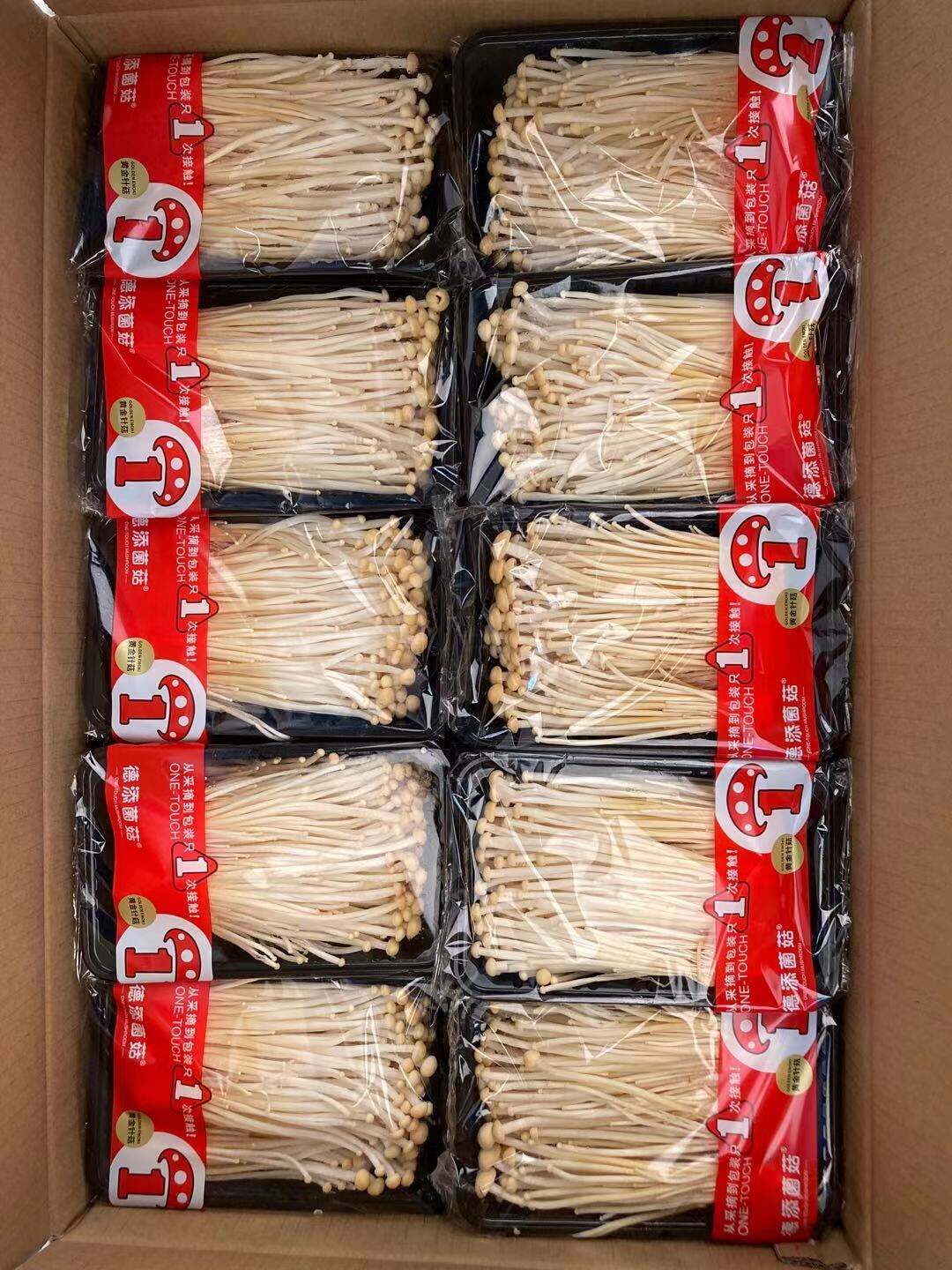
Understanding Enoki Mushroom Origin and Quality Fundamentals
Key Origin Regions and Their Impact on Flavor, Texture, and Shelf Life
The way enoki mushrooms grow changes based on where they're cultivated and how farmers approach it. In Japan and Korea, these mushrooms usually come from cool, damp growing conditions that give them their signature sweet taste and that wonderful crunch we all love. That makes them perfect for salads or just a quick sauté. Chinese producers focus more on mass production, so their enokis tend to be less intense in flavor. But what they lack in taste they make up for with clever packaging techniques that keep them fresh in the fridge for over two weeks when stored between 1 and 2 degrees Celsius. North American mushroom growers have taken a different route altogether. Many stick to organic methods and grow their enokis on wood substrates rather than rice bran. This results in firmer stems with those nice earthy undertones many chefs appreciate. And let's not forget about local sourcing benefits either. Mushrooms from nearby farms stay fresher because they don't spend days traveling through refrigerated trucks, which helps maintain that great texture and cuts down on waste.
Freshness Indicators: Cap Integrity, Stem Rigidity, and Packaging Clarity
Three objective markers reliably signal Enoki quality at point of receipt:
- Cap Integrity: Caps should be smooth, tightly closed, and uniformly ivory-white—discoloration, translucency, or surface slime indicates microbial activity or age-related breakdown.
- Stem Rigidity: Stems must snap cleanly when gently bent; limpness or bending without fracture reflects moisture loss or enzymatic softening.
-
Packaging Clarity: Vacuum-sealed bags should lie flat with no visible condensation, fogging, or gas pockets—internal humidity accelerates spoilage and masks early decay.
Mushrooms meeting all three criteria typically retain peak quality for 10–12 days under consistent 1–4°C refrigeration.
Bulk Sourcing Strategies for Enoki Mushroom Buyers
MOQs, Unit Economics, and the Shelf-Life Trade-Off
Buying in bulk definitely cuts costs, especially when ordering over 200kg which can bring down prices per kilogram by around 15 to 30 percent. But there's a catch too big to ignore if the business isn't set up properly for handling such volumes. Enoki mushrooms don't last forever even in perfect storage. They stay fresh best for about two weeks maximum, maybe three at most, when kept cool between 1 and 2 degrees Celsius with minimal shaking and steady moisture levels. The bigger the purchase, the greater the chance something goes wrong. Take a 200kg shipment as an example. If each kilogram saves three dollars initially but then thirty percent ends up thrown away because it wasn't used fast enough or stored correctly, all those savings disappear pretty quickly.
| Order Size | Cost/KG Advantage | Spoilage Risk | Inventory Pressure |
|---|---|---|---|
| Small (<50kg) | Higher per-unit | Low | Minimal |
| Large (200kg+) | 15–30% savings | High | Significant |
Successful bulk procurement hinges on modeling order size against verified weekly usage, warehouse capacity, and documented cold-chain performance—not just headline discounts.
Why Larger Orders Can Increase Risk Without Traceability or Cold Chain Control
When companies start scaling their order volumes, any problems in the system get much worse, especially if they don't have good traceability systems or proper temperature control measures in place. Just think about what happens when something goes wrong during transport. If the temperature gets above 4 degrees Celsius for over two hours, around 40% of the goods might start showing those brown spots from enzymes reacting. Without those fancy IoT temperature loggers or some kind of tracking from farm all the way to warehouse, nobody can figure out why things went bad. Spoiled products just become losses with no way to track them back. And it gets even trickier when suppliers aren't certified under HACCP standards. These folks tend to handle stuff inconsistently during harvesting, sorting, or packing, which creates little pockets of rot that nobody notices until everything arrives damaged. To put this into perspective, imagine losing $9,000 on a 300kg shipment compared to just $600 for something smaller like 20kg. At these scales, having solid quality controls isn't optional anymore it's absolutely essential for staying in business.
Ensuring Cold Chain Integrity and Packaging Compliance
Temperature Logging, Transit Time Limits, and Spoilage Thresholds for Enoki Mushroom
Enoki mushrooms don't handle heat well at all. If stored above 2 to 4 degrees Celsius (around 35 to 39 Fahrenheit), their texture starts breaking down pretty quickly. We've seen cases where the mushrooms begin to soften measurably after just four hours in improper conditions. For quality control, shipments should definitely include those temperature loggers that record every 15 minutes. They need to be properly calibrated too. The clock starts ticking from the moment these delicate fungi are harvested until they reach their final destination somewhere else. Experience shows that anything over 72 hours transit time becomes problematic even when everything else is perfect. Bacteria multiply about 60% faster past that window, which nobody wants. Packaging needs to have that special vacuum sealed film with tiny holes plus those phase change materials to keep moisture levels around 85 to 90 percent inside. Strict rejection rules apply too. Any batch showing more than 5% cap discoloration, slimy surfaces, or strange smells gets pulled immediately. And let's not forget regular checks on all those monitoring devices. Paperwork matters as well. Dock workers need clear sign off procedures whenever goods move between locations. These small steps prevent those cold chain breaks that can ruin both safety standards and how long products last on shelves.
Verifying Supplier Credibility and Regulatory Alignment
Essential Certifications: HACCP, GMP, BRCGS, and China GB 7096–2023 for Enoki Mushroom
When checking if a supplier can be trusted, look at third party certifications that actually address real risks instead of just making vague promises. The HACCP certification shows how seriously a company takes controlling pathogens, especially when dealing with stuff like Listeria monocytogenes that's a big problem in moist fungal products. Good Manufacturing Practices or GMP audits check things like how clean facilities are kept, whether equipment gets properly sanitized, and if staff knows what they're doing. These checks help stop contamination after harvest. If products need to go worldwide, getting BRCGS certified means there's proper tracking from start to finish. This includes being ready to recall specific lots and having approved suppliers in place. For shipments going into China specifically, compliance with GB 7096-2023 regulations is essential. This standard restricts moisture levels below 11%, bans those bright white additives in packaging materials, and requires tests for heavy metals and pesticides. Products that don't meet these standards face about 35% more chance of contamination issues as reported in the Food Safety Journal last year. Smart businesses should focus on suppliers who have both GMP and HACCP accreditations plus any local certifications needed for particular regions. Companies with this double accreditation tend to experience recalls roughly 60% less often than others.
Key Certification Scope
| Standard | Focus Area | Enforcement Region |
|---|---|---|
| HACCP | Pathogen control during cultivation | Global |
| China GB 7096 | Heavy metal/residue thresholds | China |
| BRCGS | Supply chain transparency | EU/UK |
FAQ
Where do enoki mushrooms grow best?
Enoki mushrooms grow best in cool, damp conditions, often found in regions like Japan and Korea.
What should I look for to ensure freshness in enoki mushrooms?
Look for smooth, tightly closed caps, rigid stems that snap cleanly, and packaging without condensation or fogging.
What are common certifications for enoki mushroom suppliers?
Common certifications include HACCP, GMP, BRCGS, and for shipments into China, compliance with GB 7096-2023.