 EN
EN

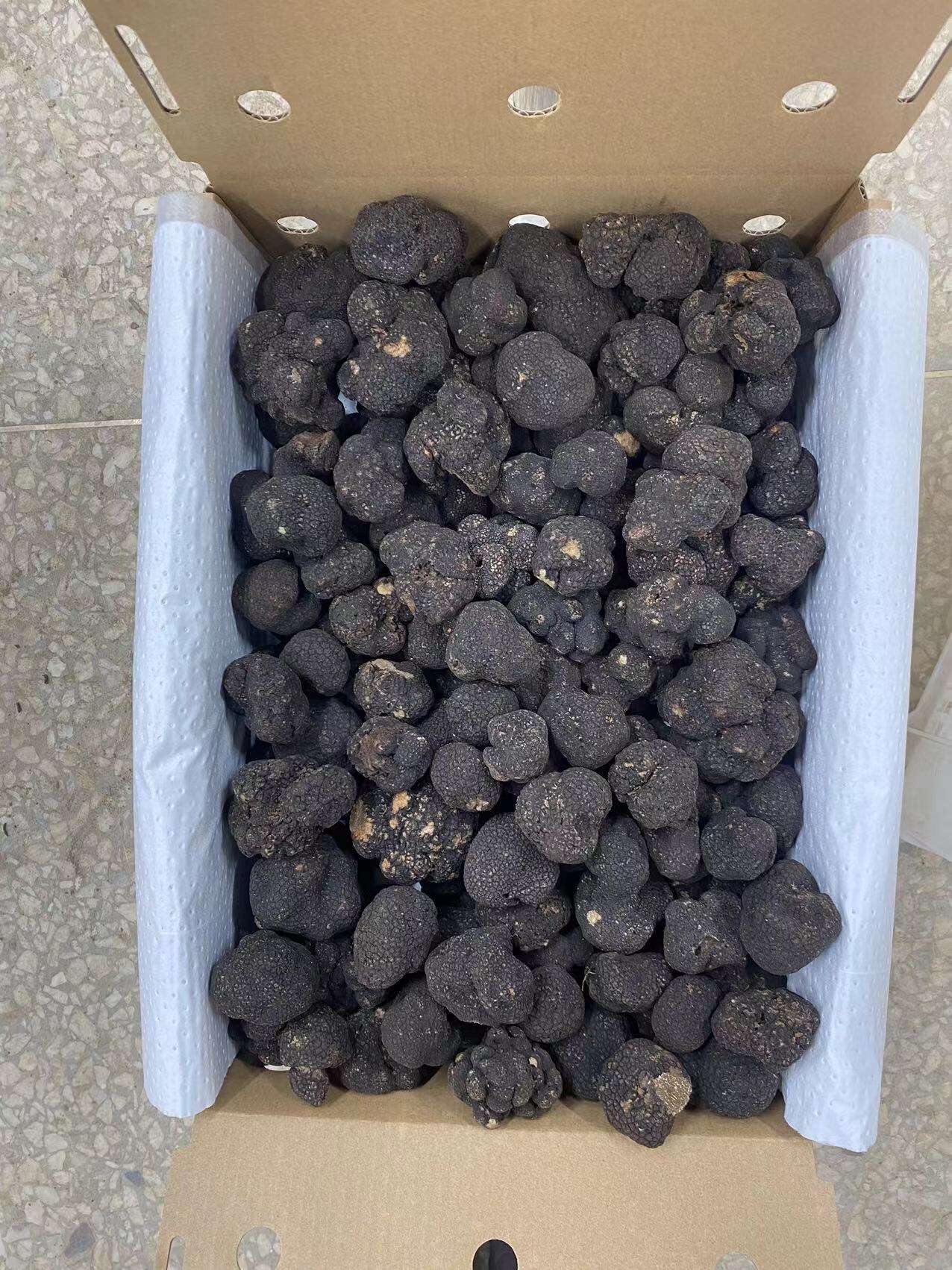
Understanding Black Truffle Quality Indicators
Color, Shape, and Size: Visual Criteria for Selecting Premium Black Truffle
The best quality black truffles have that deep black color on the outside but sometimes show hints of reddish brown underneath, which means they're fully matured. Good ones are usually between about 30 to 60 millimeters across, roughly the size of a golf ball or small baseball. When truffles get too big though, their smell tends to get weaker even though they weigh more. Shapes that look balanced and smooth without any weird bumps or lumps generally mean the truffle grew properly underground without being disturbed, and this kind of growth pattern points to really good soil conditions where the fungus could develop properly.
Cleanliness and Wholeness: Why Integrity Matters in Black Truffle Sourcing
Unbroken surfaces are essential, reflecting careful harvesting and handling. Cracks or insect boreholes expose the interior to oxidation and microbial contamination, accelerating spoilage. A 2023 analysis found that 78% of quality degradation in spoiled truffles originated from physical damage during transit, underscoring the importance of intact specimens.
Surface Texture and Firmness: Assessing Freshness of Black Truffle
When checking if a black truffle is fresh, it needs to feel firm but give just a little bit under pressure, kind of like biting into an avocado that's ready to eat. If it feels wrinkled or squishy inside, that means it's lost moisture over time. This dryness actually cuts down on those special smell molecules by around 40 percent or so. Look at the skin too. Good truffles will have a skin that feels somewhat rough to the touch. But watch out for anything that flakes off easily or has a dusty surface because that usually means the truffle is starting to dry out or already going bad.
Sensory Evaluation for Culinary Excellence with Black Truffle
Mastering sensory evaluation ensures dishes maintain their luxurious character. Professional kitchens rely on three key assessments to confirm quality before use.
Aroma Profiling: Identifying the Signature Scent of High-Quality Black Truffle
High-quality black truffles emit a complex aroma blending earthy musk, garlic, and hazelnut notes. This signature scent is primarily driven by 2,4-dithiapentane, the dominant volatile compound identified in Food Chemistry. Specimens with weak or ammonia-like odors should be rejected, as these indicate aging or improper storage.
Texture Analysis: Firm Versus Spongy—What Chefs Should Look For
Fresh truffles should feel firm but pliable, akin to chilled butter. A spongy consistency points to microbial activity or moisture loss, both of which degrade flavor. Freezing without proper preparation compromises cellular structure, leading to 22–35% aroma loss due to ice crystal formation.
Olfactory Warning Signs: Detecting Spoilage in Black Truffle Early
When truffles start smelling like acetone or sour milk, that's usually a sign something bad has happened with bacterial growth. Some studies published in the Journal of Chromatography A found that after about seven days, these little fungi begin producing way more dimethyl sulfide – around three times what they normally do. For folks wanting their truffles to last longer, putting them in sealed containers along with some dry rice works pretty well. The rice soaks up extra moisture without messing with the smell, which helps keep those precious truffle flavors intact for a bit longer.
Seasonality and Supply: Maximizing Availability of Fresh Black Truffle
Peak Harvest Windows for Black Truffle and Their Impact on Supply
Black truffles, scientifically known as Tuber melanosporum, are typically available from September all the way through March, but exactly when they come into season depends on where you look. The Périgord region of France remains the heartland for these prized fungi, with most harvesting happening between December and February. During this time, the ground stays at just the right temperature for truffle growth, somewhere around 2 to 8 degrees Celsius. Over in Spain, farmers see their best crop from November until March, largely because of how much rain falls during winter months. Australian growers have it a bit different since they're in the southern hemisphere, so their prime picking period runs from June to August, made possible by careful watering techniques. North America isn't producing huge amounts yet, mainly because many of the truffle trees planted there are still pretty young. Most American operations only manage decent harvests between January and March at this point.
| Region | Peak Months | Key Supply Factors |
|---|---|---|
| France | December-February | Free-draining limestone soils |
| Spain | November-March | Winter rainfall consistency |
| Australia | June-August | Controlled irrigation systems |
| North America | January-March | Young orchards’ yield stability |
Supply drops 30–40% in years affected by summer droughts or excessive winter rain. For example, the 2022 European heatwave reduced French yields by 35%, according to the Truffle Growers Association.
Managing Off-Season Demand and Cost Fluctuations in Restaurant Procurement
Prices rise 70–150% from April to August due to scarcity. Top kitchens mitigate this through strategic planning:
- Preservation Partnerships: Collaborate with suppliers who vacuum-seal or flash-freeze truffles at peak season, preserving 80–90% of aroma for 6–8 months.
- Menu Engineering: Use truffle-infused oils or butters during low-supply periods—options requiring 90% less fresh truffle per serving.
- Forward Contracts: Secure supply and pricing 8–10 months ahead; adopted by 62% of Michelin-starred restaurants based on 2023 procurement data.
Advanced methods like argon gas flushing now extend shelf life to 12–14 days under optimal 1–2°C storage, easing seasonal transitions.
Reliable Sourcing: Where to Buy Fresh Black Truffle for Restaurants
Online suppliers: Evaluating trustworthiness when buying black truffle
Looking to buy truffles online? Make sure sellers are open about when they were harvested, how they're stored, and where exactly they come from. Good vendors usually show clear pictures that let buyers see the actual texture of the truffle surfaces. They might also have those third party certificates that prove authenticity. What really matters though is knowing what happens during shipping. The cold chain needs to stay intact throughout transport. According to some research published last year by PR Newswire, around three quarters of all quality issues happen because temperatures weren't properly maintained during transit. For keeping truffles fresh over long distances, vacuum sealed packages with special moisture absorbing liners work best in most cases. These methods make all the difference between getting something that's still worth eating versus ending up with a disappointing purchase.
Local markets vs. specialty distributors: Pros and cons for restaurants
Local markets let people actually see what they're buying and help out nearby farmers, but come with their own problems like stuff going in and out of stock all the time and prices that jump around. Specialty distributors solve this by having products available all year long through their worldwide connections, even if it does cost somewhere between 20% extra because shipping things across countries isn't cheap. Many businesses find success by grabbing local produce when it's at its best from December through February, then relying on those same distributors when local options dry up later in the year.
Verifying origin and authenticity to avoid counterfeit black truffle
Real black truffles (Tuber melanosporum) have that characteristic marbled brown-black inside and give off an unmistakable earthy scent with hints of garlic. Unfortunately, fake stuff is everywhere. A recent 2024 report found nearly half (around 41%) of what's sold as black truffle actually contains all sorts of dodgy ingredients - think mushroom stems mixed in, artificial smells added, or even completely wrong species like Tuber indicum being passed off as the genuine article. When shopping around, don't hesitate to ask for those origin certificates and soil test results. Businesses dealing with large volumes might want to invest in molecular testing methods too. After all, nobody wants to serve customers something that isn't what it claims to be.
Storage Best Practices to Preserve Black Truffle Aroma and Shelf Life
Immediate Handling Protocols After Purchasing Black Truffle
It's best to start preserving truffles right away, ideally within about 90 minutes after getting them home. The trick is wrapping them first in those plain white paper towels they sell at grocery stores to soak up any extra moisture. After that comes the glass jar with tight fitting lid. Studies from MDPI back in 2023 found this approach cuts down on scent loss by around 40 percent when compared to storing in plastic containers. A few professional cooks actually put their truffles between layers of raw rice inside ceramic jars with lids. They swap out the rice roughly every two days to keep things from getting too damp or dry. This method seems to work pretty well according to some newer research for maintaining just the right amount of moisture. And please don't ever think about washing these precious fungi! If there's dirt or debris, gently run a soft brush over them instead.
Optimal Storage Conditions in Professional Kitchen Environments
Truffles should be kept between 1 to 4 degrees Celsius or around 34 to 39 degrees Fahrenheit with humidity levels around 85 to 90 percent. These conditions help keep most of their distinctive smells intact for about 7 to 10 days according to studies. The best kitchens manage truffle storage using special cheese caves that control temperature or fridge drawers specifically designed for truffles with small holes in the trays so air can slowly circulate. Whole fresh truffles should never go into vacuum sealed bags though. When there's no oxygen present, bad things happen inside those packages. The lack of air leads to the creation of butyric acid which makes truffles spoil much faster than they normally would.
Common Mistakes That Degrade Black Truffle Aroma and Quality
Three preventable errors cause 73% of restaurant truffle waste:
- Plastic wrap suffocation: Traps ethylene gas, producing a bitter taste within 72 hours
- Inconsistent temperature monitoring: Temperatures above 7°C (45°F) double microbial growth rates
- Freezing without preparation: Ice crystals rupture cells, resulting in 31% aroma loss in improperly frozen samples
Frequently Asked Questions (FAQ)
What are the key indicators of a premium black truffle?
Premium black truffles should exhibit a deep black color, have a balanced shape without bumps, and feel firm with a rough skin texture.
How can I store black truffles to keep their aroma intact?
Wrap them in white paper towels and store in a glass jar with a tight lid. Refrigerate at 1 to 4°C (34 to 39°F) with 85 to 90 percent humidity.
When is the peak season for black truffles?
In France, peak season is between December and February. In Spain, November to March. Australia's prime period is June to August, and North America sees harvests mainly from January to March.
What are common signs of spoilage in black truffles?
Spoiled truffles often emit odors resembling acetone or sour milk. Textures may become spongy or the aroma may degrade significantly.
What strategies do restaurants use to manage off-season demand for black truffles?
Restaurateurs employ preservation partnerships, menu engineering, and forward contracts to secure supply and control costs.
Table of Contents
- Understanding Black Truffle Quality Indicators
- Sensory Evaluation for Culinary Excellence with Black Truffle
- Seasonality and Supply: Maximizing Availability of Fresh Black Truffle
- Reliable Sourcing: Where to Buy Fresh Black Truffle for Restaurants
- Storage Best Practices to Preserve Black Truffle Aroma and Shelf Life
- Frequently Asked Questions (FAQ)