 EN
EN

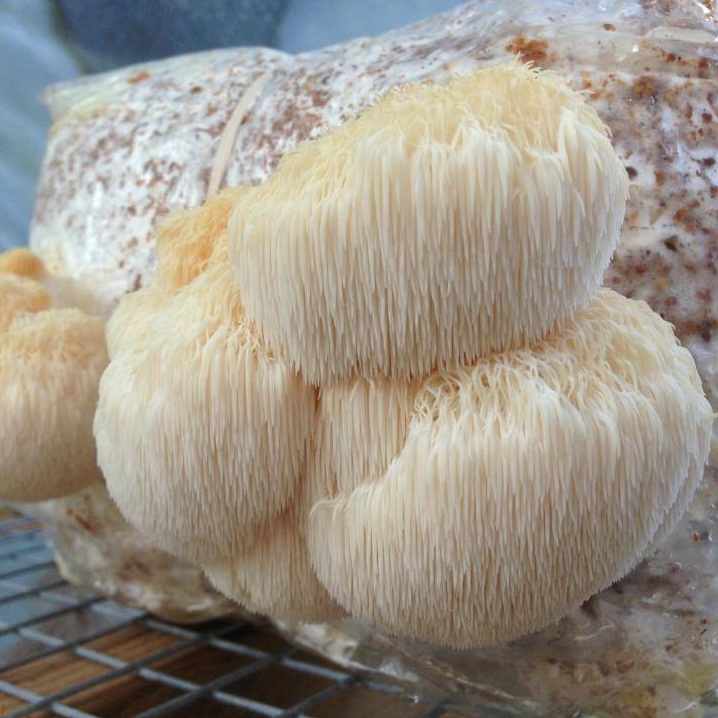
Understanding Fresh Mushroom Quality Indicators and Standards
Visual, textural, and olfactory signs of peak freshness in commercial-grade mushrooms
Peak-quality fresh mushrooms exhibit a combination of visual, tactile, and olfactory cues that signal their suitability for high-turnover foodservice operations. Caps should be uniformly dry, smooth, and fully closed—or only slightly open—with the partial veil intact on white button and cremini varieties. A firm, springy texture under light pressure confirms proper hydration and cellular integrity; soft spots, slimy surfaces, or excessive moisture suggest age or temperature abuse. Stems must snap cleanly—not bend—and show no dark discoloration. Smell is equally telling: high-grade fresh mushrooms emit a clean, earthy aroma with no trace of ammonia, sourness, or fermentation. For specialty types like shiitake, a lightly cracked but not shriveled cap surface is acceptable. Commercial buyers often use grading benchmarks—caps 2–4 inches across, uniform color, and fewer than 5% visible defects—as practical proxies for consistency and shelf-life potential. When paired with a strictly maintained cold chain, these indicators directly reduce waste and ensure delivered mushrooms retain maximum flavor, texture, and culinary performance.
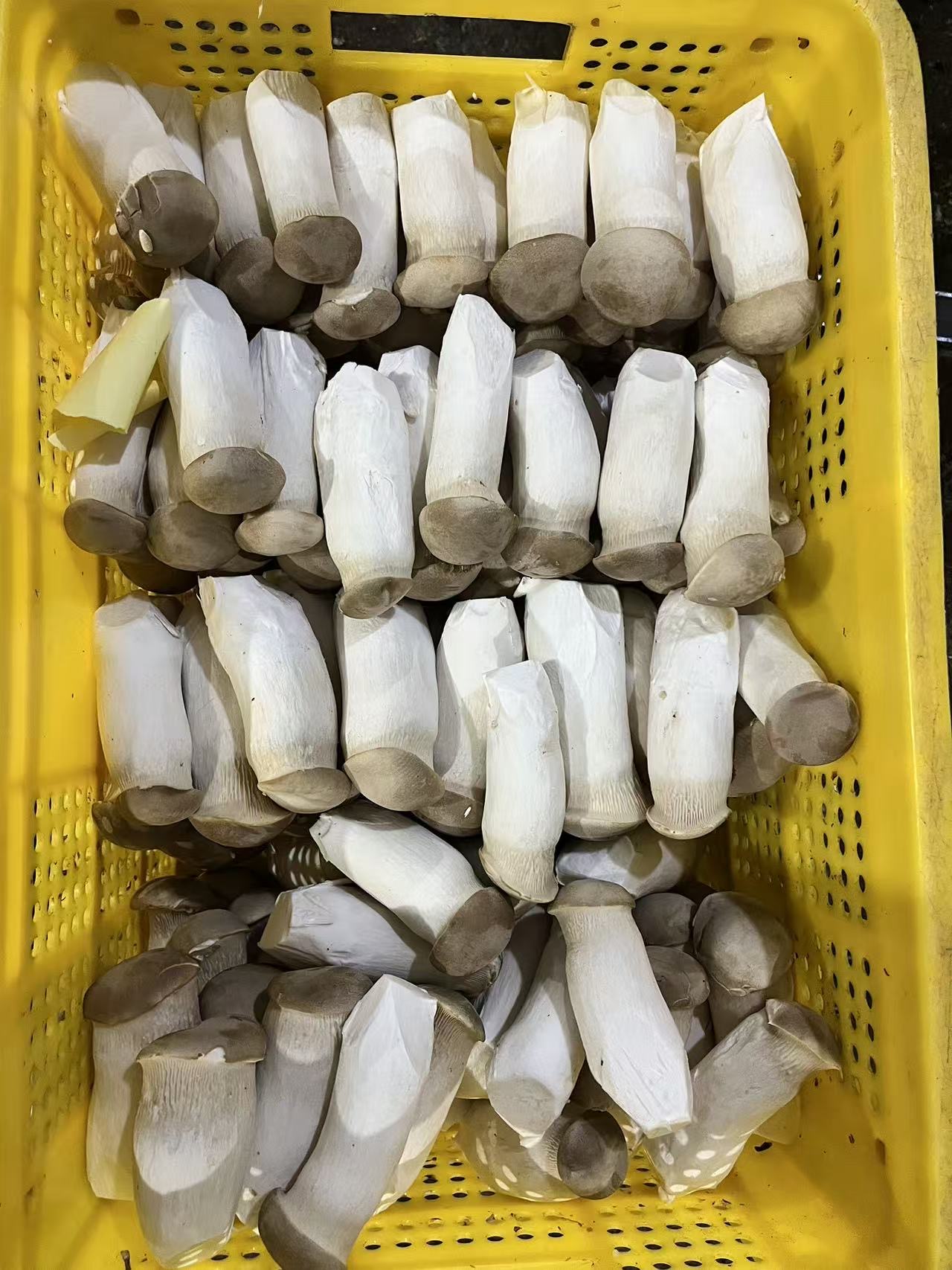
Key certifications (e.g., GAP, USDA Organic) and traceability requirements for fresh mushroom sourcing
Certifications and traceability protocols form the backbone of a trustworthy fresh mushroom supply. The USDA Organic seal verifies that mushrooms were grown without synthetic pesticides or fertilizers—meeting growing consumer demand for clean-label ingredients. Equally critical are third-party audited GAP (Good Agricultural Practices) certifications, which address on-farm food safety from irrigation water quality to worker hygiene and post-harvest handling. As outlined in the Cornell Small Farms Program’s post-harvest handling guide, adherence to GAP standards significantly mitigates contamination risks during the most vulnerable stages of production. Beyond certification, robust traceability requires that each case carries a unique lot code, harvest date, and packing facility identifier—enabling rapid, targeted recalls if needed. Buyers should demand digital traceability systems that link back to individual grow rooms. This level of transparency meets FSMA requirements and gives restaurants confidence that every shipment can be traced from spore to plate—safeguarding both brand reputation and public health.
Vetting Reliable Fresh Mushroom Suppliers: Due Diligence Essentials
Audits, Supplier References, and Supply Chain Transparency Verification
When vetting fresh mushroom suppliers, a rigorous audit is the first line of defense. On-site inspections of growing houses and packing facilities reveal real-world hygiene standards, cold-chain equipment maintenance, and actual adherence to GAP protocols—areas where polished brochures often fall short. Supplier references add another layer of validation; speaking directly with peer commercial kitchens about delivery punctuality, consistency of cap and stem condition, and responsiveness to issues provides unfiltered, operational performance data. Beyond tailored references, demand full supply chain transparency: the ability to trace a batch back to the precise harvest room and access verified temperature logs at every transfer point. A 2024 survey of food procurement teams found that organizations performing in-depth supplier audits and reference checks experienced 27% fewer quality-related kitchen rejections (Fresh Logix, 2024). This diligence transforms fresh mushroom sourcing from transactional buying into a reliability partnership grounded in evidence—not assurances.
Red Flags in Documentation, Communication, and Inconsistent Freshness Claims
Even with initial audits, certain warning signs should prompt immediate reconsideration. Watch for these red flags when evaluating fresh mushroom suppliers:
- Incomplete or non-matching documentation: Invoices that don’t align with shipment logs, missing cold-chain temperature records, or certificates that never materialize indicate a lack of process discipline.
- Resistance to transparency: A supplier that hesitates to share harvest dates, pesticide application logs, or third-party lab results often has something to hide.
- Erratic communication: Delayed replies, vague answers about growing conditions, and a pattern of avoiding direct questions signal operational instability.
- Unsubstantiated freshness guarantees: Promises of shelf life without supporting data—or claims that contradict what you see in delivered samples—are major inconsistency flags.
These symptoms often precede inconsistent arrivals and can jeopardize your kitchen’s reputation. Trust is built on documented proof—not polished sales pitches.
Evaluating Fresh Mushroom Freshness Guarantees and Cold-Chain Integrity
Fresh mushroom suppliers must back their freshness promises with robust cold-chain systems. The section below details key protocols.
Cold-chain compliance, real-time temperature monitoring, and shelf-life validation protocols
Cold-chain compliance for fresh mushroom shipments hinges on maintaining a narrow temperature band: 1–4°C is optimal for most commercial varieties. At this range, bacterial proliferation slows by 72% compared to just 5°C (FAO, 2023). Real-time IoT sensors now allow 24/7 monitoring, instantly alerting distributors to deviations as minor as 0.5°C—preserving textural integrity and microbial safety. Beyond temperature, shelf-life validation demands rigorous testing: suppliers should conduct simulated transit trials replicating worst-case handling, and use accelerated aging protocols to confirm mushrooms retain acceptable visual appeal, firmness, and odor through the promised delivery window. Industry trials show that advanced modified-atmosphere packaging—when combined with consistent cold-chain control—can extend viable freshness to 15–18 days under 3°C, reducing spoilage loss by up to 30%. Buyers should require verifiable freshness guarantees—such as microbial count limits upon arrival—and insist on third-party audits of cold-chain records to ensure these protocols reflect operational reality—not marketing claims.
Ensuring On-Time, Condition-Consistent Delivery for Fresh Mushroom Orders
Transit time impact on freshness retention and strategies to minimize perishable loss
Extended transit directly accelerates fresh mushroom deterioration. Each extra hour outside the optimal 2–4°C range triggers excess respiration, moisture loss, and microbial growth—reducing commercial shelf life by a day or more. To curb perishable loss, start with verified cold-chain compliance: continuous real-time temperature and humidity logging confirms shipments never breach safe thresholds. Modified atmosphere packaging—such as breathable liners that maintain ideal oxygen and CO₂ levels—can extend viable storage to over two weeks for sensitive varieties. Pairing these with route-optimized, dedicated refrigerated transport and just-in-time delivery schedules drastically reduces handling and ambient exposure. Facilities should enforce strict receiving protocols—including immediate core temperature checks and visual quality assessment upon arrival—to quickly flag any condition gaps and reject compromised loads before they enter inventory.
FAQ
How can I identify fresh mushrooms from visual and textural cues?
Fresh mushrooms should have uniformly dry, smooth caps that are closed or slightly open, firm texture, and no slimy surfaces. Stems should snap cleanly and emit a clean, earthy aroma.
What certifications are essential when sourcing fresh mushrooms?
USDA Organic and GAP (Good Agricultural Practices) certifications are crucial. They ensure compliance with food safety, clean-label standards, and proper handling throughout the supply chain.
What steps ensure freshness guarantees for mushroom shipments?
Insist on cold-chain integrity (1–4°C), verifiable freshness guarantees, real-time temperature monitoring, and modified atmosphere packaging. These protocols help maintain consistency and lengthen shelf life.
What should I look for when vetting suppliers?
Conduct audits on-site, request supplier references, check for transparent supply chain documentation, and assess the consistency of received samples.
What are red flags in fresh mushroom supplier relationships?
Red flags include incomplete documentation, lack of transparency, delayed communication, and unsubstantiated freshness claims that contradict delivered quality.
Table of Contents
- Understanding Fresh Mushroom Quality Indicators and Standards
- Vetting Reliable Fresh Mushroom Suppliers: Due Diligence Essentials
- Evaluating Fresh Mushroom Freshness Guarantees and Cold-Chain Integrity
- Ensuring On-Time, Condition-Consistent Delivery for Fresh Mushroom Orders
-
FAQ
- How can I identify fresh mushrooms from visual and textural cues?
- What certifications are essential when sourcing fresh mushrooms?
- What steps ensure freshness guarantees for mushroom shipments?
- What should I look for when vetting suppliers?
- What are red flags in fresh mushroom supplier relationships?