 EN

Why Dried Mushrooms Outperform Fresh Mushroom in Industrial Applications
Extended shelf life and microbial stability for scalable production
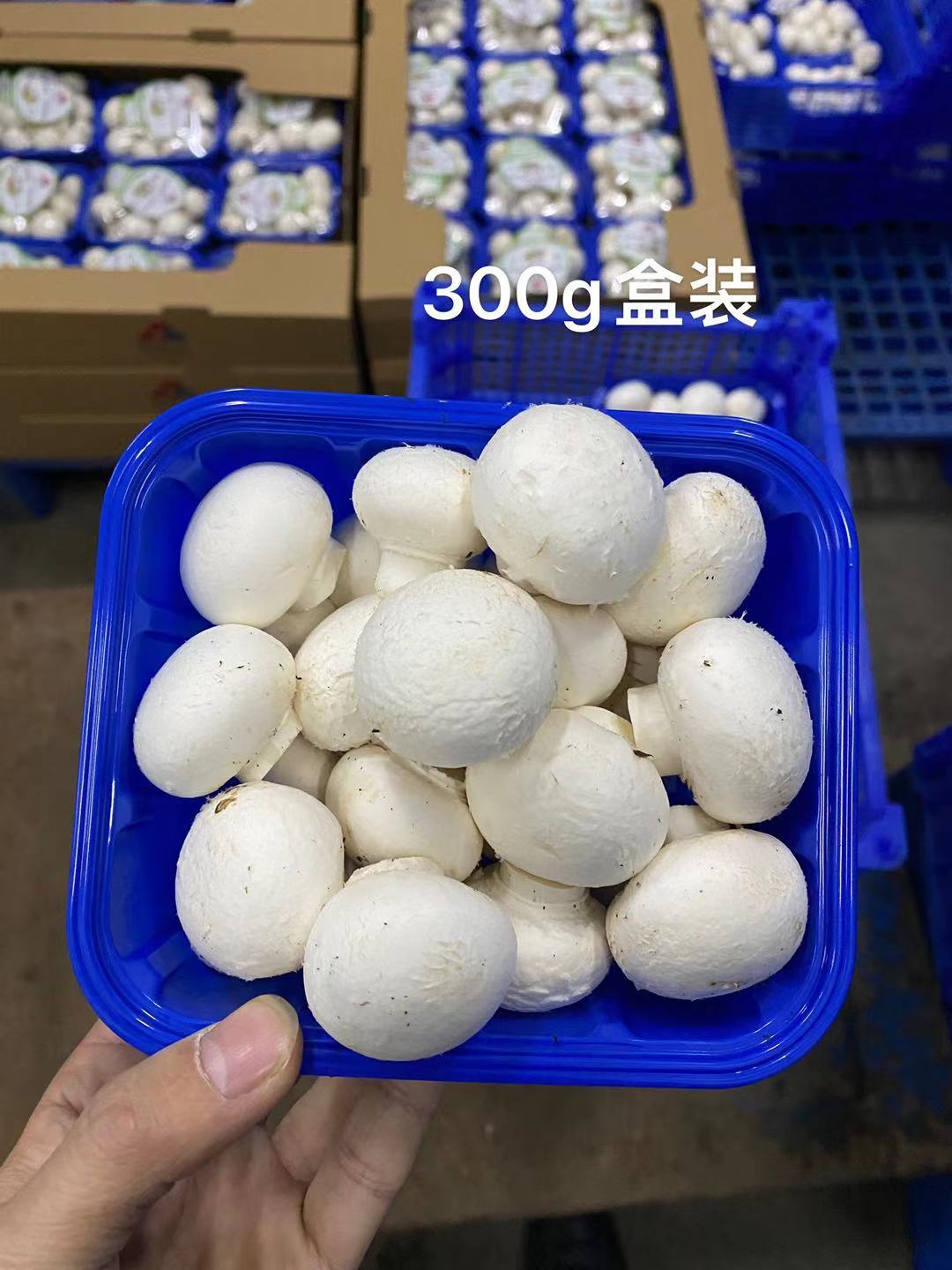
Fresh mushrooms contain 80–90% water, making them highly perishable—with a cold-chain shelf life of just 5–7 days before spoilage. Drying removes up to 95% of that moisture, reducing water activity well below the 0.6 threshold required for bacterial, yeast, and mold growth (Food Research International, 2023). The result is a shelf-stable ingredient that retains functional integrity for 12–24 months under ambient storage—eliminating refrigerated transport, minimizing waste, and enabling predictable supply at scale. Uniform particle size, consistent bulk density, and low, validated microbial counts further support seamless integration into automated dry-blending lines, reducing line stops and sanitation frequency. In contrast, even one batch of fresh mushroom paste with elevated bioburden poses significant recall risk; dried equivalents—verified via standard plate counts—virtually eliminate that concern.
Consistent umami intensity and sodium-reduction synergy
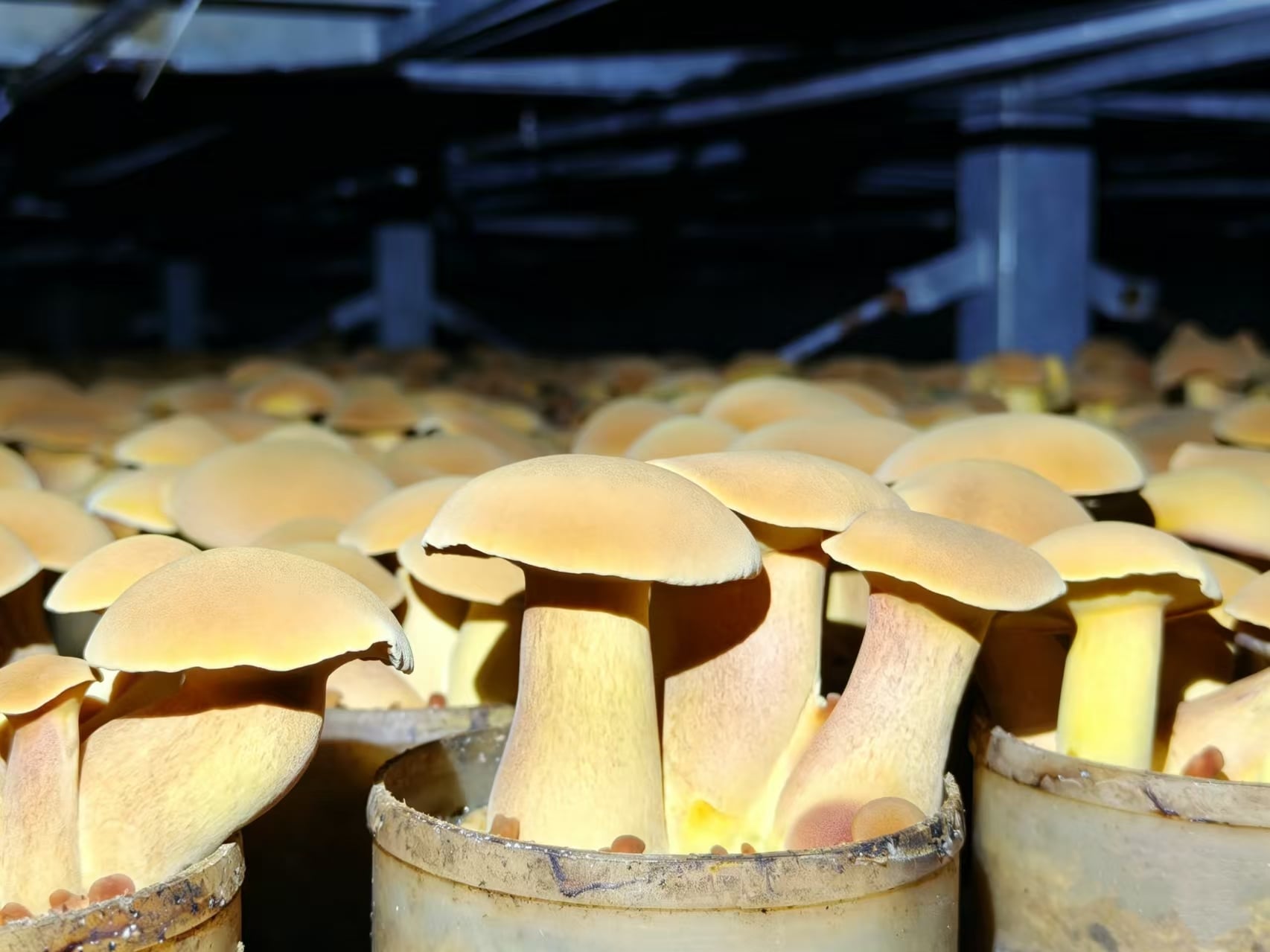
Fresh mushroom flavor fluctuates with cultivar, growing conditions, and post-harvest handling—making reproducible umami delivery challenging in mass production. Drying concentrates free amino acids—especially glutamate—by roughly 10-fold, so 1 g of dried powder delivers the same savory impact as 10 g of fresh. This concentration enables precise flavor calibration without dilution from water content. Critically, the glutamate-dominant profile synergizes with sodium-reduction strategies: dried mushroom extracts can amplify perceived saltiness by up to 30%, allowing formulators to cut sodium by 15–25% while maintaining consumer-accepted taste (U.S. Institutes of Health, 2023). A stable glutamate-to-nucleotide ratio in properly dried material ensures batch-to-batch consistency—essential for clean-label soups, sauces, and plant-based meats relying on dependable umami rather than synthetic flavor rounds.
Key Food Categories Leveraging Dried Mushroom Ingredients
Meat analogs and extenders: texture enhancement and savory depth in plant‑based burgers
Dried mushroom powders solve core texture and flavor challenges in plant-based meats—where fresh mushrooms’ high water content and rapid degradation are liabilities. Dehydrated Agaricus bisporus and Pleurotus ostreatus flours improve water-holding capacity and reduce lipid oxidation in beef patties (Cerón-Guevara et al., 2019), while dried Agaricus bisporus delays rancidity and preserves color in fermented sucuk (Gençcelep, 2012). Fermented oyster-mushroom sausage prototypes achieve savory depth and firm texture comparable to conventional meat (Chockchaisawasdee et al., 2010). Dried mushroom’s innate glutamates also support sodium reduction—enabling up to 25% less salt in burger formulations without compromising taste. Fine spray-dried powders disperse evenly in protein matrices, preventing grittiness while binding fat and water. This combination of texture fortification, flavor enhancement, and clean-label appeal makes dried mushroom ingredients foundational for plant-based burgers and extruded meat extenders.
Bakery, dairy‑free cheese, and ready‑to‑eat soups: functional enrichment without moisture interference
In bakery, dairy-free cheese, and ready-to-eat soups, dried mushroom ingredients deliver savory depth and functional benefits without destabilizing low-moisture or water-sensitive systems. Unlike fresh mushrooms—which release water during baking or cooking and cause sogginess—dried powders absorb minimal moisture, preserving crispness in crackers and breads. In dairy-free cheese analogs, mushroom extracts mimic aged-cheese umami while improving melt and mouthfeel; sensory panels confirm enhanced perceived richness and reduced salt reliance (Reis et al., 2017). For dry soup mixes, powdered mushrooms dissolve rapidly upon rehydration, releasing flavor in a controlled burst and enriching nutritional profiles with dietary fiber and micronutrients. Microbial stability is assured: drying reduces water activity below 0.6, limiting pathogen growth and extending ambient shelf life far beyond fresh alternatives. Standardized dosing—typically 1–3% of dry weight—ensures consistent taste impact without off-notes, supporting innovation across gluten-free, plant-based, and clean-label categories.
Drying Technologies and Their Impact on Functional Performance
Selecting the right dehydration method is critical—because drying doesn’t just preserve; it defines how mushroom ingredients perform sensorially and functionally in final products. While fresh mushrooms offer delicate flavor and high moisture, their water activity (~0.97) invites rapid spoilage and inconsistent industrial behavior. Reducing moisture to below 10% creates a stable, concentrated ingredient—but the drying technology determines flavor fidelity, rehydration dynamics, and texture contribution—not just final moisture level.
The table below summarizes how common industrial drying technologies affect key functional attributes of dried mushroom powders and pieces.
| Drying Technology | Flavor & Aroma Profile | Rehydration & Texture Impact | Typical Process Conditions & Energy Footprint |
|---|---|---|---|
| Hot‑air / Convection | Mild loss of volatile aromatics; Maillard reactions deepen savory notes—though earthy off-flavors may emerge above 70°C (An et al., 2023). | Slow, uneven rehydration; tissue collapse yields denser, chewier particles—ideal for long-cook soups. | 60–80°C, 6–12 h; 15–30 MJ/kg water removed; widely scalable. |
| Freeze‑drying (Lyophilization) | Superior retention of fresh-like aroma and umami-boosting nucleotides (~85% preservation of 5′-GMP, versus 40–50% in hot-air). | Rapid, complete rehydration within 2–3 minutes; porous, sponge-like structure ideal for instant soups and dry mixes. | −40 to +30°C under vacuum, 24–48 h; 50–70 MJ/kg water; high capex. |
| Spray‑drying | Concentrated, roast-type flavor with high solubility; short heat exposure minimizes bitter caramelization if outlet temperature ≤90°C. | Produces fine, instantly soluble powder—used in seasoning blends and clear broths. | Inlet 180–220°C, outlet 85–95°C, seconds residence; 10–15 MJ/kg. |
| Vacuum‑belt / low‑temperature drying | Maintains brighter natural color and fruity-earthy notes due to oxygen-free, gentle heating—ideal for delicate shiitake or porcini. | Intermediate rehydration; less shrinkage than hot air, yielding softer, plumper rehydrated pieces. | 40–50°C under 5–10 kPa, 4–8 h; 20–30 MJ/kg. |
Beyond preservation, drying technology governs functional behavior: freeze-dried powders disperse clump-free in dry seasonings, while hot-air-dried granules require pre-hydration in wet matrices like plant-based patties to match fresh texture. A 2022 study in Innovative Food Science & Emerging Technologies found vacuum-dried oyster mushroom retained 92% of its ergothioneine antioxidant capacity—versus 68% for air-dried samples—confirming that dryer choice directly influences nutritional claims. Manufacturers therefore select drying methods based on application-specific needs—whether rapid dissolution, chew-mimicking texture, or maximal flavor yield—treating dehydration as a precision engineering step, not a generic finishing task.
Optimizing Flavor Delivery: Dosage, Matrix Compatibility, and Release Kinetics
Low-moisture vs. aqueous systems: dosage thresholds and rehydration-driven flavor release
Dried mushroom ingredients concentrate umami compounds—reducing required dosage by ~90% compared to fresh. In low-moisture matrices—such as snack seasonings, dry soup blends, or crackers—flavor release depends on rehydration during oral processing or cooking. A 2023 formulation study found that 0.3–0.5% by weight of mushroom powder delivers perceptible savory depth without grittiness. In aqueous systems like broths and sauces, immediate rehydration triggers rapid glutamate and nucleotide release—but sensitivity is higher: exceeding 1–2% may introduce bitter off-notes from overcooked proteins. Matrix water activity governs release kinetics—powders remain inert in dry environments until moisture initiates swelling and solubilization. Rehydration temperature and time further modulate intensity: warm water (>60°C) accelerates nucleotide dissolution, while cold-processed dressings require finer particle sizes for uniform dispersion.
FAQ
Why are dried mushrooms preferred over fresh in industrial applications?
Dried mushrooms have lower water activity, longer shelf life, and are easier to store and transport. They also ensure consistent flavor and microbial stability for scalable production.
How do dried mushrooms support sodium reduction in food products?
The high concentration of glutamate in dried mushrooms synergizes with lower sodium levels, enhancing perceived saltiness while allowing formulators to reduce sodium content by 15–25%.
What are the key benefits of dried mushrooms in plant-based meats?
Dried mushrooms improve texture, enhance flavor, and enable sodium reduction without compromising product quality, making them ideal for plant-based burgers and meat extenders.
What are some common drying technologies and their impact?
Drying methods like freeze-drying, spray-drying, and hot-air drying affect flavor preservation, rehydration properties, and production scalability, influencing the functional performance of dried mushroom ingredients.