 EN

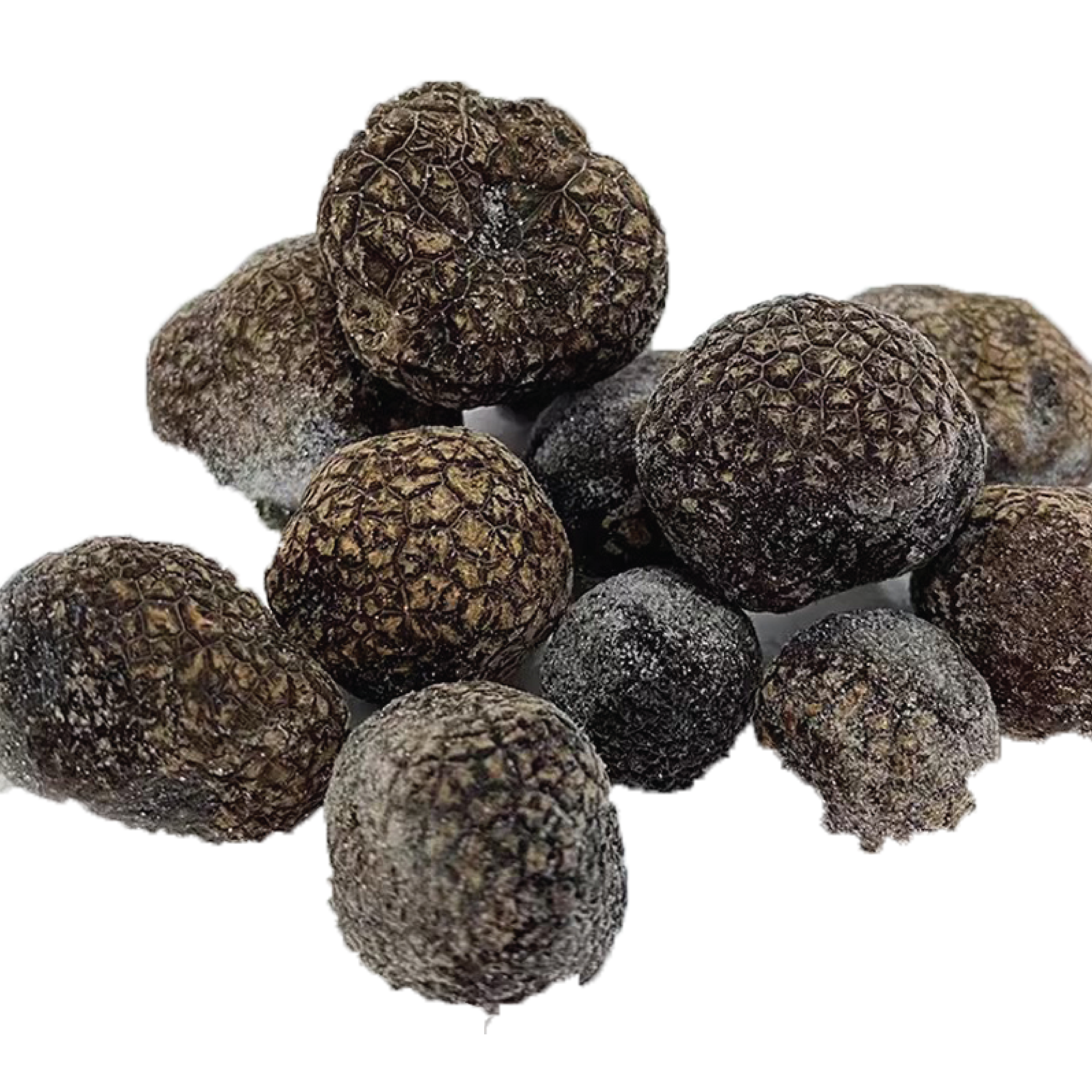
Verify Truffle Authenticity and Full Supply Chain Traceability
Species Identification and Labelling Accuracy: Avoiding Costly Misrepresentation
For premium food distributors, sourcing authentic truffles demands rigorous species verification—mislabeling erodes brand credibility and consumer trust. Research shows nearly 40% of customers stop purchasing after a trust breach, making accurate labelling non-negotiable. Leading suppliers should provide genetic authentication via DNA barcoding or isotopic fingerprinting to distinguish high-value species like Tuber melanosporum from cheaper substitutes such as Tuber indicum. Each lot must be accompanied by a certificate of analysis specifying species, harvest date, and testing method. Visual inspection—assessing peridium texture, gleba colour, and aroma—is valuable but insufficient on its own; scientific validation closes the gap. Distributors must confirm labelling complies with international food standards and that “truffle-infused” claims reflect verifiable inclusion rates. Embedding species verification into supplier qualification shields your brand from recalls, legal disputes, and reputational harm when premium products prove to be impostors.
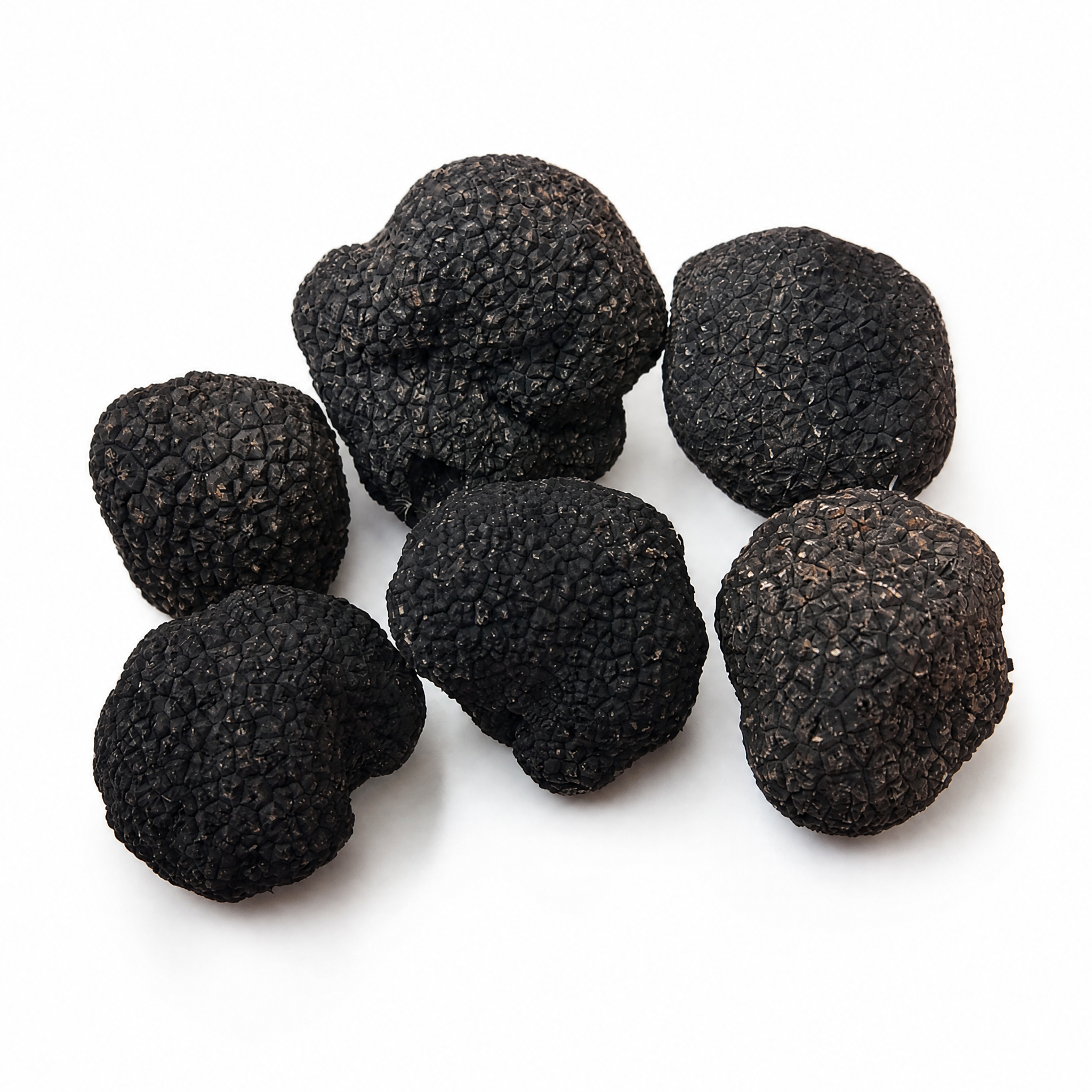
End-to-End Lot Traceability: From Harvest Location to Distribution Hub Documentation
Complete lot traceability safeguards against adulteration and gives buyers full visibility into a truffle’s journey. Every shipment must carry a digital lot code linked to an immutable record—including GPS coordinates of the harvest site, host tree species, harvester ID, and time of unearthing. This data is typically stored on a blockchain or secure cloud platform and follows the product through grading, cold storage, and transport, with real-time temperature logs and handling timestamps. At the distribution hub, documentation must include a chain-of-custody log capturing every handoff—enabling instant recall if quality issues arise. Such transparency meets rising regulatory expectations and empowers distributors to answer customer provenance queries with authority. A supplier willing to share this depth of detail demonstrates operational maturity and integrity—turning traceability from compliance into a competitive advantage that justifies premium pricing.
Evaluate Truffle Freshness, Sensory Quality, and Cold Chain Integrity
Aroma, Texture, and Microbial Standards for Premium Truffle Shelf Life
Fresh truffles should feel firm with a slight give—comparable to a ripe avocado. Wrinkled or overly soft specimens signal moisture loss, which can reduce key aroma compounds by up to 40%. Skin must be rough and intact—not flaking or dusty. Aroma profiling is essential: top-tier truffles emit an intense, earthy scent dominated by dimethyl sulfide. A 2017 study found that volatile aroma molecules decline by approximately 22% after 10 days. Under optimal storage (2–8°C, 85–95% relative humidity), truffles remain viable for 10–12 days. Humidity below 80% hardens texture; above 95%, microbial bloom becomes likely. Routine microbial checks—verifying zero visible mold and surface cleanliness—are critical to ensure shelf life and consumer safety.
Temperature-Controlled Logistics: Preventing Bloom and Aroma Degradation
A stable cold chain at 2–8°C—with fluctuations held to under 1°C—is essential. Even brief exposure above 8°C accelerates enzymatic breakdown of over fifty volatile organic compounds, directly degrading aroma. Humidity must be tightly maintained between 90–95% to prevent condensation-induced surface bloom. Advanced isothermal containers with phase change materials hold truffles at 4–6°C for at least 48 hours; oxygen scavengers and modified atmosphere packaging further extend freshness. Data from European specialty food transporters (2024) show such systems reduce quality complaints by 60%. Real-time temperature and humidity monitoring—paired with hygroscopic buffer liners—effectively prevent bloom and extend marketable life beyond the typical 10-day window.
Assess Supplier Credibility Through Origin Verification and Third-Party Validation
A supplier’s paperwork alone cannot guarantee provenance or quality. Food distributors risk costly misrepresentation unless they independently verify origin and operational integrity. Origin verification requires tracing each truffle back to the specific harvest location, species, and collection date using auditable documentation—not just certificates. Third-party validation adds indispensable trust: independent auditors inspect facilities, review lot-level traceability records, and certify that handling protocols meet food safety and authenticity standards. A 2022 survey of specialty food importers found that 34% had encountered fraudulent documentation involving high-value perishables—highlighting the necessity of rigorous verification (Food Fraud Prevention Think Tank, 2022). To assess credibility, distributors should request audit reports from recognized bodies confirming legal registration, harvest certification, and cold chain adherence. Virtual or in-person site visits further validate whether the supplier operates at the claimed origin and maintains appropriate sorting, grading, and storage infrastructure. Cross-checking references from other premium food businesses helps identify reliability—or red flags like inconsistent labeling or delayed shipments. Ongoing monitoring remains vital: credibility can shift with seasonal pressures or management changes. Combining origin verification with third-party validation builds a robust defense against adulteration and reputational risk while reinforcing the authenticity your customers expect.
Align Truffle Sourcing with Seasonality, Terroir, and Product Integration Requirements
Matching Truffle Origin and Harvest Window to Ingredient Synergy (e.g., Chocolate, Dairy)
Truffle terroir and harvest timing directly shape aromatic profile—making species selection foundational for ingredient synergy. Black winter truffles (Tuber melanosporum), with their deep, earthy notes, pair powerfully with dark chocolate; summer truffles (Tuber aestivum) offer lighter, more delicate aromas ideal for dairy-based applications. Timing harvest to peak aroma ensures consistent sensory impact in final products. To bridge seasonal gaps, forward contracts—secured months in advance—are increasingly standard: a 2023 procurement analysis found that 62% of Michelin-starred restaurants use them to stabilize supply and pricing. Off-season, flash-frozen truffles and artisanal truffle oils or butters retain 80–90% of volatile aroma compounds, enabling year-round menu innovation without compromising quality. Aligning origin-season dynamics with product requirements allows distributors to deliver consistent, sensorially compelling integration across all seasons.
Establish Scalable, Trust-Based Partnerships Through Structured Trial and Joint QA Protocols
Building a reliable truffle supply chain requires moving beyond transactional purchasing toward formalized, collaborative partnerships. For premium food distributors, a supplier’s ability to deliver consistent quality is verified not by marketing claims—but through structured, documented trials and joint Quality Assurance (QA) protocols. This process aligns both parties on objective performance benchmarks before full-scale integration, minimizing friction and financial risk.
A structured trial begins with a small-batch shipment replicating expected commercial volume, handling, and transport conditions. Distributors must define clear, component-level Quality KPIs—including acceptable thresholds for defect rates, weight loss on arrival, and aroma potency—and agree on them with the supplier in advance. This shared definition of success eliminates ambiguity and downstream disputes over subjective quality perception.
Once the trial batch passes initial inspection, the partnership deepens through joint QA protocols. These standardize a recurring review rhythm: pre-shipment alignment calls, post-lot sensory and microbial data summaries, and quarterly performance benchmarking sessions. This cadence institutionalizes transparency—ensuring minor deviations trigger root-cause analysis rather than relationship strain.
| Trial Phase | Objective | Key QA Output |
|---|---|---|
| Pre-Shipment Alignment | Agree on product spec sheet, harvest window, and target aroma profile | Signed product specification document with pass/fail criteria |
| Trial Lot Delivery | Validate cold chain integrity and sensory quality upon arrival | Inbound inspection report with time/temperature logger data |
| Post-Trial Review | Correlate supplier data with distributor’s internal quality metrics | Joint scorecard; approval or conditional acceptance with corrective action plan |
| Scaled Partnership QBR | Review volume capacity, consistency trends, and process improvements | Quarterly business review summary with updated forecast and KPI targets |
This framework also enables mutual investment. A leading food importer who co-develops a specialized cool-chain packaging protocol with a supplier during trials doesn’t just solve a logistics challenge—it signals shared commitment. Such collaboration often yields preferred-supplier status, priority allocation during constrained harvests, and joint innovation opportunities for new truffle-infused product lines. The trial, therefore, serves as the proving ground for a partnership that is both quality-focused and operationally scalable.
FAQ Section
What methods ensure truffle authenticity?
Truffle authenticity can be verified using advanced techniques such as DNA barcoding or isotopic fingerprinting, which distinguish high-value species from lower-quality substitutes. Certificates of analysis detailing species, harvest dates, and testing methods further guarantee authenticity.
How can lot traceability benefit food distributors?
Lot traceability improves transparency and safeguards against adulteration by linking each shipment to an immutable record that includes harvest location, host tree species, and a chain-of-custody log. This ensures regulatory compliance and builds customer trust.
What storage conditions maximize truffle shelf life?
Optimal storage conditions are temperatures between 2–8°C and 85–95% relative humidity. These conditions help retain aroma and prevent microbial bloom.
Why do suppliers require third-party validation?
Third-party validation ensures accuracy in origin claims and compliance with food safety standards. Independent audits and facility inspections confirm the credibility of suppliers and prevent fraudulent practices.
What role does harvest timing play in truffle quality?
Harvest timing is critical to aroma potency. Black winter truffles, for instance, need to be harvested during peak season to enhance synergy with specific applications, such as chocolate-based recipes.
Table of Contents
- Verify Truffle Authenticity and Full Supply Chain Traceability
- Evaluate Truffle Freshness, Sensory Quality, and Cold Chain Integrity
- Assess Supplier Credibility Through Origin Verification and Third-Party Validation
- Align Truffle Sourcing with Seasonality, Terroir, and Product Integration Requirements
- Establish Scalable, Trust-Based Partnerships Through Structured Trial and Joint QA Protocols