 EN
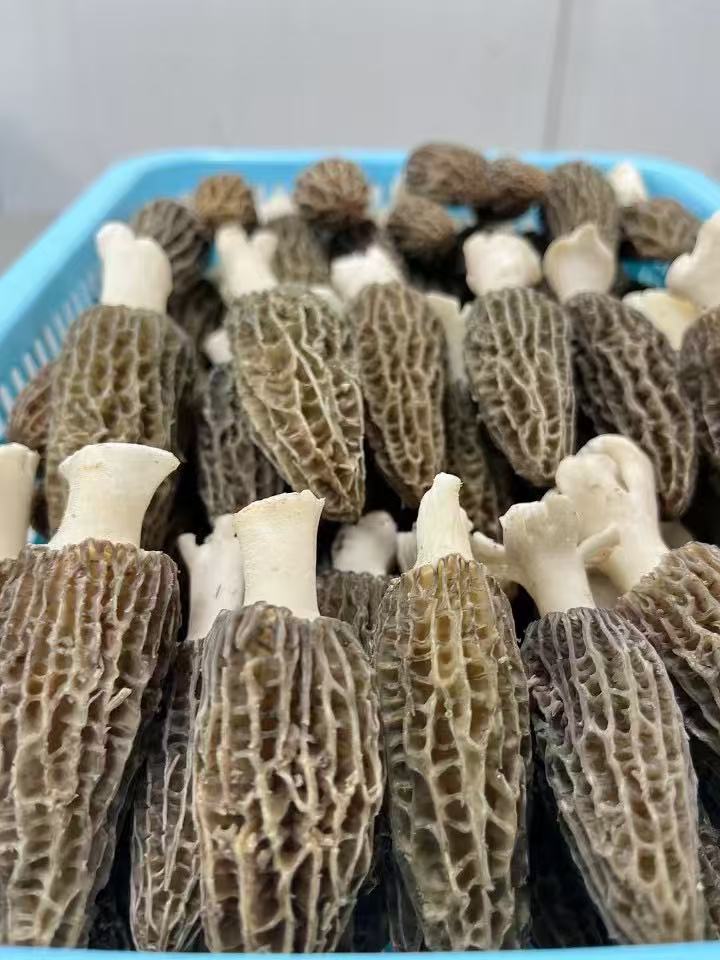
Understanding Global Morel Sourcing: Origins, Seasonality, and Supply Realities
Key Morel Export Regions: China, Nepal, Turkey, and Emerging Wild Harvest Zones
Global sourcing of wild morels centers on a few key regions, each with distinct harvest windows and quality profiles.
- China: Yunnan and Sichuan provinces supply the bulk of global exports, shipping over 1,200 metric tons of dried morels in 2022 (UN Comtrade 2023). Chinese morels benefit from well-established drying infrastructure and consistent grading.
- Nepal: Himalayan foothills yield prized black morels (Morchella conica) that are typically sun-dried and valued for their intense, woodsy aroma. Smallholder collectors dominate, making aggregation subject to variable quality.
- Turkey: The Black Sea and Anatolian highlands produce morels from April to June. Turkish exporters are increasingly pursuing organic certifications to capture EU premiums.
-
Emerging zones: Eastern Europe (e.g., Bulgaria) and North Africa are expanding commercial wild harvests. Supply from these regions remains fragmented, lacking the processing consistency of established Asian origins.
Traceability remains a hurdle across all origins; robust supplier verification is essential to avoid adulteration.
Seasonal Supply Windows and Volatility: Why Morel Availability Dictates Procurement Timing
Morel procurement follows a tight natural calendar. In the Northern Hemisphere, fresh harvests typically run from March to June, with China’s Yunnan season peaking in April and Nepal’s high-altitude collection extending into early June. Turkey mirrors this window, with most volume arriving in May. Because 85% of traded morels are dried, processors can buffer seasonal gaps—but fresh-market buyers face acute volatility. A delayed snowmelt in the Himalayas shortened Nepal’s 2023 harvest by three weeks, slashing export volumes by nearly 30% (Nepal Agricultural Research Council 2023). Price swings of 40% are common when supply falls short of contracted demand. To secure stable volumes, importers typically finalize purchase commitments 6–8 weeks before the harvest peak. Late-season buyers often encounter limited availability or quality degradation—underscoring why procurement timing directly determines supply continuity and cost control.
Evaluating Morel Supplier Capabilities: Traceability, Certification, and Processing Quality
Food Safety Compliance: Navigating EU Organic, USDA NOP, and Heavy Metal Testing Requirements for Morel
Wild-harvested morels demand rigorous food safety proof before they reach regulated shelves. Buyers must verify that suppliers hold certifications aligned with destination market requirements. For EU entry, compliance with the EU Organic regulation (EC 834/2007) is essential, requiring documented collection zones free of prohibited substances. To access the US market, conformance with USDA National Organic Program (NOP) standards is mandatory, including an unbroken chain-of-custody from harvester to exporter. These certifications confirm that morels were not exposed to synthetic pesticides or contaminated drying aids. Beyond organic integrity, heavy metal testing forms a critical filter. Reputable suppliers provide batch-specific laboratory analysis for cadmium, lead, and mercury. While maximum permitted levels vary by jurisdiction, non-detect or well-below-threshold results are the de facto market expectation. A supplier that proactively contracts ISO/IEC 17025-accredited labs for each harvest cycle demonstrates a mature traceability system. Demand third-party test reports before shipment—and connect those reports to the lot numbers printed on packaging. This dual verification—certification plus analytical data—reduces the risk of border rejection and builds retailer confidence.
Drying Methods and Nutritional Integrity: How Low-Temp Dehydration Preserves Morel Flavor and Market Premium
Dehydration technique determines morel quality far more than many buyers realize. High-temperature drying (above 60 °C) accelerates water removal but destroys volatile aroma compounds and degrades heat-sensitive vitamins—yielding a brittle, pale product that commands a lower price. In contrast, low-temperature dehydration below 40 °C retains the mushroom’s characteristic earthy fragrance, natural umami, and dark honeycomb structure. This gentle process preserves amino acids such as glutamic acid, which directly contribute to the savory depth chefs prize. Advanced dryers with multi-stage humidity control achieve consistent moisture content around 10% without case hardening. Suppliers investing in this equipment typically document their drying-curve records, offering proof of process control. The market premium for low-temp-dried morels is tangible: importers often pay 15–20% above standard-dried lots. When auditing a supplier, request drying temperature logs and sensory test sheets. A processor that can demonstrate both measurable nutrient retention and superior rehydration ratio is more likely to deliver the flavor profile that sustains repeat orders.
Verifying Morel Supplier Credibility: Documentation, Transaction History, and Origin Transparency
To mitigate risks in the morel supply chain, buyers must rigorously verify supplier credibility through documentation, transaction history, and origin transparency. Start by requesting a complete suite of certifications—including organic certifications (USDA NOP, EU Organic), food safety management certifications (ISO 22000), and third-party heavy metal test reports that confirm compliance with maximum residue limits. Cross-check each certificate against the issuing body’s online database to confirm validity. Evaluate the supplier’s transaction history by reviewing past shipment records, buyer references, and any documented quality discrepancies. A transparent supplier willingly provides geolocation data for wild harvest zones, batch-level traceability from forest to package, and detailed records of drying and processing methods. Ensure consistency across bills of lading, invoices, and quality certificates to detect fraud or adulteration. Insist on independent third-party audits or on-site inspections as part of the qualification process; these steps strengthen buyer confidence and support regulatory compliance.
Strategic Procurement by Region: Aligning Morel Sourcing with North America, EU, and APAC Market Expectations
Lead Times, Packaging Standards, and Regulatory Entry Points for Morel Importers
Importing dried morels demands region-specific alignment. North American buyers navigate FDA prior notice and require vacuum-sealed packaging with moisture below 12% to prevent mold. The EU enforces organic certification and rigorous heavy metal testing; shipments are often held at border inspection posts for lab analysis. In APAC markets, Japan and South Korea mandate fumigation certificates and local-language labelling. Lead times reflect origin distance and harvest windows: Himalayan morels from Nepal or Yunnan take 4–6 weeks by sea, while Turkish product reaches European ports in 2–3 weeks. Robust packaging—multi-layer foil bags with oxygen absorbers inside corrugated cartons—preserves flavor. Unlike fresh produce, dried morels need no cold chain, yet importers still buffer for customs-clearance delays and seasonal supply dips.
FAQ
What are the key global regions for morel harvesting?
China, Nepal, Turkey, Eastern Europe, and North Africa are the key global regions for morel harvesting. Each region has distinct qualities and harvest windows.
Why is procurement timing critical for morel availability?
Morel harvests follow a narrow seasonal calendar. Buyers need to finalize commitments 6–8 weeks before the peak harvest to secure stable supply, with late-season buyers potentially facing quality degradation or limited availability.
What certifications are essential for importing morels?
Certifications like USDA NOP, EU Organic regulation compliance, and batch-specific heavy metal test reports are essential to ensure food safety and regulatory acceptance.
How do drying methods impact morel quality?
Low-temperature dehydration below 40 °C preserves aroma, umami, and nutrients, while high-temperature dehydration can reduce flavor and degrade nutritional value significantly.
What are the packaging requirements for dried morels?
Dried morels typically require vacuum-sealed packaging with moisture content below 12%, along with region-specific labeling and documentation for import compliance.
Table of Contents
- Understanding Global Morel Sourcing: Origins, Seasonality, and Supply Realities
- Evaluating Morel Supplier Capabilities: Traceability, Certification, and Processing Quality
- Verifying Morel Supplier Credibility: Documentation, Transaction History, and Origin Transparency
- Strategic Procurement by Region: Aligning Morel Sourcing with North America, EU, and APAC Market Expectations
- FAQ