 EN
EN

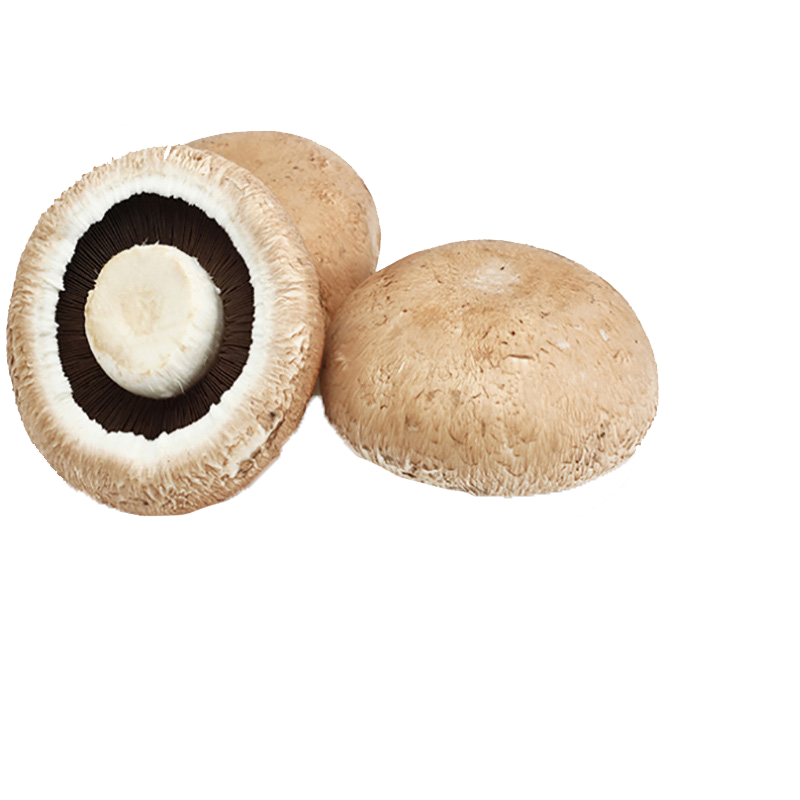
Standardizing Substrate for Uniform Portobello Fruiting
Sterilization and Pasteurization Protocols to Eliminate Pathogens Without Compromising Microbial Balance
Effective substrate preparation hinges on eliminating pathogens while preserving beneficial microbial communities that support robust mycelial colonization. Pasteurization at 60–70°C for 8–12 hours achieves this balance—reducing Trichoderma and other contaminants without degrading cellulose or lignin structure. Unlike full sterilization, which eliminates all microbes, pasteurization selectively suppresses competitors while retaining native decomposers essential for nutrient cycling. Commercial operations applying this protocol report 15–30% lower crop loss from contamination-related failures, underscoring its role as a foundational quality control measure.
Optimizing Substrate Composition: Nitrogen, Lignin, and Moisture Ratios for Predictable Flushes
Substrate composition is the primary lever for achieving consistent fruiting across flushes. Precision in three key parameters directly governs morphological development, yield timing, and harvest uniformity:
| Component | Optimal Range | Function |
|---|---|---|
| Nitrogen | 1.5–2.5% | Supports mycelial biomass accumulation and timely pinhead initiation |
| Lignin | 18–22% | Provides structural integrity, slows decomposition, and enhances moisture retention |
| Moisture | 60–65% | Enables enzymatic activity, nutrient solubilization, and hyphal extension |
Deviations trigger predictable physiological responses: nitrogen >2.8% accelerates cap expansion and leads to premature opening; lignin <15% correlates with 40% longer stems and reduced cap thickness; moisture outside ±5% of target impairs flush synchrony. When calibrated together, these ratios reliably deliver 3–4 high-quality flushes per production cycle—critical for scheduling and labor planning in commercial facilities.
Controlling Humidity and Environmental Stress Across the Portobello Supply Chain
Targeting 85–92% RH During Transport and Retail to Prevent Shriveling, Slime, or Cap Cracking
Humidity control is the single most impactful post-harvest intervention for Portobello mushrooms. Maintaining 85–92% relative humidity (RH) throughout transport, cold storage, and retail display prevents three major quality failures: below 85% RH triggers rapid transpirational water loss—shriveling caps and toughening stems—while above 92% RH fosters bacterial slime (Pseudomonas tolaasii) and induces cap cracking via excessive turgor pressure. Refrigeration exacerbates the challenge by lowering air’s moisture-holding capacity, making passive packaging insufficient. Leading producers counter this with active solutions: moisture-buffering inserts in clamshells, ultrasonic humidification in staging rooms, and RH-sensing IoT loggers integrated into pallet-level monitoring systems. These measures collectively reduce humidity-driven post-harvest losses by up to 23%, as validated by USDA-ARS post-harvest trials.
Proactive Disease and Contamination Management in High-Volume Portobello Production
Maintaining consistency at scale requires shifting from reactive sanitation to proactive pathogen risk management. Continuous environmental monitoring—using air samplers and surface ATP swabs—enables early detection of Trichoderma, Lecanicillium, and bacterial blotch agents before visible symptoms emerge. Sanitation protocols must extend beyond surface disinfection to include HEPA-filtered airflow design, positive-pressure cleanrooms for spawning, and validated spore-trapping filters in exhaust systems. Integrating these controls within an HACCP framework allows growers to define critical limits—such as ≤10 CFU/m³ airborne spores during casing—and verify efficacy through routine substrate challenge testing. Water source validation, worker hygiene audits, and traceable harvest logs further close contamination vectors. This systemic approach not only prevents costly recalls but also strengthens brand trust by aligning with FDA Food Safety Modernization Act (FSMA) preventive control requirements.
FAQ
Q: What is the optimal temperature range for pasteurizing substrate?
A: The optimal temperature range for pasteurizing substrate is 60–70°C, and it should be maintained for 8–12 hours to eliminate pathogens while preserving beneficial microbes.
Q: How do nitrogen, lignin, and moisture levels affect Portobello mushroom growth?
A: Nitrogen supports mycelial biomass growth, lignin provides structural support and moisture retention, while moisture levels enable enzymatic activity and nutrient solubilization. Their precise ratios directly influence yields, cap shape, and harvest quality.
Q: What are the main post-harvest quality challenges for Portobello mushrooms?
A: The main post-harvest challenges include dehydration, slime formation caused by Pseudomonas tolaasii, and cap cracking due to improper humidity levels during transport and retail storage.
Q: How can contamination be prevented in commercial Portobello production?
A: Contamination prevention involves proactive measures such as continuous environmental monitoring, HEPA-filtered airflow systems, and implementing HACCP frameworks, along with thorough worker hygiene and water source validation.