 EN
EN

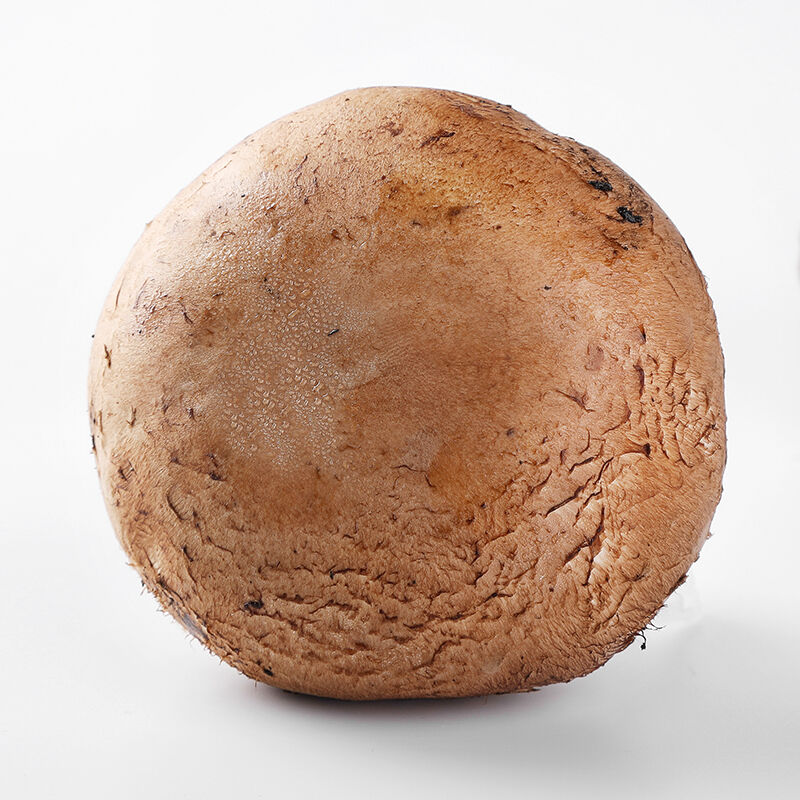
The Science Behind Portobello Spoilage: Why Moisture Is the #1 Enemy
Hygroscopic Nature of Portobello Mushrooms and Its Role in Rapid Quality Loss
Portobello mushrooms are highly hygroscopic—lacking a protective waxy cuticle, their porous capillaries absorb ambient moisture like sponges. This water uptake directly fuels enzymatic reactions, especially polyphenol oxidase (PPO), which degrades cell integrity within hours. When relative humidity exceeds 85%, Portobellos can absorb up to 7% of their weight in moisture in under 48 hours (Food Preservation Journal, 2023), triggering irreversible softening and collapse.
How Excess Moisture Drives Browning, Sliminess, and Microbial Growth
Trapped moisture initiates three interlinked spoilage pathways:
- Enzymatic browning: Water activates PPO, oxidizing phenolics into melanin pigments
- Structural breakdown: Hydration swells and ruptures cell walls, releasing cytoplasmic fluids that create slimy surfaces
- Pathogen proliferation: Elevated water activity (aw > 0.85) enables rapid growth of Pseudomonas and other spoilage bacteria—capable of doubling every 20 minutes under ideal conditions
Together, these mechanisms reduce shelf life by up to 80% compared to moisture-controlled storage.
Optimized Portobello Packaging: Balancing Humidity Control and Gas Exchange
Why Microperforated Films Outperform Sealed Plastic for Portobello Respiration Management
Unlike sealed plastic—which traps ethylene and CO₂ and induces anaerobic stress—microperforated films enable precise gas exchange. They maintain 3–5% O₂ ingress while allowing excess moisture vapor to escape, sustaining respiration at optimal levels. This balance reduces weight loss from respiration by 18% versus non-permeable packaging and prevents the low-oxygen conditions that accelerate browning. Commercial trials confirm a 7-day freshness extension using calibrated microperforations over standard sealed bags.
Active Humidity Regulation: Silica Gel and Calcium Chloride Inserts in Commercial Portobello Packaging
Even modest temperature fluctuations—such as a 5°C swing during transit—can spike internal package humidity by up to 40%, promoting condensation. Desiccant inserts containing silica gel or calcium chloride actively adsorb this excess moisture, holding relative humidity within the narrow 85–90% range essential for Portobello quality. Field data shows these systems reduce slime formation by 62% and suppress microbial growth by stabilizing the microenvironment. Placed strategically in secondary packaging layers, they neutralize condensate before it contacts gills—preserving texture and appearance without direct contact.
Refrigerated Modified Atmosphere Packaging (MAP) for Maximum Portobello Shelf Life
Target MAP Gas Composition (3–5% O₂, 10–15% CO₂, Balance N₂) and Its Impact on Portobello Metabolism
Modified Atmosphere Packaging (MAP) extends shelf life by fine-tuning Portobello respiration. A gas blend of 3–5% O₂ limits polyphenol oxidase activation and oxidative browning; 10–15% CO₂ suppresses microbial growth and slows metabolic rate; nitrogen provides structural support without reactivity. This composition reduces respiration by up to 40% versus ambient air—delaying visible spoilage by 7–10 days. Critically, exceeding 5% O₂ triggers oxidative stress, while CO₂ above 15% induces cellular acidosis and off-flavors. A 2024 study in Agriculture and Food Chemistry confirmed that Portobellos stored under this optimized MAP retained 89% more firmness and showed 75% less surface browning after 14 days than air-packed controls—while also inhibiting Pseudomonas spp. and other common spoilage organisms.
Structural Integrity: Protecting Portobello Mushrooms from Bruising and Condensation Damage
Physical damage during handling creates microtears that activate PPO and initiate localized browning—reducing marketability before microbial spoilage even begins. Meanwhile, condensation forms when warm, humid air contacts cooler mushroom surfaces, creating ideal conditions for bacterial slime and mold within 24 hours. To counter both threats, commercial shippers use rigid containers with shock-absorbing foam inserts that protect caps while permitting airflow. Paired with silica gel desiccants to regulate humidity at 85–90%, this integrated physical protection system—when combined with refrigerated MAP—extends salable life by up to 5 days beyond basic container storage.
FAQ
What is the main cause of Portobello mushroom spoilage?
The main cause of Portobello mushroom spoilage is moisture absorption, which accelerates enzymatic reactions, structural breakdown, and microbial growth.
How do microperforated films improve Portobello packaging?
Microperforated films improve Portobello packaging by allowing precise gas exchange, balancing oxygen and moisture levels to enhance shelf life.
What role do desiccant inserts play in Portobello packaging?
Desiccant inserts, like silica gel and calcium chloride, absorb excess moisture, maintaining optimal humidity levels and protecting texture and appearance.
Table of Contents
- The Science Behind Portobello Spoilage: Why Moisture Is the #1 Enemy
- Optimized Portobello Packaging: Balancing Humidity Control and Gas Exchange
- Refrigerated Modified Atmosphere Packaging (MAP) for Maximum Portobello Shelf Life
- Structural Integrity: Protecting Portobello Mushrooms from Bruising and Condensation Damage
- FAQ