 EN
EN

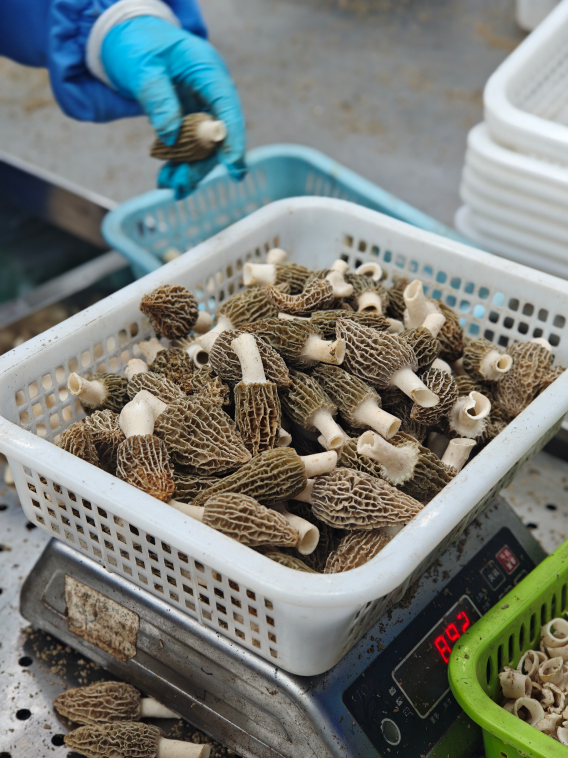
Harnessing Low-Temperature Dehydration to Preserve Morel Quality
Over my fifteen years managing commercial supply chains for specialty produce, I have seen firsthand how improper drying ruins high-value harvests within weeks. Traditional open-air sun drying leaves the delicate morel vulnerable to dust, erratic ambient humidity, and severe oxidation. During an operational audit at a European regional distribution center three years ago, nearly twenty percent of an incoming shipment was rejected due to uneven moisture content and subtle mold growth. Our team resolved this issue by transitioning directly to low-temperature heat-pump dehydration protocols specifically engineered for wild and cultivated mushrooms. Operating at steady temperatures between forty and forty-five degrees Celsius removes water gradually without scorching the outer ridges or compromising the rich, nutty aroma of the fresh cap. Implementing controlled multi-stage airflow ensures that every single morel shrinks uniformly while locking in its distinct dark pigmentation and complex natural flavor profile. International buyers purchasing dried morel batches from dedicated processing facilities gain a reliable, stable product that drastically reduces transit risk, eliminates seasonal wastage, and arrives in optimal condition for commercial food service and retail distribution networks.
Critical Parameters for Industrial Morel Dehydration and Moisture Control
Achieving commercial shelf stability for dried fungi requires strict adherence to precise moisture thresholds and rigorous quality control protocols. In my technical assessments of processing facilities, I always emphasize that the moisture content of a finished dried morel must remain below ten to twelve percent to prevent bacterial proliferation and enzymic degradation. Research published by agricultural post-harvest research institutes confirms that maintaining low water activity is the single most effective way to arrest cellular respiration and inhibit fungal spoilages over extended warehousing periods. High-standard facilities utilize automated moisture meters and multi-pass sorting belts to screen every processed lot before packaging. Applying gentle, uniform heat preserves the structural elasticity of the honeycomb ridges, allowing the dehydrated morel to rehydrate rapidly in warm water without turning mushy or losing its characteristic firm texture. For wholesale importers and food manufacturers, sourcing a dried morel that adheres strictly to these technical drying parameters eliminates costly product rejections, simplifies inventory management, and provides total confidence across long-distance ocean shipping routes and multi-year retail display cycles.
Protecting Aromatic Compounds and Nutrient Density in Processed Morel Batches
Dehydration is not merely about water removal; it is an exact thermal science focused on preserving volatile aromatic compounds and critical nutritional elements. Executive chefs and food science researchers agree that the distinctive, savory umami taste of a dried morel becomes even more concentrated than its fresh counterpart when thermal processing is executed correctly. Exposure to excessive heat during drying degrades thermal-sensitive vitamins, denatures natural proteins, and destroys essential terpenes responsible for the fungus's prized earthy fragrance. Our primary manufacturing partners employ advanced vacuum drying and low-temperature air-circulation chambers designed to strip away moisture while shielding delicate biochemical structures. This careful processing ensures that when a food service professional or industrial food manufacturer rehydrates the premium dried morel, the resulting broth is rich, aromatic, and free from bitter burnt notes. By aligning your procurement strategy with processing specialists who prioritize biochemical preservation, your organization secures a premium dried morel line that elevates high-end cuisine, meets strict international health standards, and delivers uncompromised sensory satisfaction to discerning global consumers.
Modern Packaging Innovations and Environmental Barrier Controls
Even the most scientifically dried harvest will rapidly absorb atmospheric moisture if the secondary packaging fails to provide an absolute barrier against humidity and oxygen. Throughout my career auditing global distribution logistics, I have frequently observed how standard carton packaging allows ambient moisture to penetrate stored goods, causing severe flavor loss and premature texture softening. To solve this challenge, modern packaging lines utilize multi-layer barrier bags, nitrogen flushing, and active desiccant inserts designed to create an inert internal environment for every packed dried morel shipment. Agricultural post-harvest specialists emphasize that controlling internal oxygen levels prevents the oxidation of natural fats within the mushroom tissue, thereby extending overall shelf life beyond twenty-four months. Furthermore, utilizing rigid, protective outer master cases prevents physical crushing of fragile honeycomb caps during high-density container stacking and long-haul transport. When commercial importers purchase a dried morel packaged under these rigorous environmental control protocols, they receive guaranteed long-term shelf stability, preserved structural integrity, and maximum visual appeal for retail shelves and commercial kitchen inventories alike.
Strategic Procurement Advantages with Certified Morel Manufacturing Partners
Establishing a long-term supply pipeline with a specialized produce manufacturer is a vital strategic investment for commercial buyers aiming to insulate their operations against market volatility. Sourcing directly from an established processor with integrated collection, drying, and packing facilities eliminates middleman markup while guaranteeing consistent quality grading across every bulk order. Throughout years of managing commercial sourcing relationships, I have consistently found that integrated processors offer valuable flexibility, providing custom sizing, private-label packaging, and tailored specifications for diverse culinary and industrial applications. A trustworthy exporter continuously invests in state-of-the-art optical sorting, food safety management systems, and transparent traceability from forest harvest to final export clearance. Partnering with a dedicated manufacturer committed to advanced drying technology and rigorous quality control ensures that your business receives a clean, uniform, and premium dried morel product year-round. By securing your supply through a proven specialist, your enterprise establishes a resilient, highly profitable procurement framework capable of satisfying demanding global buyers across every commercial distribution channel.
Table of Contents
- Harnessing Low-Temperature Dehydration to Preserve Morel Quality
- Critical Parameters for Industrial Morel Dehydration and Moisture Control
- Protecting Aromatic Compounds and Nutrient Density in Processed Morel Batches
- Modern Packaging Innovations and Environmental Barrier Controls
- Strategic Procurement Advantages with Certified Morel Manufacturing Partners