 EN
EN

Integrating Premium Morel Varieties into Fine Dining Protocols
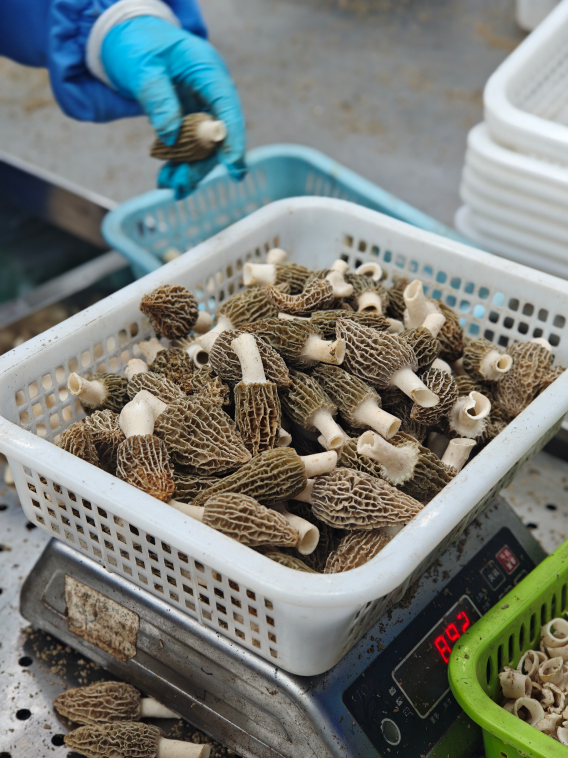
Over my fifteen years advising executive chefs and hospitality groups on high-end ingredient sourcing, I have watched the earthy, complex profile of the wild and cultivated morel transform seasonal menus from simple culinary offerings into memorable dining experiences. During a spring menu overhaul for a European restaurant group two years ago, we faced significant challenges maintaining dish consistency due to variable moisture levels in raw produce. By transitioning to meticulously sorted, commercially dried morel stocks, the kitchen team eliminated prep bottlenecking while achieving an extraordinarily rich, concentrated umami base for traditional reduction sauces. A fresh or properly rehydrated morel features a distinct honeycomb cap structure that absorbs complex pan juices, making it an invaluable center-of-plate focal point for roasted meats, delicate poultry, and elevated vegetarian creations. Restaurant buyers often struggle with seasonal availability and volatile pricing, yet partnering directly with specialized processing operations guarantees consistent grading, uniform cap dimensions, and clean interior chambers. Incorporating high-grade morel batches into signature pasta dishes, veloutés, and seasonal tasting menus allows culinary directors to justify premium menu positioning while delivering an authentic, earth-forward flavor profile that discerning restaurant guests consistently demand.
Commercial Scale Morel Applications for Industrial Food Processing
Expanding specialty ingredients into large-scale food manufacturing requires rigorous quality control standards, precise hydration metrics, and absolute physical uniformity. In my industrial consulting work with frozen meal producers and specialty sauce manufacturers, integrating a dried or quick-frozen morel component requires calculating exact volume yield and thermal stability during retorting or automated pasteurization. Leading food science institutes emphasize that the volatile aromatic compounds within the dried morel survive thermal processing exceptionally well when the initial dehydration process is executed under low-temperature, high-airflow conditions. For industrial soup lines, gourmet sauce packaging, and ready-to-eat luxury entrees, utilizing standardized morel dice or selected whole caps prevents mechanical clogging in automated filling lines and ensures exact piece counts per packaging unit. Primary processing facilities that enforce strict optical sorting, thorough air-cleaning protocols, and stringent moisture testing allow food manufacturers to bypass raw ingredient washing and manual trimming steps. By sourcing professionally processed morel ingredients built for automated manufacturing environments, product development teams achieve reliable flavor density, compliant microbiology counts, and predictable cost structures across multi-market commercial production runs.
Ensuring Quality Assurance and Culinary Performance Standards
Evaluating gourmet fungi for commercial kitchens and processing plants demands a structured quality assessment framework that moves beyond basic visual inspection. Throughout my career auditing produce packing operations, I always instruct quality managers to evaluate the stem-to-cap ratio, total hydration potential, and particle cleanliness of every incoming morel lot. An ideal commercial dried morel should possess an intact, hollow cap, a clean light-to-dark brown coloration, and a moisture content maintained strictly below twelve percent to prevent degradation during storage. When rehydrated in warm liquid, a top-tier morel rapidly expands to its original size, releasing a fragrant, clear broth that serves as a secondary flavor driver for stocks and soups. Quality control teams must also demand verified phytosanitary documentation and full origin traceability to guarantee that every wild or cultivated morel batch complies with international food safety frameworks. Partnering with a dedicated processing manufacturer that utilizes advanced metal detection, foreign matter extraction, and strict climate-controlled warehouse storage ensures that food service buyers receive a pure, clean ingredient that performs flawlessly across both high-heat sautéing and low-temp immersion cooking techniques.
Optimizing Storage Operations and Moisture Control Infrastructure
Sustaining the sensory characteristics and structural integrity of gourmet fungi over extended commercial lifecycles requires specialized storage infrastructure and precise climate control protocols. Research from agricultural extension specialists confirms that exposure to fluctuating ambient humidity rapidly degrades the delicate cellular structure of a dried morel, leading to flavor dissipation and premature oxidation. During an operational audit at a regional food distribution facility, we discovered that shifting to vacuum-sealed, multi-layer barrier packaging extended product shelf life significantly while preserving natural volatile aromas. High-capacity commercial distributors and food manufacturing facilities must store bulk morel inventories in temperature-monitored, low-humidity environments with controlled airflow to prevent condensation. Utilizing modified atmosphere packaging for fresh seasonal batches or nitrogen-purged foil bags for long-term dried stock protects fragile honeycomb ridges from crushing during transport and warehousing. By implementing continuous environmental monitoring from initial harvest through final warehouse distribution, commercial sellers and procurement teams ensure that every morel batch retains its signature crisp texture, deep color profile, and superior culinary usability until it reaches the end user.
Strategic Procurement Models for Global Morel Supply Chains
Developing a resilient procurement strategy for specialty ingredients relies on building direct, transparent relationships with integrated agricultural processors and forest collection specialists. Because wild morel harvests depend heavily on regional weather patterns and seasonal forest dynamics, relying solely on spot-market purchasing exposes food service operators and manufacturers to severe supply shortages and unpredictable cost spikes. Throughout my years managing global produce procurement networks, I have consistently seen how multi-region sourcing agreements and advance contract pricing insulate commercial buyers from seasonal market volatility. Working closely with an experienced grower and exporter allows food buyers to secure dedicated volume allocations for both fresh seasonal caps and year-round dried morel formats. Top-tier manufacturers provide flexible packaging configurations, customized size grading, and private label support tailored to distinct wholesale, retail, and industrial specifications. Aligning your procurement pipeline with an established, quality-focused industry leader ensures reliable order fulfillment, total regulatory compliance, and a competitive market advantage when sourcing high-grade morel products for fine dining networks and food manufacturing enterprises.
Table of Contents
- Integrating Premium Morel Varieties into Fine Dining Protocols
- Commercial Scale Morel Applications for Industrial Food Processing
- Ensuring Quality Assurance and Culinary Performance Standards
- Optimizing Storage Operations and Moisture Control Infrastructure
- Strategic Procurement Models for Global Morel Supply Chains