 EN
EN

Navigating Seasonal Supply and Quality Variances in Wild Morel Procurement
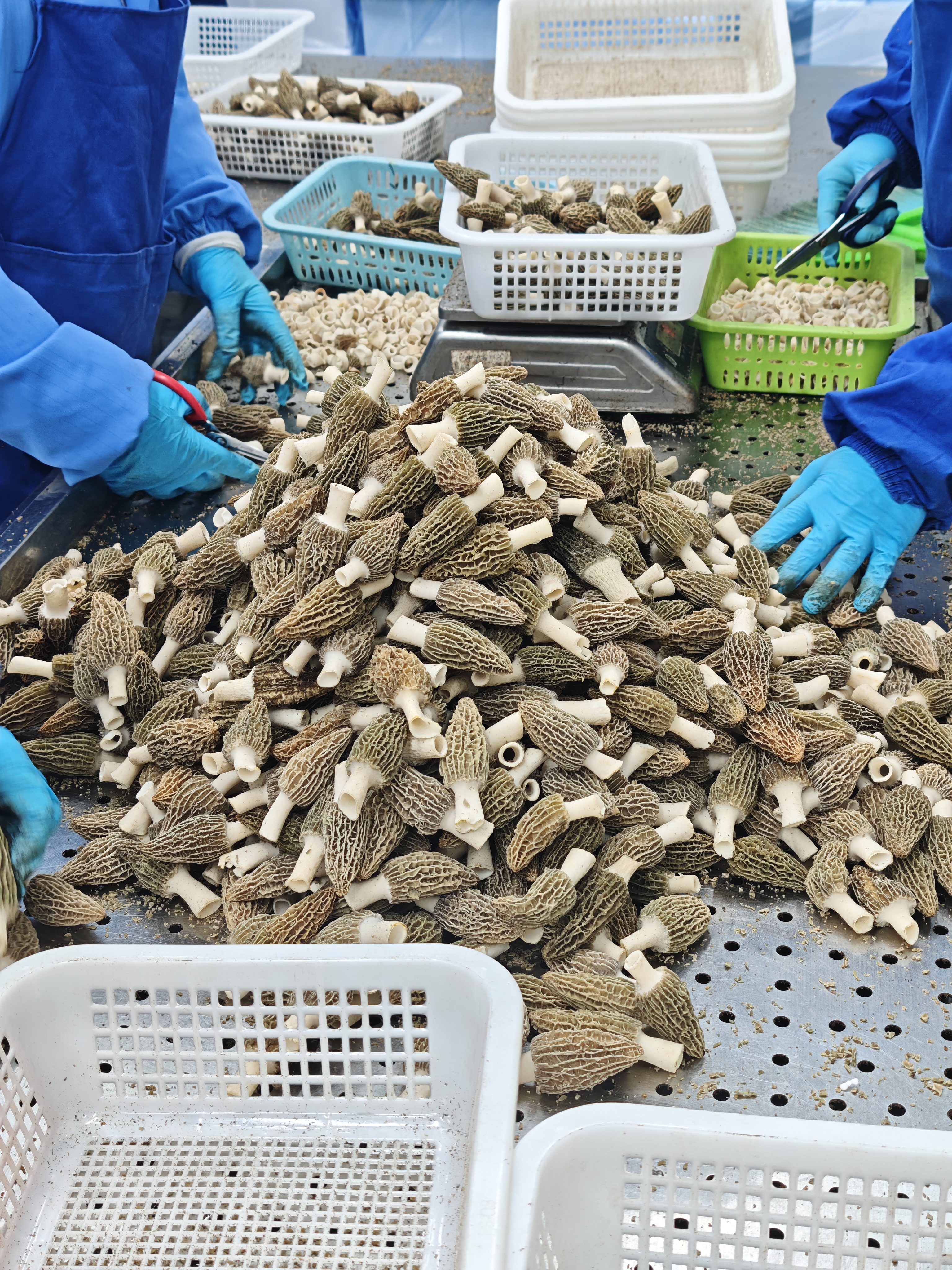
Throughout my two decades managing specialty produce sourcing for international distributors, I have found that securing consistent, premium quality wild morel shipments remains one of the most complex challenges in global food logistics. Unlike cultivated varieties, wild harvested fungi depend heavily on shifting microclimates, forest soil conditions, and rapid seasonal transitions. During a major spring procurement campaign three years ago, unexpected rainfall across key harvesting zones led to severe moisture degradation in transit for several unprepared buyers. Our procurement strategy avoided these costly losses because we partnered with dedicated morel processors who understand the crucial timing required for post-harvest handling. A superior morel must feature an intact honeycomb cap, minimal sand accumulation, and a firm, hollow stem structure. When sourcing wild or cultivated morel crops at a commercial scale, international buyers need a reliable morel supplier who enforces immediate sorting and initial moisture control at regional collection centers. Partnering directly with an experienced packing facility that specializes in high-end wild fungi ensures that every bulk morel batch arrives with optimal aroma, clean visual presentation, and structural integrity intact.
Critical Grading Parameters and Moisture Thresholds for Commercial Morel Batches
Evaluating fresh, dried, or frozen morel shipments requires strict physical quality criteria that extend far beyond simple color preferences. In my routine facility audits and quality assessments, I always instruct quality control inspectors to carefully measure internal morel cap cleanliness, stem-to-cap ratios, and total morel moisture content. The ideal dried morel should maintain a moisture level below twelve percent to prevent mold proliferation and preserve its complex, earthy flavor profile during extended sea freight. According to studies published by mycological research institutes, excessive ambient humidity during storage rapidly degrades the distinctive aromatic compounds that give the premium morel its high market value. High-standard collection facilities utilize low-temperature dehydration technology and automated sorting lines to separate prime whole morel caps from broken fragments. When reviewing specifications for commercial fresh morel imports, buyers must insist on rigorous phytosanitary inspections, clear origin tracking, and strict morel size classification. Our direct supply partners utilize advanced cleaning protocols to remove forest debris while protecting the delicate ridges of each individual morel, guaranteeing a clean product that minimizes kitchen prep time for end-user chefs.
Advanced Cold Chain Engineering and Dehydration Standards for Morel Preservation
Even a perfectly harvested fresh morel will lose its market value in less than forty-eight hours if the cold chain experiences the slightest temperature spike. Research from agricultural post-harvest specialists confirms that keeping fresh morel inventory at a precise temperature between one and three degrees Celsius is essential to slow down cellular respiration and prevent tissue softening. During a comprehensive supply chain review with our logistics team, we implemented specialized modified atmosphere packaging and breathable liners that control internal condensation during morel transit. For clients preferring long-term storage stability, utilizing premium dried morel stock offers superior flexibility without sacrificing culinary performance. Dehydrated morel products require precise temperature-controlled rehydration testing prior to shipment release to verify that the rehydrated morel achieves natural texture and volume expansion. By utilizing state-of-the-art climate chamber storage and rapid vacuum packaging systems, our primary processing facilities ensure that both fresh and dried morel shipments maintain exceptional flavor concentration, long shelf life, and total stability across long-distance export routes.
Synchronizing Global Supply Chains with Morel Harvest Cycles and Forecasting
Sustaining a reliable supply of specialty mushrooms for hotel chains, upscale restaurants, and food manufacturers demands synchronized forecasting between buyers and forest sourcing networks. Because wild morel availability fluctuates based on geographical harvests and seasonal rain patterns, establishing long-term volume allocations with verified export partners prevents sudden supply disruptions. Throughout my career in food logistics, I have seen how transparent communication regarding seasonal morel demand peaks and promotional schedules protects buyers from extreme price surges. Working with an experienced morel supplier that maintains multiple harvesting concessions and modern dehydration facilities allows commercial importers to lock in multi-ton fresh or dried morel orders at predictable contractual rates. Modern morel supply chain management benefits greatly from real-time shipment tracking, standardized export packaging, and flexible pallet configurations. Having full visibility into harvest timestamps and processing stages enables warehouse managers to streamline stock rotation and ensure immediate order fulfillment. By aligning your procurement strategy with an established supplier capable of handling large-scale morel demand, your distribution network maintains a distinct competitive edge throughout the entire commercial season.
Building Long-Term Value with Certified Morel Processing Specialists
Selecting a qualified specialized producer for your gourmet morel portfolio is a long-term investment in brand reputation, regulatory compliance, and customer satisfaction. Top-tier exporters do much more than supply raw ingredients; they provide complete regulatory documentation, custom packaging formats, and expert technical guidance on product applications. Years of managing commercial produce networks have shown me that direct relationships with verified growers and primary processors eliminate unnecessary middleman margins and guarantee consistent morel grading across every shipment. A dependable morel partner continuously invests in food safety management systems, modern optical sorting machines, and sustainable harvesting practices that protect wild forest ecosystems for future yield. Whether you require premium whole dried morel packages for luxury retail shelves, quick-frozen options for industrial meal preparation, or fresh seasonal crates for high-end food service, collaborating with a dedicated industry manufacturer ensures unmatched quality assurance. By forming a strategic partnership with an experienced morel specialist committed to strict quality standards and transparent communication, you establish a resilient procurement pipeline for every high-grade morel requirement.
Table of Contents
- Navigating Seasonal Supply and Quality Variances in Wild Morel Procurement
- Critical Grading Parameters and Moisture Thresholds for Commercial Morel Batches
- Advanced Cold Chain Engineering and Dehydration Standards for Morel Preservation
- Synchronizing Global Supply Chains with Morel Harvest Cycles and Forecasting
- Building Long-Term Value with Certified Morel Processing Specialists