 EN

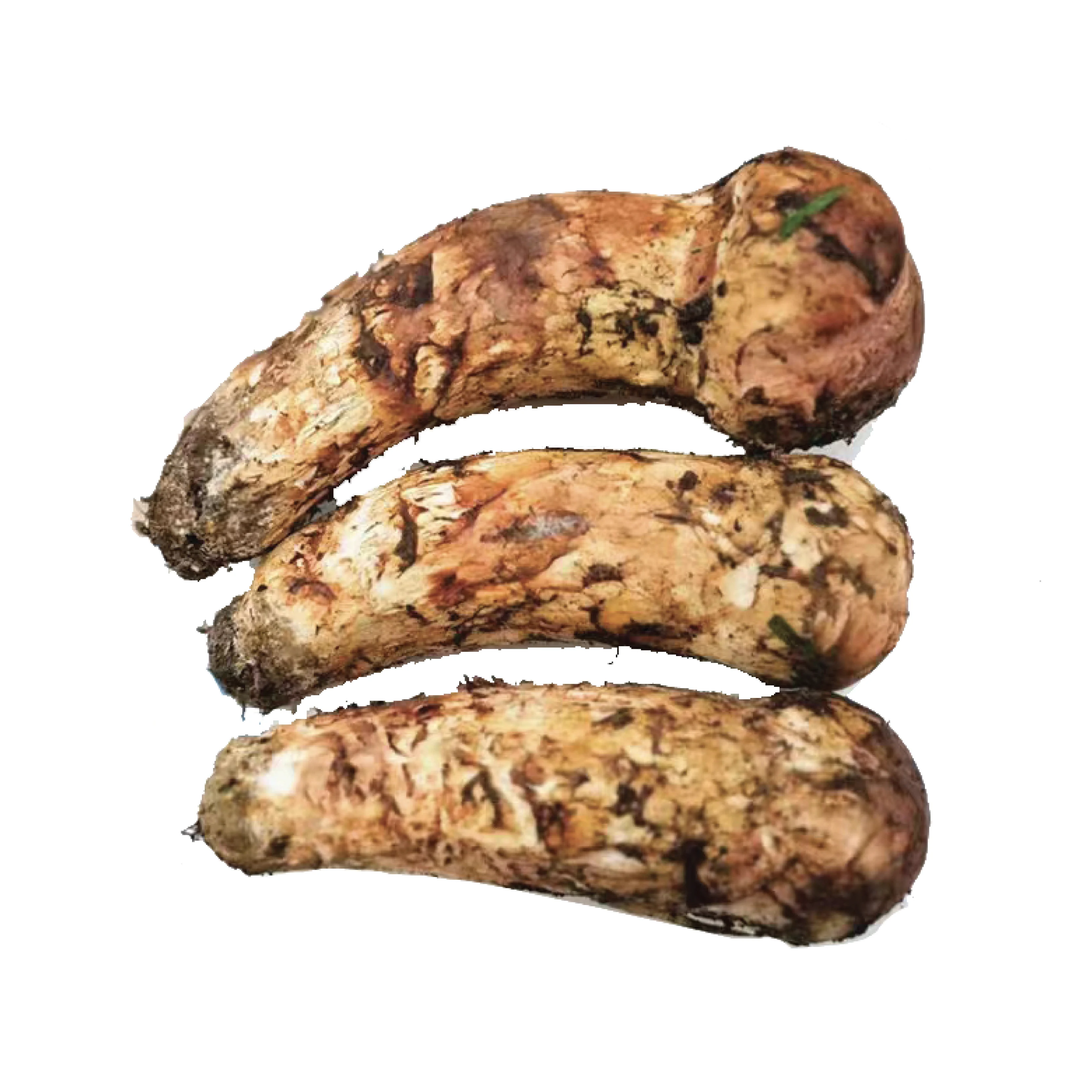
Key Freshness Indicators for Incoming Matsutake
Freshness assessment should begin the moment a shipment arrives. Importers should prioritize sensory checks before grading, because matsutake quality declines quickly after harvest. Two core checks—aroma and visual-tactile cues—provide the fastest, most reliable triage.
Aroma intensity and clean, spicy-sweet scent as the most reliable freshness signal
Aroma intensity is the strongest early indicator of matsutake freshness. Fresh matsutake should release a clean, spicy-sweet scent with notes of cinnamon, pine resin, and subtle earthiness—noticeable but not harsh, and deepening slightly when the stem is scratched or the cap edge lifted. Weak, flat, or absent aroma signals depletion of stored carbohydrates and volatile compounds. Musty, sour, or ammonia-like notes indicate bacterial or enzymatic breakdown and warrant immediate rejection or quarantine. Because aroma perception varies with temperature, importers should evaluate mushrooms only after cartons have rested at 2–4 °C for 20–30 minutes—not cold-soaked or wet—to avoid masking early spoilage. For high-value lots, a small cut-stem sniff test can reveal internal decay invisible to exterior inspection.
Visual-tactile assessment: cap integrity, gill color, stem firmness, and absence of browning or slime
Visual-tactile checks confirm what aroma suggests. Caps should have intact margins; unopened or slightly curved caps are preferred, while cracked, flattened, or insect-damaged ones point to mishandling or age. Gills must be white to cream and tightly closed—dark, moist, or externally visible gills mean the mushroom is past prime. Stems should feel firm, heavy, and slightly moist—not soft, hollow, or spongy. A gloved finger run along the stem surface should detect no slime, sticky film, or excessive weeping. Browning at the cut base or cap rim can appear within hours of temperature abuse, so importers must sample multiple layers and carton positions—not just top trays. Early detection of texture changes helps isolate weak lots before cold-chain issues spread through consolidated shipments.
Matsutake Grading Standards and Origin-Specific Quality Profiles
Grade A vs. B criteria: unopened caps, stem length-to-diameter ratio, and market-grade implications
Grade A matsutake must have fully closed, unopened caps and a firm, evenly tapered stem with a balanced length-to-diameter ratio. Grade B may show slight cap expansion, minor curvature, or small bruises. These distinctions carry serious market implications: unopened caps preserve aromatic compounds and moisture, directing A-grade mushrooms into premium fresh retail and high-end restaurant channels. B-grade product is better suited to trimming, cooking, freezing, or processing. Importers should request grading sheets and reject any lot where more than 5–10% of caps show visible gill exposure—once the veil breaks, respiration rises sharply and shelf life shortens.
Japanese, Korean, Chinese, and North American matsutake: aroma potency, size consistency, and traceability impact
Origin affects more than price. Japanese matsutake typically offers the most intense spicy-sweet aroma and strictest size grading—but limited supply raises cost. Korean product often tracks Japanese standards with slightly milder fragrance. Chinese matsutake shows wider variability in cap closure and moisture content, making lot-level inspection essential. North American matsutake delivers larger, more uniform sizes and strong harvest-date tracking, though its aroma tends to be earthier and less pungent. Buyers can thus choose premium aroma for raw preparations—or size consistency and traceability for bulk cooking—without compromise.
| Origin | Aroma potency | Size consistency | Traceability impact |
|---|---|---|---|
| Japan | Very high, spicy-sweet | High | Strong domestic lot codes |
| Korea | High | High | Good export documentation |
| China | Moderate to variable | Moderate | Requires supplier audit |
| North America | Moderate, earthy-sweet | Very high | Strong harvest-date tracking |
Cold-Chain Integrity and Perishability Management for Matsutake
Respiration rate, moisture loss, and temperature sensitivity: why matsutake degrades faster than other gourmet mushrooms
Matsutake respires rapidly after harvest, consuming stored sugars and generating heat—accelerating moisture loss through the cap and stem surface, which drives weight loss and texture breakdown. At temperatures above 10°C (50°F), enzymatic browning and microbial activity increase sharply. Unlike shiitake or oyster mushrooms, matsutake has a thin outer veil and high initial water content, so even brief warm holding can trigger slime, off-aroma, and premature cap opening. Keeping shipments at 0–2°C with high humidity slows deterioration but does not stop it. Visible condensation inside packaging is a red flag—often signaling prior cold-chain failure. Frequent temperature monitoring during transit and receiving remains non-negotiable.
Breathable Packaging Solutions Optimized for Matsutake Preservation
Micro-perforated film vs. vented clamshells: balancing O₂/CO₂ exchange and condensation control
Micro-perforated film maintains a tighter modified atmosphere for fresh matsutake, enabling controlled O₂ ingress and CO₂ venting while limiting free water accumulation. Vented clamshells offer higher airflow but often accelerate weight loss and cap drying. Research published in Food Packaging and Shelf Life (2022) found that biodegradable PBAT/PLA film reduced condensation and slowed respiration, extending shiitake shelf life by 4–6 days versus LDPE—findings directly applicable to matsutake’s similar physiology. For optimal preservation, micro-perforated high-composite breathable film paired with rapid pre-cooling better retains aroma and firmness than open-vent clamshells.
FAQ
What are the key freshness indicators for matsutake mushrooms?
Two key indicators are aroma intensity, which should be spicy-sweet, and visual-tactile cues, such as intact caps, firm stems, and white-to-cream gills.
How should matsutake mushrooms be graded?
Grade A matsutake have unopened caps and consistent stem structure, while Grade B is suited for cooking and processing due to minor imperfections.
How does the origin of matsutake affect its quality?
Japanese matsutake are known for intense aroma, while North American ones excel in size consistency. Korean and Chinese matsutake vary in these qualities.
Why is cold-chain integrity crucial for matsutake?
The mushrooms are highly perishable due to rapid respiration and moisture loss. Maintaining temperatures of 0–2°C and high humidity is vital.
What packaging solutions work best for matsutake preservation?
Micro-perforated films provide effective O₂/CO₂ balance and condensation control, making them ideal for retaining matsutake freshness.