 EN
EN

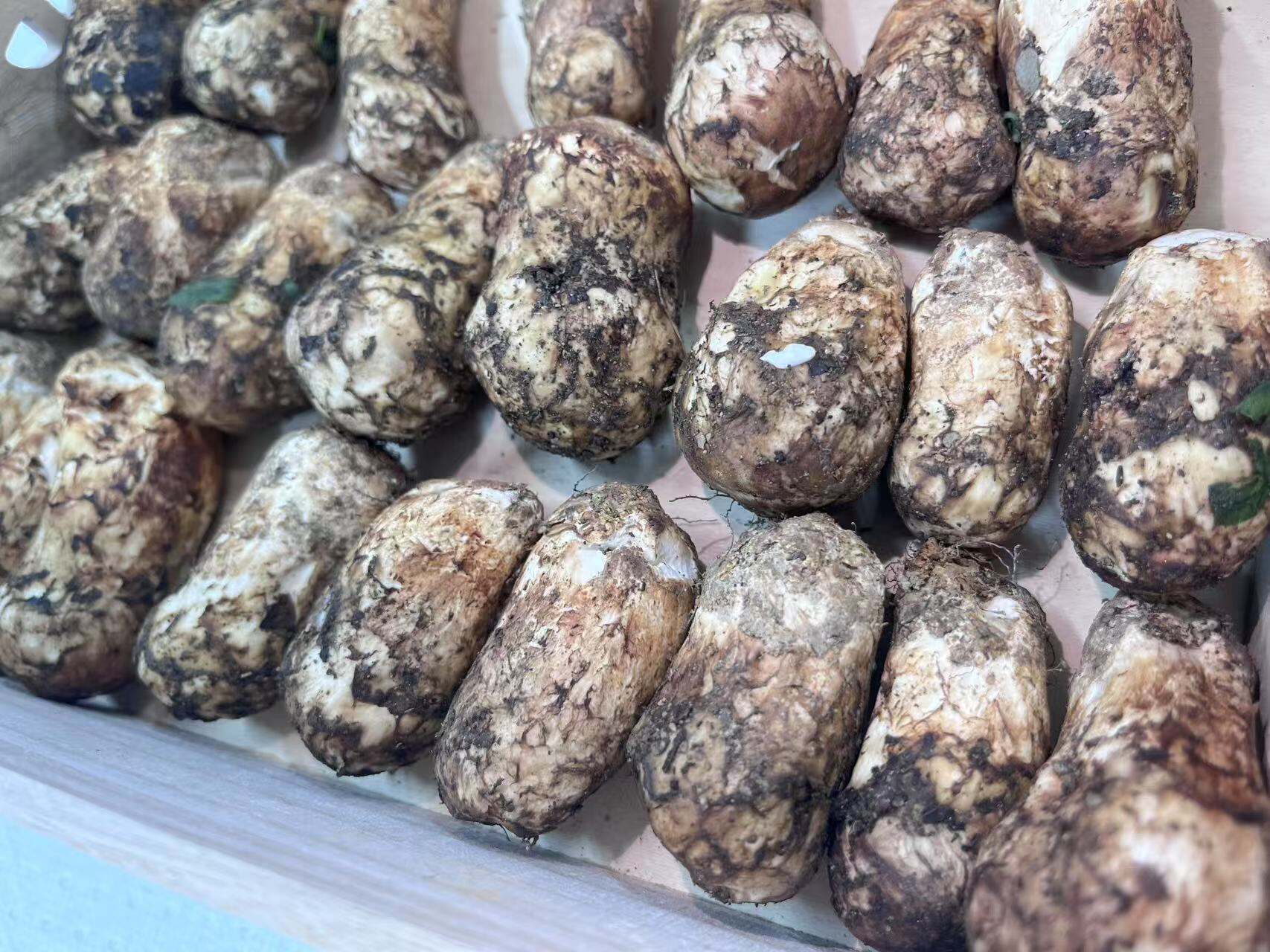
Why Matsutake Demands a Zero-Compromise Cold Chain
The 48-hour enzymatic degradation window and irreversible aroma loss at ambient temperatures
Once picked, matsutake mushrooms start breaking down pretty fast if left at room temperature for more than two days. Studies show something interesting happens too – every hour past 4 degrees Celsius makes the enzyme activity jump by around 40%. This speeds up how cells break apart and basically ruins what makes matsutakes smell so good, especially those piney notes from compounds like 1-octen-3-ol and methyl cinnamate. When temps go over 5 degrees, things get even worse. The mushroom goes through changes in its metabolism that permanently damage these aromatic molecules. Scientists have looked into this quite a bit, but we all know that fresh is best when it comes to enjoying these prized fungi.
Texture softening, browning, and microbial spoilage risks without continuous 2°C control
Consistent refrigeration at 2°C is critical to prevent three interrelated quality failures:
- Texture degradation: Pectinolytic enzyme activation causes cellular collapse, increasing firmness loss by 78% at 8°C versus 2°C conditions
- Enzymatic browning: Polyphenol oxidase activity surges 300% at 10°C, triggering melanin formation and surface discoloration
- Pathogen proliferation: Pseudomonas spp. populations double every 3 hours at 7°C—posing both sensory and food safety risks
Matsutake stored at 2°C maintains 94% sensory quality after 15 days, compared to just 23% at 8°C. This narrow thermal tolerance underscores why uninterrupted cold chain integrity—from forest floor to final destination—is non-negotiable.
End-to-End Cold Chain Execution: From Harvest to Hub
Pre-cooling protocols (0–2°C, <95% RH) validated for Matsutake by Japan Food Research Laboratories
Getting thermal management started within about 90 minutes after harvesting is really important for preserving quality. According to studies from Japan's Food Research Labs, Matsutake mushrooms need quick cooling down to around 0-2 degrees Celsius while maintaining over 95% humidity levels. This stops those enzymes from getting active and breaking down the cell walls. If we skip this crucial step, the mushrooms start losing moisture pretty fast, often exceeding 5% within just one hour. And once that happens, it ruins the delicate aroma compounds and makes the texture deteriorate much quicker than normal. So proper cold chain management right from the field makes all the difference in maintaining both flavor profile and physical characteristics during transportation.
Real-time IoT monitoring with ±0.3°C accuracy: preventing cold breaks during air transit
IoT sensors keep tabs on core temperatures during flights with around +/- 0.3 degrees Celsius accuracy, spotting when things go over the 2 degree mark right away. When temperatures stay too high for more than 15 minutes straight, something called ergosterol drops by about 19 percent based on tests done under controlled conditions. This kind of constant watch lets staff jump in quickly whenever there are problems during loading/unloading or when planes sit on the ground longer than expected. What's really important here is that these small temperature changes add up over time and can ruin products in ways that just looking at them won't show.
Thermal Packaging and Distribution Integrity for Matsutake
Vacuum-sealed, PCM-lined insulated boxes extend thermal stability 3.2× vs. standard foam
Keeping products below 2 degrees Celsius throughout shipping remains a big challenge in today's logistics world. The latest vacuum sealed containers with PCM liners beat regular foam insulation by around three times when it comes to holding temperatures steady, according to recent field tests. These materials work because PCM soaks up sudden heat surges when there are delays, while the vacuum seal stops oxygen from getting in which would otherwise speed up browning reactions. When combined, these technologies give an extra 18 to maybe 26 hours before quality starts dropping off, helping maintain that fresh smell, original texture, and keeping harmful microbes at bay. Insulated boxes designed properly can tackle another problem too: condensation inside packages that leads to spoilage. Real world data shows about 41 percent fewer microbes grow in these advanced packages versus traditional ones, per Food Packaging Shelf Life research from last year. Logistics companies who switched to this system have seen their customers receive items after 48 hour journeys with nearly all the freshness intact, clocking in at roughly 97 percent retention rates.
Cold Chain Efficacy: Measuring Matsutake Freshness Beyond Surface Appearance
Ergosterol and trehalose retention: Sustained 2°C correlates with 37% higher antioxidant levels (J. Food Sci., 2023)
Looking at Matsutake mushrooms won't reveal the early signs of biochemical breakdown happening inside them. Two key markers for freshness are ergosterol, which helps keep cell membranes intact, and trehalose, nature's own protection against freezing damage and oxidative stress. Studies published in reputable journals indicate that when Matsutake stays consistently below 2 degrees Celsius, they maintain around 37 percent more antioxidants compared to samples exposed to just short temperature spikes during transport. Once these important compounds start breaking down above that threshold, the mushroom loses much of what makes it special: its intense flavor profile, authentic aroma characteristics, and valuable nutrients. Keeping these delicate components intact explains why maintaining strict temperature control throughout the supply chain matters so much. For chefs and food enthusiasts who prize Matsutake as a premium ingredient, this cold chain management isn't just about logistics anymore. It defines what truly distinguishes genuine Matsutake from inferior products on the market.
FAQ
Why is maintaining low temperatures crucial for matsutake mushrooms?
Low temperatures are essential to prevent enzymatic activity that can degrade matsutake's aroma and texture. Consistent refrigeration helps maintain the mushrooms' sensory quality by slowing down spoilage processes.
What role does humidity play in storing matsutake?
Humidity levels above 95% are vital when cooling matsutake to prevent rapid moisture loss, which can lead to deterioration of aroma and texture.
How do IoT sensors contribute to the cold chain for matsutake mushrooms?
IoT sensors provide real-time temperature monitoring with high accuracy, allowing for immediate action if temperatures exceed set thresholds, thus maintaining product quality during transit.
What benefits do vacuum-sealed, PCM-lined insulated boxes offer in matsutake transportation?
These packaging solutions extend thermal stability, protect aroma and texture, and reduce microorganism growth by maintaining consistent temperatures during shipping.
How is freshness in matsutake mushrooms measured beyond visual checks?
Freshness can be assessed through biochemical markers like ergosterol and trehalose, which indicate cell membrane integrity and antioxidant levels, correlating to the mushroom's quality during storage.
Table of Contents
- Why Matsutake Demands a Zero-Compromise Cold Chain
- End-to-End Cold Chain Execution: From Harvest to Hub
- Thermal Packaging and Distribution Integrity for Matsutake
- Cold Chain Efficacy: Measuring Matsutake Freshness Beyond Surface Appearance
-
FAQ
- Why is maintaining low temperatures crucial for matsutake mushrooms?
- What role does humidity play in storing matsutake?
- How do IoT sensors contribute to the cold chain for matsutake mushrooms?
- What benefits do vacuum-sealed, PCM-lined insulated boxes offer in matsutake transportation?
- How is freshness in matsutake mushrooms measured beyond visual checks?