 EN
EN
Quality Grading Standards for High-Grade Morel Mushroom
Cap Integrity, Uniform Shape, and Whole-Form Consistency as Core Visual Indicators
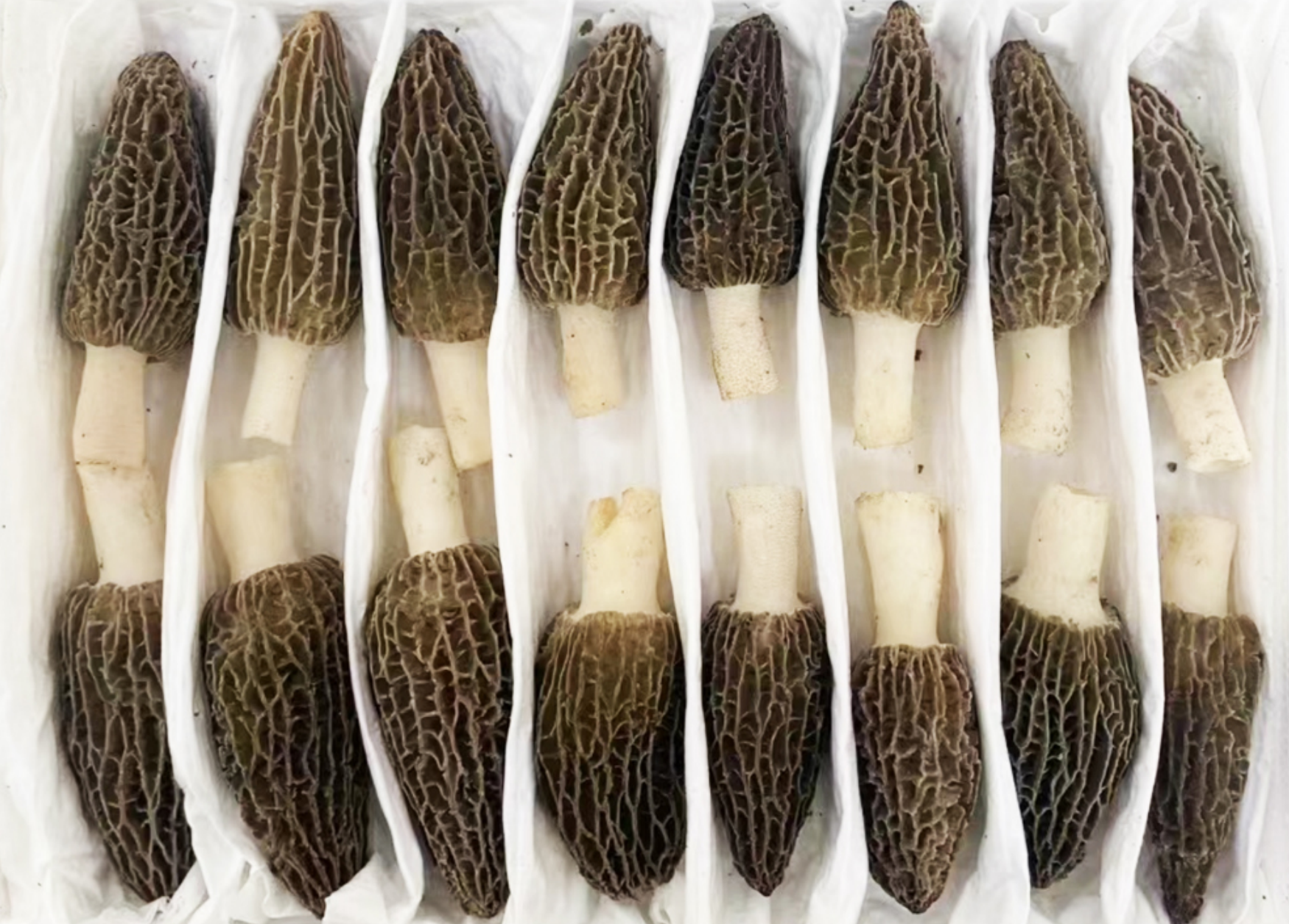
Premium-grade morel mushrooms are defined first by visual excellence. Rigorous inspection focuses on:
- Intact caps with undamaged, well-defined honeycomb structures—no tears, bruising, or flattening
- Uniform coloration, ranging from rich tan to deep brown without blotching, bleaching, or greenish tinges
- Consistent size, ideally 3–8 cm in height, ensuring predictable rehydration and culinary performance
- Zero insect boreholes, soil residue, or foreign matter lodged in crevices
Whole-form preservation is mandatory: fragmented, split, or partially collapsed specimens are disqualified from premium grading. As noted in the Food Grading Journal (2023), physical defects—including cap damage and size inconsistency—account for 23% of wholesale shipment rejections.
Optimal Moisture Content: Preserving Texture Without Compromising Shelf Life
Moisture control is the technical cornerstone of premium morel quality. A target range of 8–10% moisture content (±0.5% tolerance) delivers optimal functional and sensory outcomes:
- Crisp, resilient texture that rehydrates fully and evenly within 15–20 minutes
- Stable shelf life of up to 18 months when vacuum-sealed and stored cool/dark
- Intensified umami depth without musty or fermented off-notes
Deviations carry clear risks: moisture above 12% invites mold and bacterial growth; below 7%, specimens become excessively brittle and prone to fragmentation during handling. Modern commercial dryers now use infrared sensors for real-time calibration—cutting processing waste by 17% compared to legacy drying methods (Postharvest Technology Review, 2024).
| Grading Characteristic | Premium Grade | Commercial Grade |
|---|---|---|
| Cap Integrity | Zero damage, perfect honeycomb | Minor tears acceptable |
| Moisture Content | 8–10% (±0.5% tolerance) | 7–12% range |
| Size Uniformity | 85% within 3–8 cm range | 60% within 2–10 cm range |
Origin and Production Factors Defining Morel Mushroom Grade
Wild-Harvested vs. Controlled-Cultivation Morel Mushroom: Impact on Flavor, Density, and Market Premium
What makes wild morels so special? Well, they grow through those amazing partnerships between mushrooms and trees, especially hardwoods in natural forests. These connections let them soak up all sorts of compounds from the soil, which gives them that rich umami taste, deep earthy notes, and complex aromas nobody can quite replicate. No wonder chefs pay 30 to maybe even 50 percent extra for these wild gems in high-end restaurants. When mushroom hunters gather them by hand instead of using machines, the delicate caps stay intact most of the time. Mechanical harvesting tends to bruise or break the caps, something that simply doesn't happen as often when experienced foragers carefully pick each morel from the forest floor.
Morels grown under controlled conditions provide reliable supplies with consistent characteristics across density, color, and size. But growing them right demands pretty exact environmental conditions. Carbon dioxide needs to stay around 800-1000 parts per million, humidity must remain high at 85-95%, and temperatures need careful management too. The mycelium grows best between 18-22 degrees Celsius, then when it comes time to fruit, the temp drops to 10-15C while keeping relative humidity above 90%. Cultivated morels certainly hit all the marks for restaurant quality throughout the year. However, these lab-grown specimens just don't have the same complex mix of volatile compounds as their wild cousins. This difference shows up repeatedly in taste tests according to research published in the Journal of Food Science back in 2022.
Soil Health, Microclimate Control, and Organic Certification in Cultivated Morel Mushroom Grading
Cultivated morel quality begins underground. Ideal substrate pH sits between 5.5 and 7.0, enriched with calcium sources like food-grade gypsum to support robust stipe formation and cap expansion. Oxygen exchange is non-negotiable: CO₂ buildup beyond 1000 ppm directly causes malformed, “fused” or “buttoned” caps—rejectable under premium grading protocols.
Getting certified organic means going through extra hoops. The European Union has strict rules against synthetic pesticides altogether. Instead, farmers have to rely on natural alternatives like Steinernema feltiae nematodes to keep pests at bay. This whole approach isn't just about what gets sprayed or added to soil. It's really about following disciplined processes from start to finish. That attention to detail allows mushroom growers to cultivate those premium quality morels that restaurants want. These gourmet mushrooms need to look good and pass all sorts of inspections before they can make it onto plates around the world.
Food Safety, Traceability, and Compliance for Morel Mushroom Wholesale
Mandatory Pesticide Residue and Heavy Metal Testing for EU/US Market Access
Getting products into the European Union and United States markets depends heavily on proving they meet strict safety standards. For wholesalers, this means running tests at the batch level to check for pesticides and heavy metals like cadmium which has a maximum limit of 0.01 parts per million according to regulation EC No 1881/2006, plus lead, mercury, and arsenic before anything gets shipped out. The Food and Drug Administration in America sets similar limits through their Produce Safety regulations. How often these tests happen really depends on when crops are harvested and how risky the suppliers seem. Products from areas where there's been wild harvesting close to industrial sites need extra scrutiny obviously. When batches don't pass inspection, companies face all sorts of problems including getting rejected outright, having to pull products off shelves, or paying for expensive reprocessing work. These issues not only cost money but also damage customer confidence and eat into profit margins over time.
Vacuum-Sealing, Oxygen Absorbers, and Batch-Level Traceability in Packaging
Good packaging does two main things at once it protects product quality and makes tracking possible. When we use vacuum sealing along with those iron based oxygen absorbers, we keep moisture levels right around that sweet spot of 8 to 10 percent. This setup stops fats from going rancid and keeps bad bacteria away. Every package needs its own special batch number though. These numbers connect back to all sorts of important records where did the crop come from, when was it harvested, what were the soil conditions like, did they test for pesticides, and how long did they dry it out? All this info matters for anyone wanting to know exactly what they're getting in their hands.
Digital traceability systems, particularly ones built on blockchain technology, make audits much easier and help companies react faster when there's a food safety issue. According to research published last year in the Food Safety Journal, companies that track products from farm to table see about a 40% drop in rejected imports. What used to be nice features like keeping things sealed tight during transport, maintaining stable temperatures, and having records that can be checked are now just basic expectations if a business wants to sell in bulk markets these days.
Commercial Readiness: Sourcing, Pricing, and Distribution Strategy for High-Grade Morel Mushroom
Getting reliable sources going really depends on building good relationships. Think about it this way: certified mushroom hunters who work in areas where nature is still healthy like those big forests in the Pacific Northwest or the foothills of the Himalayas bring in wild morels during their prime season from around April through June. At the same time, working with special farms under contract makes sure there's always something available throughout the year, and what comes out meets quality standards as an organic product. But here's the catch, both these approaches need careful checking. It's not enough to look at how much they produce. We have to make sure they follow proper ways of sorting, drying, and keeping records too. The whole process matters if we want to maintain consistency and trustworthiness in our supply chain.
Pricing reflects objective quality markers. Whole, intact caps sized 3–5 cm command 25–30% higher margins than fragments or irregulars. Bulk buyers pay $120–$180/kg for Grade A wild-harvested morels; cultivated equivalents average $90–$140/kg—reflecting lower input volatility but also narrower flavor and textural differentiation.
Distribution demands precision:
- Vacuum-sealed units with oxygen absorbers preserve moisture integrity
- Reefer transport maintained at 2–4°C prevents texture degradation and microbial bloom
- Blockchain-enabled batch tracking validates origin, handling, and compliance across the chain
Traceability isn’t optional—it’s operational infrastructure. Suppliers who embed harvest dates, soil health metrics, and contaminant test results into every shipment strengthen buyer confidence and de-risk regulatory exposure. Aligning net-30 payment terms with these verified quality investments ensures sustainable, resilient supply chain partnerships.
FAQ Section
What are the key visual indicators for high-grade morel mushrooms?
High-grade morel mushrooms are defined by intact caps, uniform coloration, consistent size, and absence of insect boreholes or foreign matter.
Why is moisture content crucial for preserving morel mushrooms?
Moisture content between 8-10% ensures optimal texture, longevity, and intensified umami flavor while mitigating risks like mold and brittleness.
What distinguishes wild-harvested from cultivated morel mushrooms?
Wild morels have richer umami and complex aromas due to natural growth conditions, while cultivated morels offer consistency but lack these natural compounds.
How does traceability benefit morel mushroom wholesalers?
Traceability helps ensure quality, compliance, and faster reactions to food safety issues, thereby reducing rejected imports and building customer confidence.