 EN
EN
Morel Mushroom Quality Evaluation Criteria for Processing
Texture and Structural Integrity: Firmness, Honeycomb Uniformity, and Stem Hollowness
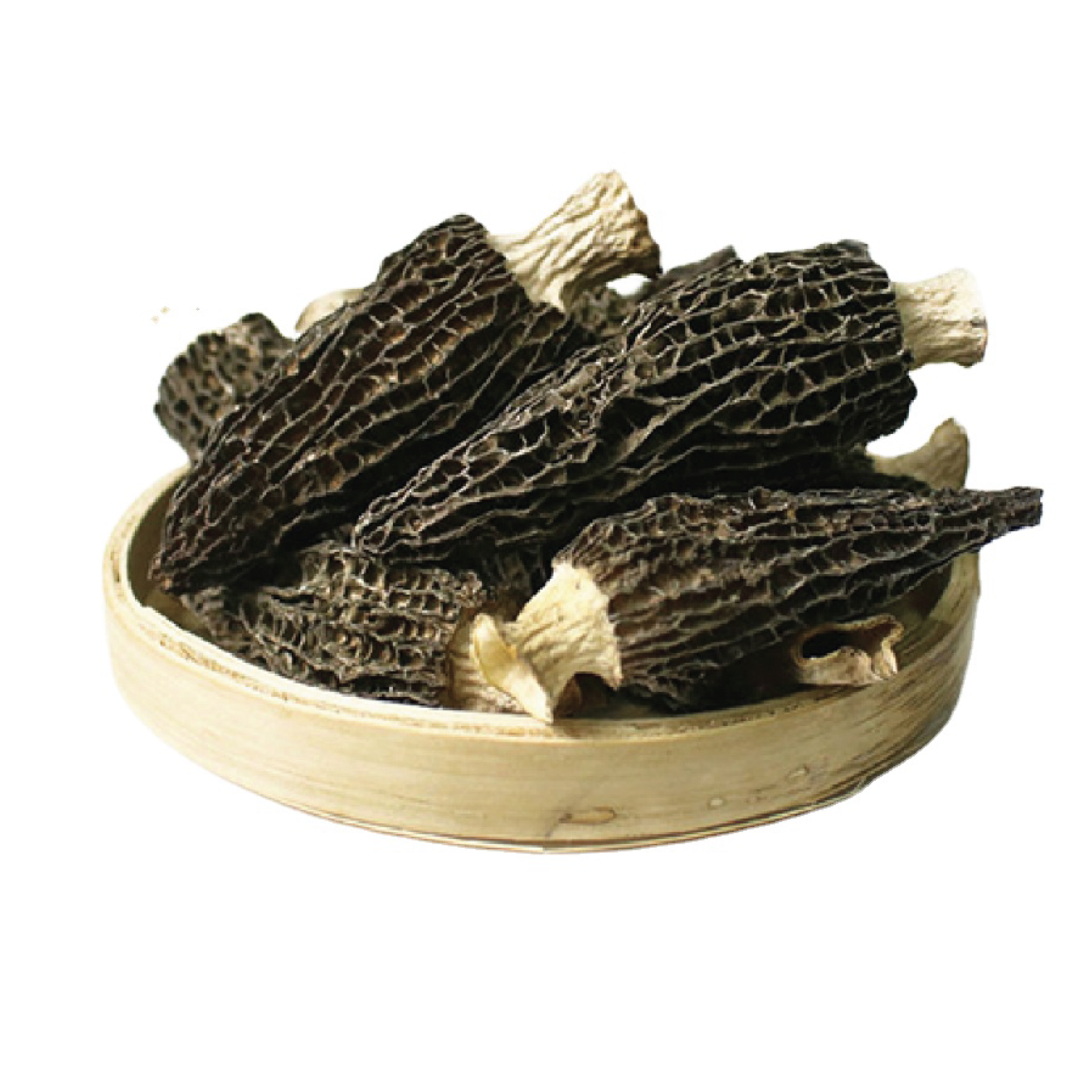
When buying morels, processors really care about how solid they are. A firm texture means fresh mushrooms while those that feel soft or give way under pressure usually have gone bad or weren't dried properly. The pattern on the cap matters too because uneven honeycombs can hold onto dirt, soil particles, and bacteria. This not only makes less of the mushroom usable but also raises the chances of contamination. Mushroom stems that are hollow inside by more than 30% (which happens a lot with older specimens) tend to fall apart during cooking processes and when being sliced. According to recent checks across the industry, almost seven out of ten rejected shipments come down to these kinds of structural problems. That's why most companies now insist on proper touch tests when purchasing large quantities of morels.
Aroma, Color, and Visual Purity: Assessing Freshness and Contamination Risks
Fresh morels should smell clean with that earthy nutty scent most people recognize. If they start smelling sour, fermented, or even a bit like ammonia, that usually means something has gone wrong during storage or there's microbial activity happening. The cap color is also important indicator. When the caps stay consistent across the range from light blonde all the way to dark grey black, it shows someone took care after picking them. But when we see those dark spots or streaks appearing on the caps, that often points to what's called enzymatic browning caused either by temperature changes or physical damage during handling. Looking for purity in appearance matters too. We check for mold growing, little bits of insect waste, and any strange stuff mixed in. According to recent FDA reports from last year, almost half (around 42%) of contamination issues with mushrooms came down to simple visual defects that weren't caught early enough. Many top quality suppliers now combine regular hand checking with special UV lights that can spot organic residues our eyes just miss.
Cleanliness Grading: Soil Residue, Insect Damage, and Debris in Bulk Procurement
Keeping things clean after harvest stops problems later on in processing and saves nutrients from getting lost. When soil sticks around at levels above 2 percent by weight, it forces workers to do extra washing which washes away important stuff like B vitamins and antioxidants we want to keep. Bugs are another big issue too. Those tiny pinhole marks on mushroom caps mean trouble because larvae can actually survive regular drying processes, so every single item needs checking by hand. Industry standards set limits for debris at half a percent or less of inorganic stuff like rocks and branches in dried products. Big operations these days are starting to use smart machines with cameras that spot impurities with near perfect accuracy around 99 percent most of the time, cutting down mistakes made by people working long shifts.
True vs. False Morel Identification: Mitigating Safety Risks in Sourcing
Morphological Red Flags: Distinguishing Gyromitra spp. from True Morchella
Real morels (Morchella spp.) typically feature those distinctive honeycomb caps that attach completely to the stem, plus hollow stems all the way down to the bottom. False morels such as Gyromitra esculenta look quite different though. They often have those weird brain-like folds, their caps don't always stick properly to the stem, and when cut open, the stems tend to be solid, filled with chambers, or even cottony looking inside. For anyone out there picking mushrooms, noticing reddish colors underneath and feeling that fibrous texture is really important stuff. Most folks need proper training before they should be handling these. Recent research from 2023 showed that Gyromitra actually contains gyromitrin, which turns into monomethylhydrazine in the body. That substance is both cancer causing and harmful to nerves. People who mistake these mushrooms face serious risks beyond just stomach problems. Medical records show around 17% of bad cases result in neurological issues and blood disorders too.
Verification Protocols: Field Checks, Lab Testing, and Third-Party Mycological Audits
Getting accurate identifications requires multiple checks along the way. When out in the field, our team members shine UV lights on samples to look for those telltale fluorescence patterns. False morels tend to glow differently compared to genuine Morchella mushrooms under these conditions. Every batch sent in large quantities goes through rigorous lab tests for hydrazine content using GC-MS equipment. The FDA sets a limit of 10 parts per million, so we need readings well within that range. For shipments going into higher risk areas or destined for international markets, we bring in certified mushroom experts who perform independent inspections covering everything from sample collection methods to final packaging protocols.
- Random DNA barcoding against the UNITE fungal database
- Cross-sectional microscopy to verify spore wall morphology and stem anatomy
- On-site evaluation of harvesting zones, harvest timing, and post-harvest handling practices
Food safety validation reports indicate these integrated measures reduce misidentification incidents by 92%.
Regulatory Compliance and Food Safety Management for Morel Mushroom Supply
Hydrazine Mitigation: Thermal Processing and Moisture Control per FDA/EFSA Standards
Manufacturers need to actively deal with hydrazine compounds that come mainly from incorrectly identified Gyromitra mushrooms using scientifically proven methods. Regulations require heating products to over 70 degrees Celsius (around 158 Fahrenheit) for at least 15 minutes when doing blanching or pasteurization processes. This temperature has been found to break down more than 90 percent of gyromitrin according to research published in the EFSA Journal back in 2020. Moisture management matters too. Dried morel mushrooms should stay below 12% moisture to stop toxins from forming again and keep microbes from growing. Fresh batches need careful control of humidity levels around 85 to 90 percent while being transported so they stay good quality but don't spoil faster. All these standards match what's required by the FDA Food Code section 3-501.11 as well as EU Regulation 2023/915, which both insist on having independent checks done by third parties to confirm compliance.
- Time-temperature logs for all thermal interventions
- Hygrometer records across storage and transport environments
- Final product screening for residual hydrazine using validated HPLC methods
Processors consistently meeting these benchmarks strengthen export eligibility—particularly in jurisdictions enforcing strict limits of <10 ppm residual hydrazine.
Dried vs. Fresh Morel Mushroom Selection: Yield, Stability, and Processing Efficiency
Moisture Content Benchmarks (<12% dried; 85—90% fresh) and Impact on Pasteurization & Rehydration
For dried morels to stay stable from a microbial standpoint and last longer on shelves, they need to hit around 12% moisture at most. But getting them back to their original texture after drying requires careful rehydration methods that won't wash away nutrients. On the flip side, fresh morels come with about 85 to 90% moisture content, so they demand quick and accurate pasteurization right away to kill off harmful bacteria without damaging their intricate honeycomb structure. The problem with these fresh specimens is their high water content makes them prone to spoil quickly, leaving manufacturers with very narrow time frames for processing. Dried versions give companies much more leeway in scheduling and cut down on reliance on refrigeration during transport. When it comes to heat treatments needed for either fresh pasteurization or stabilizing rehydrated products, there's always this tricky balancing act between killing pathogens effectively and keeping the mushrooms' structure intact along with their nutritional value. Especially important is handling those rehydrated caps gently since they're quite fragile once brought back to life.
FAQ Section
Q1: What indicates the freshness of morel mushrooms?
A1: Fresh morel mushrooms have a firm texture, clean earthy aroma, consistent cap color, and a hollow stem. Soft texture or a sour smell can indicate spoilage.
Q2: How can I tell the difference between true and false morels?
A2: True morels have unique honeycomb caps securely attached to hollow stems, while false morels have brain-like folds and solid stems. UV light checks and lab tests are used for identification.
Q3: Why is moisture control important for morel mushrooms?
A3: Proper moisture control prevents toxin formation and microbial growth. Dried morels should be below 12% moisture, while fresh morels should maintain 85-90% humidity during transport.