 EN
EN

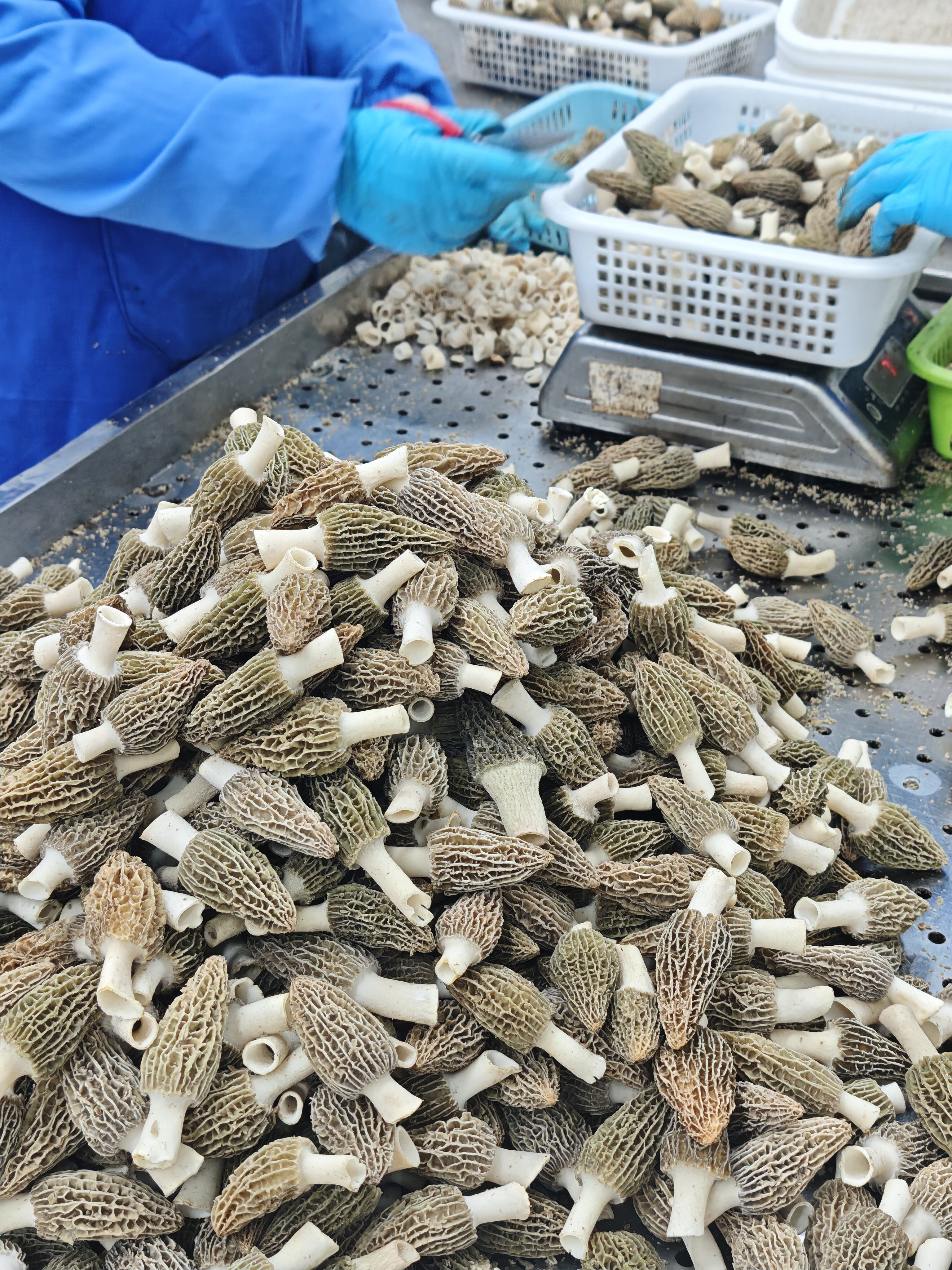
Fresh Morel Mushroom Sourcing Channels for Commercial Buyers
Direct-from-forager platforms and online B2B marketplaces
More and more commercial buyers are turning to online platforms to get their hands on fresh Morel mushrooms instead of going through the usual supply chain routes. What makes these digital marketplaces special? They link up restaurants and stores straight with certified mushroom hunters. This means mushrooms can go from being picked to sitting on restaurant plates within just one or two days. Prices change throughout the day based on how much was harvested and how good they look, and there's actual proof that the mushrooms were collected sustainably. The best business-to-business sites have live dashboards showing what's available right now, plus tracking systems so buyers know where their order is at all times. Want to check out options? Most platforms let customers sort by location, when they need delivery, and whether the mushrooms meet USDA standards. For those concerned about keeping mushrooms fresh during shipping, it's worth looking for companies that invest in special climate controlled packaging made just for delicate fungi like Morels.
Specialty food distributors and regional wholesale hubs
Specialty distributors that have been around for years offer dependable bulk supplies through their network spread across several key metropolitan areas like Chicago, Denver, and Minneapolis. During the busy spring months from April to June, most of these companies can get products delivered within a day. What makes them stand out? They bundle shipments with other seasonal items, offer flexible payment options for regular customers, and ensure top quality with proper grading checks supported by insurance coverage against any issues. When looking at potential suppliers, it's important to check if they follow proper temperature control standards throughout shipping. This means making sure they comply with FDA regulations under the Food Safety Modernization Act as well as HACCP guidelines for food safety. Some companies even set up temporary storage facilities close to where wild foods are harvested, which cuts down on transportation time and minimizes the chances of damage during handling.
Navigating Morel Mushroom Seasonality and Short-Delivery Logistics
Why April–June is Critical: Matching Peak Morel Mushroom Availability with Urgent Fulfillment Windows
The window for harvesting wild Morel mushrooms commercially in North America runs from April to June, covering just about 90 days where these prized fungi are abundant and restaurants are hungry for them. Getting these mushrooms from forest to plate requires tight coordination between mushroom hunters and delivery systems since Morels start losing their qualities very quickly after being picked. According to some figures floating around the industry, quality drops by roughly 40% if mushrooms sit longer than three days after harvest. This means timing matters a lot for anyone trying to sell these delicate treasures commercially.
Cold-Chain Transit Essentials: Keeping Morel Mushrooms Fresh Under 48-Hour Delivery Thresholds
Preserving Morel Mushroom freshness demands strict environmental control: consistent temperatures between 34–38°F and humidity levels of 90–95%. Commercial buyers should require partners to implement four core safeguards:
- Active temperature monitoring via IoT sensors with real-time deviation alerts
- Breathable packaging, such as perforated containers, to prevent condensation buildup
- Pre-cooled transport, ensuring refrigerated vehicles are stabilized before loading
- Direct routing protocols, eliminating transfer points between harvest and destination
Together, these measures uphold the critical 48-hour freshness threshold—reducing spoilage rates by up to 30%, per perishables logistics research.
Regional Fulfillment Infrastructure for Rapid Morel Mushroom Delivery
Pacific Northwest hubs (Seattle/Vancouver) and seasonal warehouse deployment strategies
Putting fulfillment centers close to where people actually shop makes all the difference when trying to hit those 48 hour delivery promises. Take the Pacific Northwest region around Seattle and Vancouver for instance. Every spring through summer months, these areas see pop-up micro fulfillment centers set up right outside city limits. They function as sort of mini cold storage hubs nearby enough to slash delivery times by about half compared to regular warehouses, logistics reports from the area suggest. What really drives this system forward? Well, there are basically three main approaches they follow:
- Cold-chain integration, maintaining 34–38°F throughout storage and transport
- Demand-responsive scaling, expanding capacity up to 300% during harvest surges
- Route optimization, using AI-driven dispatch to prioritize high-volume restaurant corridors
This hyperlocal model minimizes handling, maximizes shelf life, and supports zero-waste delivery goals.
Commercial Order Fulfillment: Pricing, Speed, and Restaurant-Specific Morel Mushroom Requirements
The price tags on commercial Morel Mushroom orders really depend on how scarce they are at different times of year plus how urgently they need shipping. During peak season, prices jump quite a bit, though big restaurants buying over 50 pounds usually get some kind of bulk discount. How fast these mushrooms arrive makes a huge difference in cost too. Air freight that gets them there within 48 hours typically costs somewhere between 15 to maybe even 30 percent extra compared to regular ground shipping. Still, most upscale restaurants can't operate without those quick deliveries when they want Morels featured regularly on their menus. Restaurant owners have pretty strict specs for these mushrooms too. They want caps that are all roughly the same size, about 20 to 40 mm across, no dirt clinging to them, and detailed records showing the temperature stayed below 40 degrees Fahrenheit throughout transport for health inspection purposes. A large distributor based in the Midwest reported something interesting recently: almost two thirds of chefs rejected shipments because the cold chain broke down during hot summer weather. Hotel chains that demand consistent quality work only with premium suppliers who implement things like vacuum sealing each batch with clear labels and check the moisture content right when the mushrooms arrive. This helps maintain recipes stay exactly the same every time and keeps customers coming back for reliable dishes.
FAQ
How can I ensure the freshness of Morel mushrooms during shipping?
Ensuring the freshness of Morel mushrooms during shipping requires maintaining consistent temperatures between 34–38°F and humidity levels of 90–95%. Also, choosing partners that implement active temperature monitoring, breathable packaging, pre-cooled transport, and direct routing protocols is crucial.
Why is the April-June period important for sourcing Morel mushrooms?
The April-June period is critical because it represents the peak season for Morel mushrooms in North America, where these fungi are abundant. This period involves tight coordination between mushroom hunters and delivery systems to maintain quality.
What are the price dynamics for commercial Morel Mushroom orders?
Commercial Morel Mushroom order prices fluctuate based on scarcity and urgency. During peak seasons, prices increase, but bulk discounts are available. Air freight for quick deliveries often incurs an additional cost.