 EN
EN

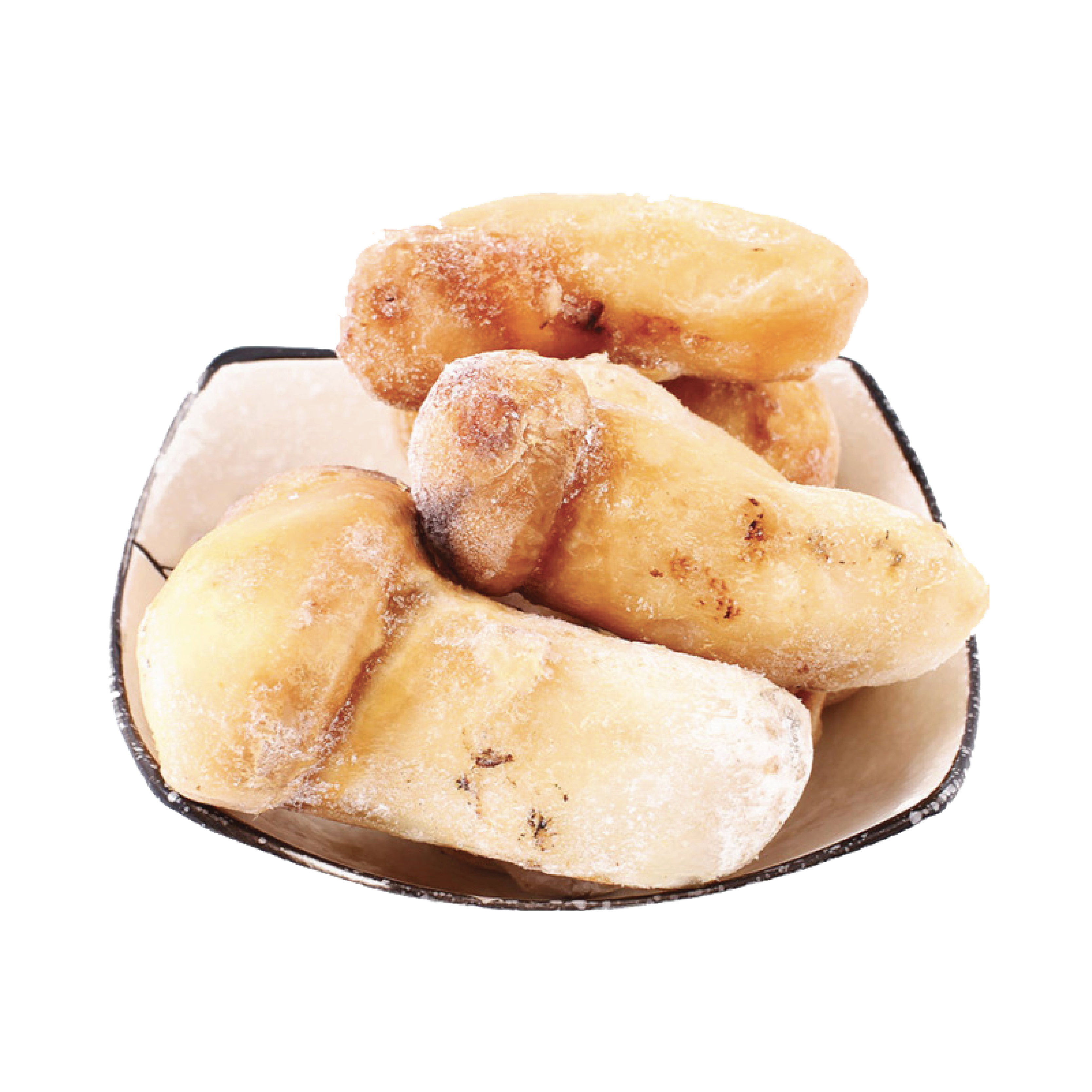
Why Fresh Matsutake Shelf Life Is Exceptionally Short — And What That Means for Distribution
The Biological Imperative: Enzymatic Degradation and Moisture Loss in Fresh Matsutake
The quality of matsutake mushrooms starts declining fast because they breathe heavily, brown quickly from enzymes, and lose moisture at an alarming rate. These mushrooms have tiny holes throughout their structure that let water escape really fast. Under bad storage conditions, they can lose more than 8% of their weight in just four days, which makes them look browned out, soft, and wilted. Processing delays only make matters worse for these delicate fungi. Sometimes just waiting a couple extra hours before handling them cuts their shelf life almost in half. Keeping those enzymes working properly isn't just about logistics, it's actually a biological necessity. Research published last year in Frontiers in Plant Science shows that losing moisture is one of the main reasons untreated matsutakes start going bad so quickly.
Cold Chain Integrity: The Non-Negotiable Requirement for Matsutake Viability
Keeping matsutake mushrooms fresh requires maintaining a continuous cold chain between 1 and 4 degrees Celsius while ensuring humidity stays above 90%. This isn't just recommended practice; it's absolutely necessary for quality preservation. When temperatures fluctuate beyond a 2 degree range, certain enzymes start working overtime and microbes multiply faster, which can cut down on viability anywhere from 40 to 60 percent. If humidity drops below that magic 90% mark, those prized mushrooms lose their crisp texture within just 36 hours flat. Distributors who invest in real time temperature monitoring systems have seen impressive results, extending the window of freshness by as much as 80% in some cases. But getting this right takes serious attention to detail. For every half hour spent outside optimal conditions, shelf life diminishes roughly 1%. That's why companies like ICON Cold Chain Solutions emphasize such strict parameters when handling these delicate gourmet items.
Supermarkets & Hypermarkets: Balancing Scale, Speed, and Matsutake Freshness
Getting fresh matsutake mushrooms into supermarkets and big box stores requires serious operational know-how. The main challenge comes from balancing large scale distribution against the fact that these mushrooms start deteriorating within just 2 to 3 days after picking. To make it work, logistics folks have basically eliminated delays in the system. Most shipments skip regular warehouses altogether and arrive at retail locations within a day or so. When they get there, store employees rush to put them on shelves right away. Placing these prized fungi near checkout areas helps cut down on how long they sit around inside the store, which means less time exposed to potential damage. Temperature control is absolutely critical too. If the cold chain breaks even slightly, letting temperatures rise above 2 degrees Celsius, the mushrooms will lose their texture permanently. Big chains now use smart route planning software along with sensor-equipped shipping containers to keep everything running smoothly. During busy seasons, top retailers actually assign special teams just for handling matsutake shipments, treating them like VIP cargo even though they handle thousands of other products daily. Ultimately, success in this business depends on matching large volume operations with obsessive attention to detail.
Online Retailers: Packaging Innovation and Logistics as Key Levers for Matsutake Shelf Life Extension
The delicate nature of matsutake mushrooms presents a real challenge for online sellers who need to get these prized fungi to customers fresh. Many retailers have started using special packaging techniques to combat this issue. One popular method is called Modified Atmosphere Packaging, or MAP for short. Basically, it works by swapping out the regular air inside the package with gases like nitrogen or carbon dioxide. This simple trick helps stop those unsightly brown spots from forming and keeps unwanted bacteria at bay. Combine this with some non-toxic cooling packs and suddenly we're looking at a whole new environment inside the box. Most importantly, this combination actually works pretty well in practice. Tests show that properly packaged matsutakes can stay fresh for around seven days after being picked, which makes shipping them across country much less risky for both growers and buyers.
Modified Atmosphere Packaging (MAP) + Gel-Pack Cooling: Proven Tactics for 7-Day Matsutake Viability
When modified atmosphere packaging keeps oxygen levels around 5 to 10 percent and carbon dioxide at 15 to 20 percent, it really slows down how food breathes and cuts down on spoilage so most products stay fresh with less than 8% decay even after seven days. The gel packs inside shipping containers keep things cool between 2 and 4 degrees Celsius during transport. This matters a lot since if temperatures jump just 5 degrees higher, fruits and vegetables start spoiling as much as one extra day would normally cause. These combined methods give grocery stores and consumers access to fresher produce than traditional supply chains ever could manage. But good packaging isn't everything. Top online grocers rely on smart sensors that send warnings when something goes wrong and adjust delivery routes based on weather forecasts and traffic conditions. Big companies report keeping their cold chain intact about 99 times out of 100 by watching temperature changes closely and making deliveries before any heat damage can affect the quality of perishables.
Specialty Grocers and Direct-to-Consumer Channels: Precision Control for Maximum Matsutake Shelf Life
Data Insight: Specialty Channels Achieve >6-Day Verified Shelf Life Through End-to-End Matsutake Traceability
Specialty grocers and direct to consumer operations are seeing shelf lives that go well beyond six days sometimes as much as 40% longer than what traditional methods offer simply because they build traceability into each step of the process. The IoT systems these businesses use keep track of temperatures around 0.5 degrees Celsius, humidity levels between 90 and 95 percent relative humidity, and how long products spend in transit all monitored in real time. When something goes off track, these systems automatically kick in to correct issues before they become problems. With this level of precision, there are about 30% fewer points where products need to be handled during shipping. Quality checks happen automatically too, so any batches that might be compromised get flagged before they ever leave the facility. Logistics teams also synchronize their schedules with when crops are actually harvested thanks to predictive analytics tools. Blockchain technology helps confirm that around 98% of protocols are followed properly, and the closed loop systems reduce waste by approximately 25%. For high value perishable goods, having full traceability means more than just knowing where things came from it literally builds the foundation for maintaining freshness throughout the supply chain.
FAQ
Why do matsutake mushrooms have a short shelf life?
Matsutake mushrooms have a short shelf life because they breathe heavily, brown quickly due to enzymes, and rapidly lose moisture.
How can the shelf life of matsutake mushrooms be extended?
The shelf life can be extended by maintaining a cold chain with temperatures between 1 and 4 degrees Celsius and humidity above 90%, using advanced packaging techniques, and employing real-time monitoring systems.
What is Modified Atmosphere Packaging (MAP)?
MAP is a packaging technique that replaces the air inside the package with gases like nitrogen or carbon dioxide to slow down spoilage.
What role does technology play in maintaining the freshness of matsutake mushrooms?
Technology helps by providing real-time monitoring, temperature control, and predictive analytics to ensure optimal storage conditions and traceability throughout the supply chain.
Table of Contents
- Why Fresh Matsutake Shelf Life Is Exceptionally Short — And What That Means for Distribution
- Supermarkets & Hypermarkets: Balancing Scale, Speed, and Matsutake Freshness
- Online Retailers: Packaging Innovation and Logistics as Key Levers for Matsutake Shelf Life Extension
- Specialty Grocers and Direct-to-Consumer Channels: Precision Control for Maximum Matsutake Shelf Life
- FAQ