 EN
EN
Japan: The Benchmark for Premium Matsutake Quality and Terroir
Symbiotic Ecology: Red Pine Forests and Acidic Volcanic Soils in Nagano and Tottori
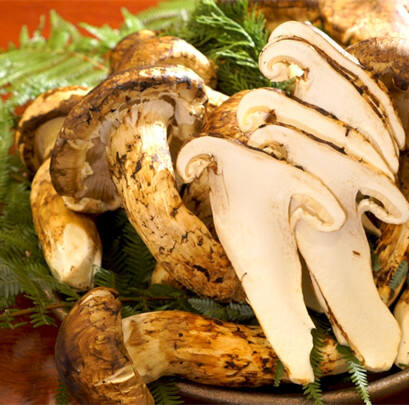
What makes Japanese matsutake so special? It all comes down to a unique partnership between three things: the Tricholoma matsutake mushroom itself, the red pine trees (Pinus densiflora), and those specific acidic volcanic soils around pH 4.5 to 5.5 found in mountain forests across Nagano and Tottori prefectures. The soil there has been building up over hundreds of years from volcanic ash deposits, creating these rich, well-draining conditions that let the mushroom's underground network grow thick and strong. The result? Mushrooms with textures and smells that just can't be matched anywhere else. People have tried moving this whole setup to other regions, but nothing works. That's why experts say the character of these mushrooms isn't just about location on a map, but about the living relationships in the ecosystem. This combination explains why Japanese matsutake remains the gold standard for quality in the world market.
Cultural Scarcity & Market Premium: How Ritual Harvesting Sustains Matsutake's Luxury Status
The scarcity of matsutake mushrooms isn't just about nature but also culture, something that has been carefully maintained over generations. Experienced foragers still rely on old fashioned bamboo tools when harvesting these prized fungi, making sure they don't harm the underground network of mycelium that keeps the forest healthy and regenerating properly. The whole process takes a lot of time and effort, which means Japan only manages to collect around 50 to 70 tons each year. That's actually down by about 40 percent compared to what was harvested back in 1990, even though there should be plenty of good growing areas available. Because matsutakes hold such special meaning in traditional Japanese gift giving rituals, this careful approach helps maintain their status as a luxury item. Top quality mushrooms can fetch prices well over 100,000 yen per kilogram in markets. Any mushrooms that aren't perfect get left out of the high end sales channels entirely, showing how deeply quality matters culturally, not just as a business concern.
North America: Divergent Species and the Quest for Premium Recognition
Taxonomic Reality: Tricholoma murrillianum vs. T. magnivelare – Aroma, Texture, and Market Positioning
There are actually two different matsutake mushrooms growing wild in North America, each with their own unique flavors and characteristics. One is called Tricholoma murrillianum and it's mostly found in the Pacific Northwest region. The other species, known as T. magnivelare, has traditionally been linked to pine forests across the eastern United States and Canada. Both mushrooms thrive in conifer environments but only T. magnivelare develops that signature pine and cinnamon scent so valued in Japanese cooking traditions. Meanwhile, T. murrillianum carries more spicy, earthy tones and doesn't hold up as well when cooked, which makes it less desirable to those who know what they're looking for. Recent research from 2023 showed something concerning for mushroom lovers - nearly four out of five US exporters don't even bother listing which species is actually in the package. This lack of transparency makes tracking where these mushrooms come from almost impossible and hurts attempts to establish regional reputations for quality. Until there's some sort of standard system that recognizes these differences between species, American growers will continue getting stuck selling their product at generic prices, even though many areas produce mushrooms with exceptional local character.
Export Evolution: From Bulk Pacific Northwest Matsutake to U.S.-Labeled Premium Grades
Pacific Northwest matsutake mushrooms have been shipped in bulk to Asia for years, where they get repackaged with Japanese labels attached, which has driven down their market value by around 30 to 40 percent. Things are starting to change though. Foragers, processors, and distributors are working together on new approaches that include DNA testing to track origins and special packaging that maintains the right moisture levels. These methods help keep those precious aroma compounds intact, which makes all the difference when it comes to being seen as a premium product. Last year, Oregon farmers who implemented these practices saw their U.S. Firs grade matsutake fetch about 22% more money at market. There's still work to be done scaling up production since only about 15% of what gets harvested actually meets the standards needed for export certification. Still, we're seeing more investment in cold storage solutions and better training for people gathering mushrooms in the wild, pointing clearly toward a future where these mushrooms will carry a distinct regional luxury brand identity.
China: Scaling Volume While Forging Distinct Premium Matsutake Identities
Yunnan’s Terroir Shift: High-Altitude Diqing Matsutake and Traceable Premium Certification
China provides more than half of all matsutake mushrooms worldwide, but when it comes to top quality, everyone looks to Yunnan's Diqing Prefecture. The region sits between 3,500 and 4,500 meters above sea level where alpine oak and pine forests grow undisturbed by human activity. These conditions create mushrooms that are firmer and smell better than most others available. What makes Diqing matsutake different? They come with blockchain tracking that tells exactly where they were harvested, when they were picked, and how they were handled after collection. This kind of transparency helps stop the old tricks of passing off inferior products as premium goods, something buyers have long wanted but rarely gotten. Studies indicate that mushrooms with this certification sell for 30 to 50 percent more money compared to regular ones. So what does this mean? China isn't just relying on where mushrooms come from anymore to determine their value. Instead, the country is building a reputation based on actual ecological factors and strict harvesting standards that can be checked and verified.
Korea and Bhutan: Niche Origins Leveraging Geography and Governance for Premium Differentiation
Take Korea and Bhutan as prime examples of countries that have carved out unique market positions through their distinct geographical features and governance models rather than simply trying to match bigger players. The volcanic highlands of Gangwon Province produce some seriously aromatic matsutake mushrooms, which are then graded according to national standards focusing on size, intact caps, and overall freshness. Every single batch gets tracked with a unique identifier, making them highly sought after in luxury gift markets throughout Japan and parts of Southeast Asia. Meanwhile, Bhutan has built its premium image around strict forest protection laws requiring at least 70 percent forest coverage, plus organic certifications for all harvesting areas. They've partnered with European retailers who care deeply about biodiversity preservation and sustainable foraging practices, which really resonates with customers concerned about environmental impact. These two countries show us something important: true premium value doesn't come from mass production or copying others, but instead from genuine transparency about where products come from and how policies shape what gets produced. When local geography works hand in hand with thoughtful governance, businesses can build lasting advantages that stand out in crowded markets.
FAQ
What is unique about Japanese matsutake mushrooms?
Japanese matsutake mushrooms are unique due to their symbiotic relationship with red pine trees and specific acidic volcanic soils in Nagano and Tottori prefectures, creating unmatched textures and smells.
Why is there a market premium for matsutake mushrooms in Japan?
In Japan, matsutake mushrooms are scarce due to cultural and traditional harvesting practices. Their elite status in traditional rituals and market prices justify a premium, often fetching over 100,000 yen per kilogram for top-quality mushrooms.
What are the characteristics of North American matsutake mushrooms?
North American matsutake mushrooms include Tricholoma murrillianum and T. magnivelare. T. magnivelare has a signature pine and cinnamon scent valued in Japanese cuisine, while T. murrillianum has a spicy, earthy aroma.
How does China ensure the premium quality of its matsutake mushrooms?
China ensures the quality of its matsutake mushrooms through blockchain tracking, which authenticates their origin and quality, helping premium options from regions like Yunnan's Diqing Prefecture stand out.
What strategies have Korea and Bhutan implemented to differentiate their matsutake mushrooms?
Korea and Bhutan distinguish their matsutake mushrooms by leveraging unique geographical features, stringent governance, and certifications that track mushroom origins, appealing to markets that value sustainability and freshness.
Table of Contents
- Japan: The Benchmark for Premium Matsutake Quality and Terroir
- North America: Divergent Species and the Quest for Premium Recognition
- China: Scaling Volume While Forging Distinct Premium Matsutake Identities
- Korea and Bhutan: Niche Origins Leveraging Geography and Governance for Premium Differentiation
-
FAQ
- What is unique about Japanese matsutake mushrooms?
- Why is there a market premium for matsutake mushrooms in Japan?
- What are the characteristics of North American matsutake mushrooms?
- How does China ensure the premium quality of its matsutake mushrooms?
- What strategies have Korea and Bhutan implemented to differentiate their matsutake mushrooms?