 EN
EN

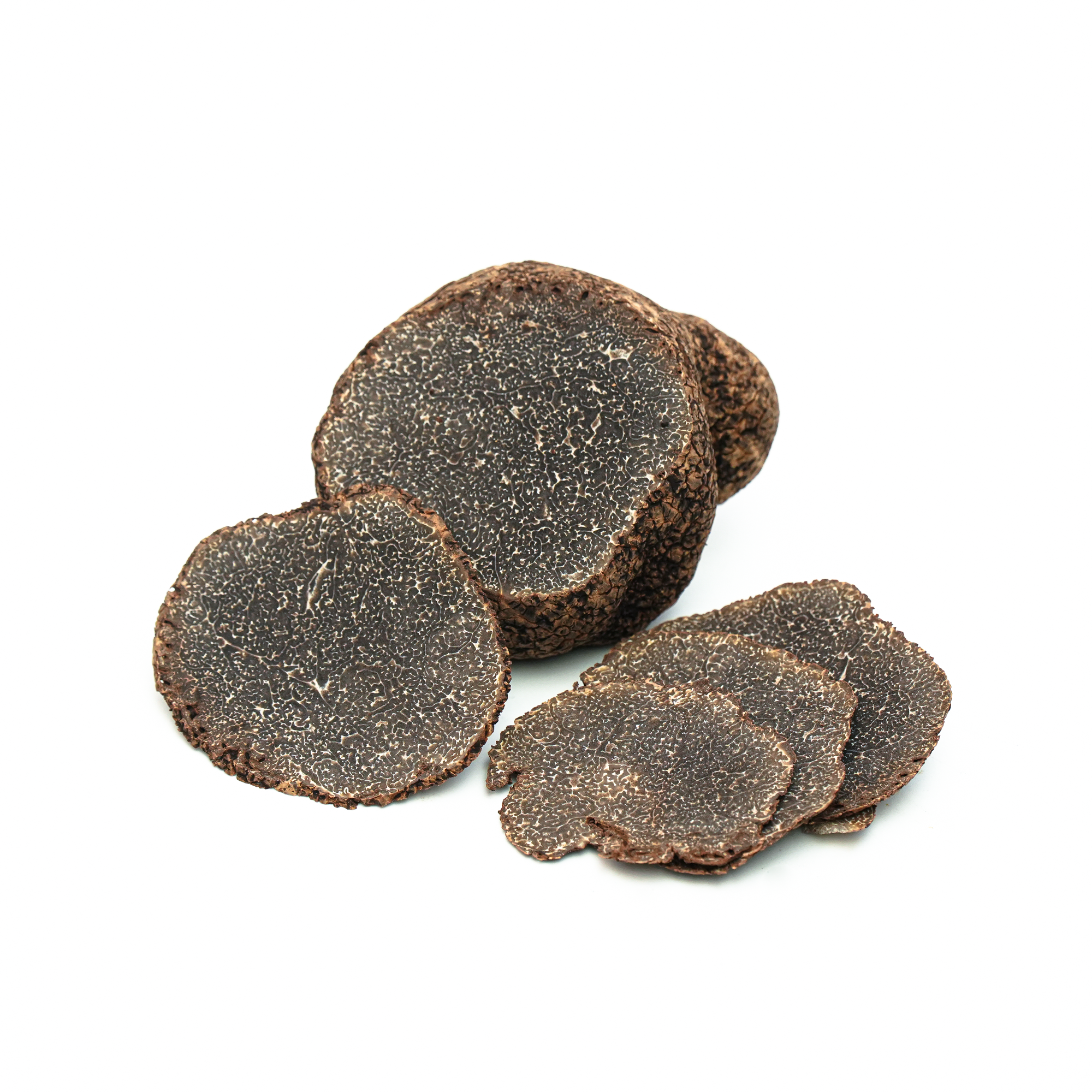
Why Rapid Pre-Cooling Is Critical for Black Truffle Quality Retention
The 0–6 Hour Post-Harvest Window: Minimizing Enzymatic Deterioration in Black Truffle
Black truffles undergo rapid enzymatic breakdown immediately after harvest, losing up to 40% of key aroma compounds within 48 hours (2023 GC-MS analysis). Mitochondrial activity continues post-harvest, consuming internal sugars and fats while generating metabolic heat that accelerates quality loss. The narrow 0–6 hour window is critical because:
- Enzymes like polyphenol oxidase degrade cell walls three times faster at ambient temperatures
- Volatile organic compounds (VOCs) dissipate 50% faster without temperature intervention
- Core temperature rises 8–12°C/hour in freshly harvested truffles
Timely pre-cooling within this window reduces enzymatic reactions by 83% compared to room-temperature storage (Phong et al. 2022).
Controlling Moisture Loss and Microbial Spoilage Through Immediate Temperature Reduction
High moisture content (75–80%) makes black truffles exceptionally vulnerable to microbial proliferation and dehydration. Pre-cooling to 1–3°C within 4 hours of harvest achieves:
| Factor | Pre-Cooled Reduction | Non-Cooled Impact |
|---|---|---|
| Water loss | ±2% weight loss | 15% dehydration |
| Mold growth | 94% inhibition | 70% contamination |
| Aroma retention | 90% VOC preservation | 55% degradation |
This temperature reduction suppresses microbial respiration rates and stabilizes the thin natural wax coating—extending viable shelf life from ±3 days to 7–9 days under optimal humidity (90–95%).
How Low-Temperature Pre-Cooling Suppresses Metabolic Activity in Black Truffle
Cellular Integrity Preservation: Cold-Induced Slowing of Respiration and Ethylene Production
Cooling down black truffles to around 2 to 4 degrees Celsius shortly after picking them can cut their metabolic respiration rate by as much as 60 percent, which stops cells from breaking down. When kept cold, the mitochondria inside these precious fungi work slower, so they consume less oxygen and produce less carbon dioxide too. Plus, this temperature drop helps curb the creation of ethylene, that important hormone responsible for ripening fruits and vegetables. The cold treatment also stops the build up of those pesky reactive oxygen species or ROS for short, which would otherwise damage the delicate lipid membranes. If truffles aren't cooled quickly enough though, their respiration rates go through the roof, causing proteins to break down faster and sugars to disappear. This leads to worse texture overall and makes them worth less money at market time.
Enzyme Inactivation and Delayed Senescence in Fresh Black Truffle
Putting truffles into cold storage actually stops those bad enzymes from working properly, especially polyphenol oxidase or PPO for short, which is what causes them to brown over time. When stored at around 4 degrees Celsius, this enzyme becomes about 40 percent less active than it would be at room temperature, so the truffles stay fresh looking for much longer. At the same time, some important antioxidant enzymes like catalase (katE) and superoxide dismutase (Sod_Cu) keep doing their job even after cooling down, helping fight off harmful free radicals that damage cells. These two effects together mean truffles last significantly longer on shelves because they don't lose their structure as quickly. Tests have shown that truffles cooled before packaging can remain marketable quality for somewhere between 14 to maybe even 18 days, whereas ones left at normal temperatures typically only last about 5 to 7 days before they start to degrade.
Optimal Storage Conditions for Extended Black Truffle Shelf Life
Stabilizing Quality at 5°C ± 2°C: Evidence from Périgord Black Truffle Trials
Keeping black truffles around 5 degrees Celsius give or take 2 degrees, along with maintaining humidity levels between 90 and 95 percent, really helps them stay fresh longer because it slows down their natural breakdown process. When stored in this temperature range, the ugly brown spots that form on truffles decrease by about 40% compared to what happens when they're left out at room temperature. Plus, important smell compounds such as dimethyl sulfide remain intact. Controlling moisture is also crucial for preventing weight loss. We've seen truffles stored under 85% relative humidity actually lose around 12% of their weight just after five days in storage, which makes them go soft and unappealing much faster. Recent tests conducted through cold chain systems in 2024 show these conditions work best for keeping truffles tasting great and looking good for customers.
| Condition | Shelf Life | Aroma Retention | Texture Integrity |
|---|---|---|---|
| 5°C ± 2°C, 90–95% RH | 10–14 days | 92% | 95% |
| 8°C, uncontrolled RH | 4–6 days | 68% | 72% |
Daily temperature fluctuations exceeding ±0.5°C reduce shelf life by 40%, emphasizing the need for precision refrigeration. Packaging must balance gas exchange—micro-perforated containers prevent CO₂ buildup while minimizing moisture escape. According to 2024 cold chain optimization trials, this approach retains sensory qualities three times longer than standard refrigeration.
Aroma and Flavor Preservation: How Pre-Cooling Stabilizes Volatile Organic Compounds in Black Truffle
Cold-Driven Retention of Key Aromatic Compounds (e.g., dimethyl sulfide, bis(methylthio)methane)
When stored at cold temps, the breakdown of those volatile organic compounds responsible for the earthy scent of black truffles gets significantly slowed down. Dimethyl sulfide and bis(methylthio)methane are among these important VOCs. If truffles get cooled down to around 1-3 degrees Celsius shortly after being harvested, we see about an 18 to 23 percent reduction in VOC loss compared to just leaving them at normal room temperature. What remains is over 90% of their original aromatic strength. The reason behind this? Cold storage basically hits pause on enzyme activity and oxidation processes that normally break down these compounds. Keeping things at 90-95% humidity while maintaining those low temps makes all the difference too. This combination helps keep the truffles tasting great for high-end cooking applications. Research shows that quick chilling keeps those essential terpenes intact and stops flavors from turning metallic or off-putting in any way.
Frequently Asked Questions
Why is pre-cooling crucial for black truffles?
Pre-cooling is crucial for black truffles as it reduces enzymatic reactions, minimizes moisture loss, and prevents microbial growth, which helps in retaining the aroma and quality of truffles for a longer period.
What are the optimal storage conditions for black truffles?
Black truffles should be stored at 5°C ± 2°C with 90–95% relative humidity. This helps maintain their quality and extend their shelf life.
What happens if truffles are not pre-cooled?
If truffles are not pre-cooled, they experience increased enzymatic activity, respiration, and microbial growth. This leads to a rapid decline in quality, aroma, and shelf life.
How long can pre-cooled truffles remain fresh?
Pre-cooled truffles can remain fresh and retain marketable quality for 14 to 18 days, compared to 5 to 7 days when not pre-cooled.
Table of Contents
- Why Rapid Pre-Cooling Is Critical for Black Truffle Quality Retention
- How Low-Temperature Pre-Cooling Suppresses Metabolic Activity in Black Truffle
- Optimal Storage Conditions for Extended Black Truffle Shelf Life
- Aroma and Flavor Preservation: How Pre-Cooling Stabilizes Volatile Organic Compounds in Black Truffle
- Frequently Asked Questions