 EN
EN

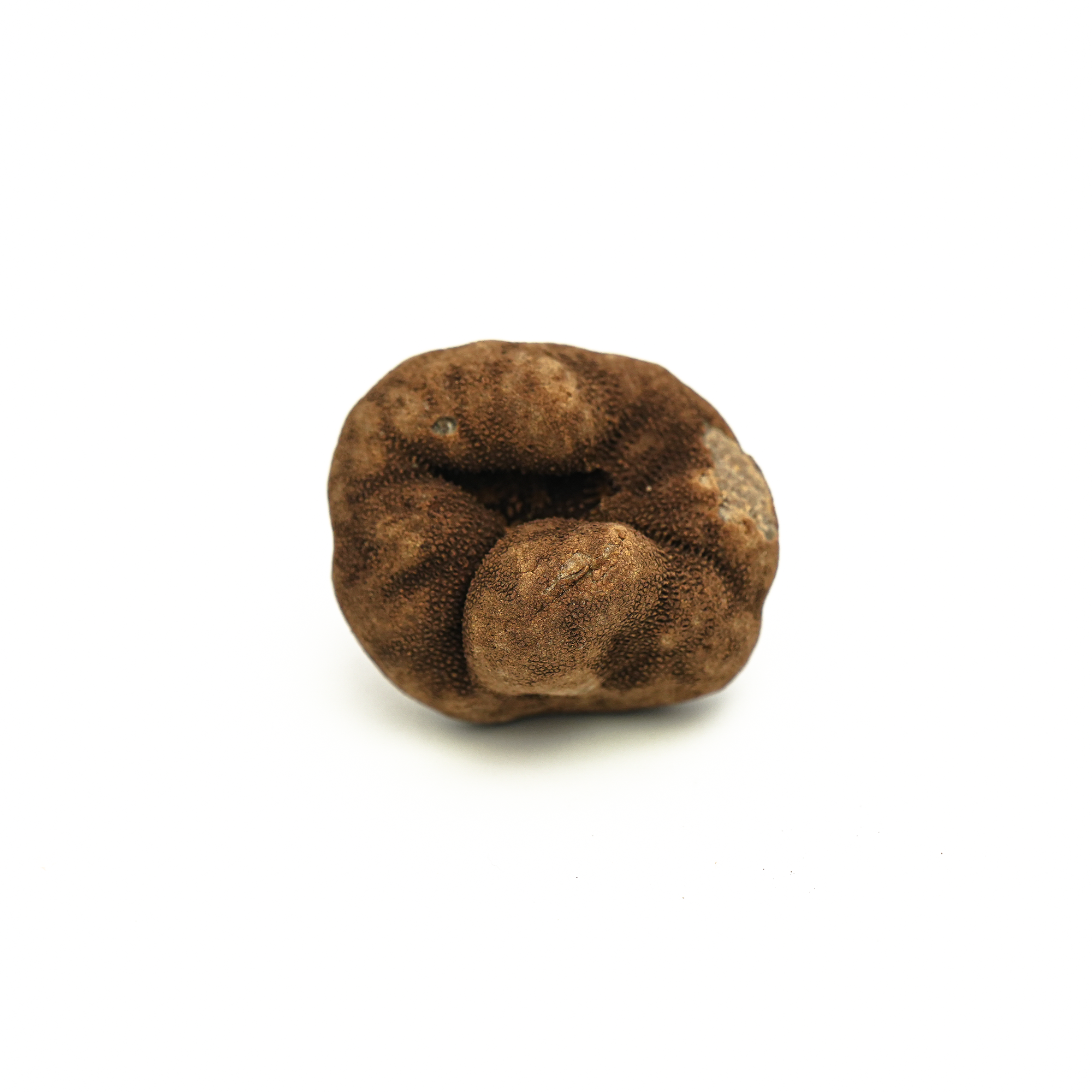
Spain: The Global Leader in Black Truffle Exports
Climatic and Cultivation Advantages Driving Scale
The reason Spain leads the world in exporting black truffles (Tuber melanosporum) has everything to do with its special combination of soil and weather. The country's limestone-rich earth with just the right acidity level, plus those long hot summers and chilly winters typical of the Mediterranean region, creates ideal growing conditions. What really makes it work though are those amazing relationships between the truffle fungi and local oak and hazelnut trees. These partnerships help create strong mycorrhizal networks underground. All these factors together explain why Spanish farmers can bring in over 47 tons each year. That puts them at number one globally for volume according to Knowable Magazine from 2022.
PDO-Aligned Certification and EU Export Infrastructure
The strength behind Spain's exports gets a big boost from PDO certification, something that meets those tough EU quality standards most people talk about. The country has built up pretty good infrastructure too. They've got these phytosanitary rules that work across all EU countries, which helps things move smoothly between borders. There are also central places where goods get sorted out quickly, cutting down on waiting times at borders. And interestingly enough, some companies are using blockchain technology to track where products come from. All this stuff combined means Spanish truffles keep arriving in top condition around the world, even though different countries have their own specific regulations to follow when importing food products.
Extremadura and Aragón: Powerhouses Supplying 75% of EU-Exported Black Truffle (Tuber melanosporum)
Extremadura and Aragón form the heart of Spain's truffle industry—accounting for 75% of all black truffle exports from the EU. Teruel province in Aragón alone yields over 80 tons annually. Their distinct terroirs drive regional specialization:
| Region | Contribution to EU Exports | Key Production Features |
|---|---|---|
| Aragón | 45% | Semi-arid plateaus; advanced commercial nurseries |
| Extremadura | 30% | Limestone-rich substrates; precision drip irrigation |
Volcanic soil profiles and elevation gradients enable staggered, near-year-round harvesting—securing Spain's leadership in both volume and reliability.
France and Italy: Premium Black Truffle Origins with Niche Export Strategies
PDO-Protected Périgord and Norcia Black Truffles in High-Value Markets
The Périgord region of France and Norcia in Italy have really capitalized on their Protected Designation of Origin (PDO) status to position themselves as top players in the world's gourmet food scene. What makes this certification so valuable? It ensures that products truly come from specific areas with unique soil, climate, and traditions. Chefs at Michelin-starred restaurants across Europe, plus upscale grocery stores in places like Hong Kong and Canadian specialty shops, all look for this mark when sourcing ingredients. Sure, Spanish producers make more of these goods overall, but Périgord truffles and Norcia prosciutto fetch prices that are roughly 20 to 30 percent higher because they focus on where things come from, how they're made, and the distinct flavors that just can't be replicated elsewhere. For many buyers, paying extra isn't just about quality it's about supporting local traditions that go back generations.
Transition from Wild Harvest to Controlled Cultivation for Export Consistency
Unpredictable weather patterns and shrinking wild harvests are pushing both nations toward more controlled growing methods. These days, inoculated oak groves form the backbone of export strategies, giving growers something they desperately need: regular harvest schedules, uniform sizes, and truffles that taste pretty much the same batch after batch. French producers have boosted their black Perigord truffle output by around 40 percent since 2015. Meanwhile in Italy's Umbria region, nearly two thirds of what gets shipped overseas comes straight from those carefully maintained orchards. The real advantage? Airplanes can reliably carry these precious cargoes across continents right when premium markets demand them, especially places like Singapore where freshness matters most for top quality truffle shipments.
Eastern Europe’s Rise: Bulgaria, Croatia, and the Expansion of Black Truffle Export Geography
EU Recognition, Cold-Chain Adoption, and Third-Country Market Access
The black truffle trade is really taking off in Bulgaria and Croatia these days. Both countries have been working hard to meet EU quality standards, getting those PDO certifications sorted out, and investing in better storage and shipping methods. Bulgarian producers saw their output jump about 15% last year according to recent figures, while Croatian growers are finally breaking into high-end markets thanks to proper documentation and quality checks. The whole supply chain has gotten much more sophisticated too. Now they're using refrigerated trucks, special packaging that keeps oxygen out, and even blockchain technology to track where each truffle comes from. This matters a lot when selling to places with tough rules like Japan or the UAE hotel scene. Market access outside Europe grew around 30% since mid-2022 actually, partly because they've aligned with American food safety laws and signed some important trade deals. What used to be local specialties are now finding buyers all over the world.
How Black Truffle Export Flows Reach 20+ Countries: Logistics, Regulations, and Key Destinations
Cold-Chain Integrity and Bilateral Agreements Enabling U.S., Japan, UAE, and South Korea Access
Keeping the cold chain intact matters a lot for perishables. When temperatures stay between 2 and 8 degrees Celsius and packages get flushed with nitrogen, shelf life can stretch out by around 40%. This helps maintain that fresh smell and texture even after traveling thousands of miles across continents. Trade deals also play their part in getting products to market faster. Take the EU-Japan Economic Partnership Agreement for instance. It removes those pesky tariffs and brings together different food safety standards so goods move smoother through borders. Similar arrangements exist in the US too, where protocols aligned with FSMA speed things along at customs checkpoints for shipments heading straight to restaurants. These systems cut down on processing delays by nearly three quarters in major shipping routes while allowing continuous tracking throughout supply chains stretching over 15,000 kilometers. As a result, top quality truffles show up consistently at luxury hotels in Dubai, traditional kaiseki establishments in Tokyo, and those fancy Michelin starred places all over Seoul.
FAQs
Why is Spain a leader in black truffle exports?
Spain has a unique combination of soil and weather ideal for growing black truffles. The limestone-rich soil and Mediterranean climate help promote strong truffle growth, supported by partnerships between truffle fungi and local trees.
What role does PDO certification play in black truffle exports?
PDO certification ensures products come from specific areas with unique characteristics, boosting the credibility and enabling Spain, France, and Italy to meet EU quality standards, facilitating smoother exports.
How have France and Italy maintained their status in the premium market?
France and Italy use PDO-Protected status to position their truffles as high-value products. This helps maintain higher prices and a focus on local traditions, ensuring consistency in taste and quality.
How is Eastern Europe impacting the black truffle market?
Countries like Bulgaria and Croatia are increasing their presence in the black truffle market by aligning with EU standards, improving storage, and expanding market access which has resulted in greater geographic reach.
Table of Contents
- Spain: The Global Leader in Black Truffle Exports
- France and Italy: Premium Black Truffle Origins with Niche Export Strategies
- Eastern Europe’s Rise: Bulgaria, Croatia, and the Expansion of Black Truffle Export Geography
- How Black Truffle Export Flows Reach 20+ Countries: Logistics, Regulations, and Key Destinations
- FAQs