 EN
EN

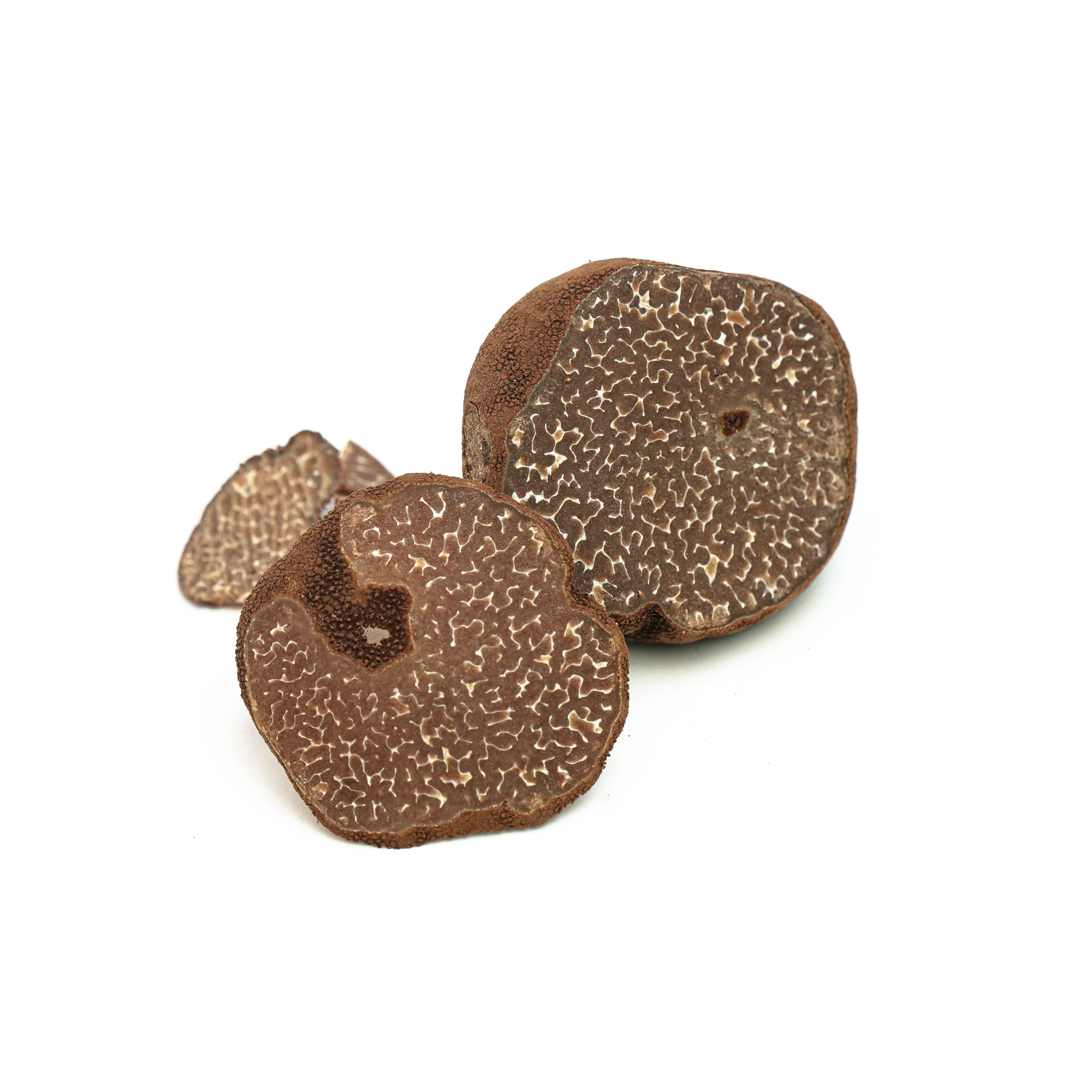
Sensory Evaluation: Detecting Authentic Black Truffle by Smell, Texture, and Seasonality
Key Sensory Markers of Genuine Tuber melanosporum
Real black truffles, those Tuber melanosporum ones, have that unmistakable smell first and foremost. The good ones give off this amazing mix of earthy musk, something like roasted garlic mixed with toasted hazelnuts. This comes from certain chemicals they contain, including stuff like 2,4-dithiapentane if we get technical. If the smell is weak, flat or even smells a bit like ammonia, chances are the truffle has either gotten old or was stored improperly. Both situations really knock down how strong the aroma is and mess with the overall taste. When it comes to texture, authentic truffles should be firm but still give a little when pressed gently, kind of like cold butter. They shouldn't feel spongy, brittle or too soft though. Inside, check for nice marbling patterns in the dark, moist flesh and make sure the outer layer (called peridium) looks somewhat rough but intact. Things like flaking surfaces, dustiness or lots of wrinkles usually mean the truffle has dried out or started going bad. Studies show this kind of deterioration can cut down on important aroma compounds by around 40% after harvest, so freshness matters a lot for getting that full truffle experience.
Why Harvest Timing and Regional Climate Validate Black Truffle Origin
When talking about real black truffles, seasonality and terroir just can't be ignored if we want to talk about what makes them authentic. The genuine Tuber melanosporum forms relationships with certain trees and needs those special Mediterranean climates to grow properly. These precious fungi typically mature from November right through to March. If someone tries to sell them at other times of year, chances are they're not the real deal but probably cheaper alternatives like Tuber indicum, which simply doesn't have the same rich aroma or dense texture that makes true truffles so desirable. What kind of soil these truffles grow in matters too. Places with lots of limestone in the ground, think areas like Périgord in France or Umbria in Italy, create conditions where microbes work their magic on developing the truffle's signature smell compounds. For anyone claiming their truffles come from somewhere specific, they better back it up with actual facts about when they were harvested, what sort of soil was involved, and how the local weather plays into it all. Otherwise, those origin claims ring pretty hollow.
Scientific Authentication: Volatile Organic Compound (VOC) Profiling for Black Truffle Origin Verification
Linking VOC Signatures to Geographic Terroir and Soil Composition
The volatile organic compounds found in truffles serve kind of like chemical fingerprints that tell where they came from and what kind of environment they grew in. Factors such as soil acidity levels, minerals like calcium and magnesium present in the ground, plus all sorts of microbes living there play a big role in creating those special smell molecules we associate with truffles, including things like dimethyl sulfide and 2-methylbutanal. Studies published in scientific journals indicate that truffles growing on limestone rich areas tend to have around 15 to maybe even 20 percent more sulfur based VOCs compared to their counterparts from volcanic or acidic soil regions. What this means practically is that these unique signatures allow scientists to verify where truffles originated through laboratory testing methods that don't damage the actual samples being tested.
Differentiating Premium Black Truffle from Common Adulterants (e.g., Tuber indicum)
VOC profiling does a pretty good job at telling real Tuber melanosporum apart from those cheaper imposters like Tuber indicum. Authentic black truffles have certain chemical markers including stuff like androstenone and cis-bis(methylthio)ethene which just aren't there or only show up in tiny amounts in many of the Asian alternatives on the market today. When we look at T. indicum though, it tends to give off much higher concentrations of p-cresol. This phenolic substance is what gives it that weird barnyard smell or sometimes even something that smells medicinal, which makes it worth less in cooking circles. Using gas chromatography mass spectrometry, or GC-MS for short, scientists can spot these chemical differences over 95 percent of the time. That's why volatile organic compound analysis has become so important for keeping quality standards high across luxury food supply chains around the world.
Regulatory & Traceability Safeguards: PDO, PGI, and Batch-Level Tracking for Black Truffle
The PDO and PGI labels from the EU act as legal guarantees that truffles come from specific areas known for their unique qualities, like Périgord in France or Norcia in Italy. These regions have soils, climates, and harvesting traditions that together create those distinctive flavors we associate with authentic truffles. When a truffle gets one of these certifications, producers must follow strict rules about how they grow and handle the product. Alongside these traditional protections, new technologies are making a difference too. Systems based on blockchain or RFID tags track important details throughout the whole journey. Think about things like where exactly the truffle was harvested, when it happened, who handled it, what temperatures it experienced during shipping, and eventually where it ends up being sold. Some research from 2022 showed that implementing blockchain tech cut down on fake labeling problems by about 34% in expensive food markets. For black truffles specifically, combining these official certifications with digital tracking creates a complete paper trail from ground to plate. This helps stop cheaper alternatives like Chinese truffles (Tuber indicum) from sneaking into premium markets while also keeping everything aligned with global food safety regulations.
Advanced Verification: DNA Testing and Ethical Sourcing Practices for Black Truffle Integrity
When and Why Third-Party DNA Analysis Is Critical for High-Value Black Truffle
When dealing with truffle transactions above ten grand, DNA testing isn't just helpful anymore—it's basically required given how much money and reputation are on the line. Labs these days use all sorts of molecular tricks, things like PCR-RFLP tests and those fancy next-gen sequencers, to tell apart black Périgord truffles (Tuber melanosporum) from look-alikes such as Chinese black truffles (Tuber indicum) that don't command anywhere near the same prices. A study in Food Chemistry showed these high-tech methods can pinpoint where truffles actually came from with about 95% accuracy, matching samples back to particular forests inside known growing regions. Buyers who skip getting their truffles checked by an outside lab run serious risks of being scammed, particularly if they're buying large batches or older stock that might be misrepresented.
Avoiding Mislabeling: How Reputable Suppliers Ensure True Black Truffle Provenance
Suppliers who care about ethics maintain their credibility through several key methods. First, they keep detailed records of where ingredients come from, with information like when things were harvested, exact locations marked on maps, and proof that handlers are properly trained. Second, independent experts check everything out to make sure what's being sold actually comes from where it says it does and that harvesting was done sustainably. Third, there are tracking systems at the individual batch level that bring together environmental info such as soil quality tests and weather patterns during harvest season with how the product was handled after collection. Top quality suppliers go even further by adding DNA testing to verify authenticity, so customers can trust that each black truffle really is from the region claimed on the label. These combined approaches cut down on false labeling problems by around 80% compared to just looking at appearance, which explains why serious chefs and knowledgeable consumers consider this approach the best available option in the market today.
Frequently Asked Questions
What are the key sensory markers to identify genuine black truffles?
Authentic black truffles have a distinct smell, a firm yet slightly yielding texture, and a specific marbling pattern inside. Any deviation in these features could indicate a lack of freshness or authenticity.
Why is the harvest timing important for black truffles?
The seasonality of black truffles is crucial for their quality. Authentic Tuber melanosporum typically matures between November and March.
How can VOC profiling help in identifying black truffle origin?
VOC profiling analyzes specific compounds in truffles, acting as a chemical fingerprint to verify their geographic origin and the environment where they were cultivated.
Are there regulatory measures in place for black truffle authenticity?
Yes, PDO and PGI certifications, along with batch-level tracking methods like blockchain, ensure that black truffles are traceable and authentic.
Is DNA testing necessary for confirming black truffle authenticity?
For high-value truffle transactions, DNA testing is critical as it distinguishes real Tuber melanosporum from imposters like Tuber indicum with 95% accuracy.
Table of Contents
- Sensory Evaluation: Detecting Authentic Black Truffle by Smell, Texture, and Seasonality
- Scientific Authentication: Volatile Organic Compound (VOC) Profiling for Black Truffle Origin Verification
- Regulatory & Traceability Safeguards: PDO, PGI, and Batch-Level Tracking for Black Truffle
- Advanced Verification: DNA Testing and Ethical Sourcing Practices for Black Truffle Integrity
-
Frequently Asked Questions
- What are the key sensory markers to identify genuine black truffles?
- Why is the harvest timing important for black truffles?
- How can VOC profiling help in identifying black truffle origin?
- Are there regulatory measures in place for black truffle authenticity?
- Is DNA testing necessary for confirming black truffle authenticity?