 EN
EN

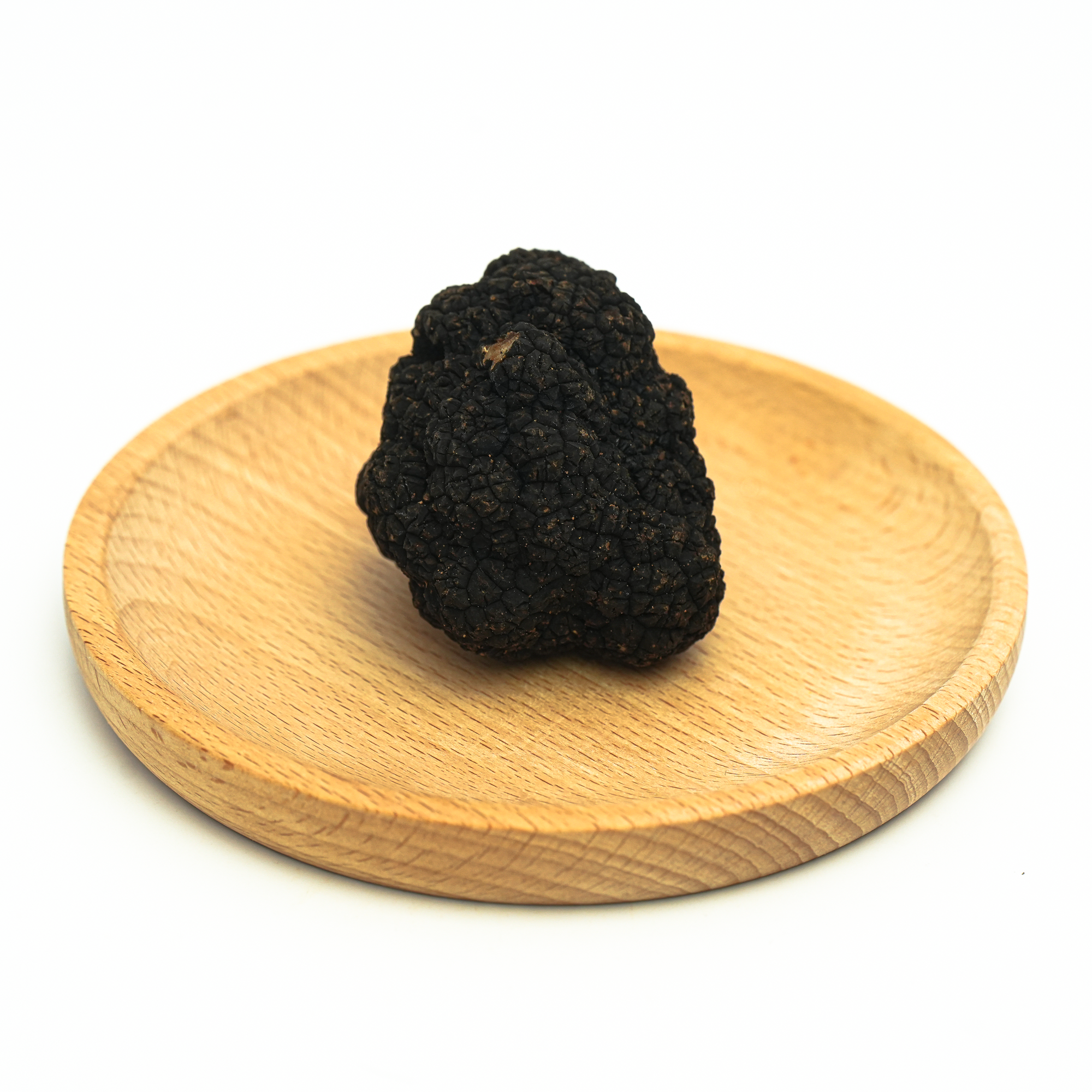
Perigord Black Truffle: The Benchmark Origin in EU Gastronomy and Trade
Why Tuber melanosporum commands premium pricing and regulatory protection across France
The black truffle known as Tuber melanosporum makes up around two thirds of the EU market by value according to FMI data from 2025, largely because chefs and food lovers consider it the gold standard in gourmet cuisine. Truffle hunters in France can charge three to four times what other regions ask for their product thanks to several factors. First, these truffles grow best in specific conditions found mainly in certain parts of France. Second, there simply aren't many of them to begin with. And third, generations of experience have gone into finding and harvesting them properly from those famous limestone soils in Périgord. Counterfeiting is a big problem though. Recent EU checks showed that nearly 30% of truffles labeled as coming from France actually came elsewhere. That's why strict rules exist to protect genuine French truffles. These include special certification processes, genetic testing to confirm origin, and even soil samples taken from where they were found to verify authenticity.
How AOC/PGI frameworks in Dordogne, Vaucluse, and Provence reinforce origin authenticity
The Appellation d'Origine Contrôlée (AOC) and Protected Geographical Indication (PGI) systems create enforceable, science-based standards across key regions:
| Region | Certification | Authentication Mechanism |
|---|---|---|
| Dordogne | AOC Périgord | Microsatellite soil analysis + harvest documentation |
| Vaucluse | PGI Ventoux | Volatile compound profiling against regional benchmarks |
| Provence | PGI Alpes-de-Haute-Provence | Geotagged harvest locations with blockchain traceability |
These frameworks mandate annual audits of mycological characteristicsâincluding spore size, aroma intensity, and melanin concentrationâto prevent substitution. Certified origins achieve 98% buyer confidence in EU wholesale markets versus 61% for non-certified lots (DGCCRF 2023), directly supporting terroir integrity and curbing the estimated â¬150M annual counterfeit trade.
Italy and Spain: Competitive Black Truffle Origins Gaining EU Market Share
Umbrian and Piedmont black truffle exports: Terroir-driven quality and rising CAGR
Exports of Italian black truffles from Umbria and Piedmont have been growing steadily at around 7% per year according to the Truffle Market Report for 2023. What makes these regions stand out? The volcanic soil in Umbria combined with the unique Alpine climate conditions in Piedmont creates truffles with distinct scent profiles that food scientists actually back up through research. Farmers there are practicing sustainable harvesting methods and running certified forest plantations, which together now yield about 35 metric tons each year. No wonder top chefs at Michelin-starred restaurants in Germany and all over Scandinavia keep coming back for truffles from these areas specifically. Some of the best known establishments in Copenhagen and Berlin have made these Italian truffles a staple ingredient in their signature dishes.
Teruelâs IGP-certified black truffles: Regulatory differentiation and harvest discipline
The Teruel region in Spain has adopted IGP (Protected Geographical Indication) certification which helps them control when crops are harvested, set quality standards, and promote sustainable gathering methods. These regulations actually help keep prices competitive around 900 to 1,300 euros per kilogram, which is cheaper than similar products from France with their PDO labels, yet still maintains good quality throughout. Farmers there manage water carefully in these dry areas, so they consistently get about 45 tons each year. This reliability means restaurants across Europe buy quite a bit from them too, roughly 18% of what's needed for dining establishments. The combination of steady production volumes and efficient transport logistics really gives Teruel an edge in the market.
Emerging Black Truffle Origins: Bulgaria, Morocco, and Serbia Enter EU Supply Chains
Bulgariaâs certified Tuber melanosporum plantations: Compliance with EU phytosanitary standards
Bulgarian producers have become reliable suppliers of black truffle (Tuber melanosporum) to European Union markets thanks to their certified plantations that follow strict phytosanitary standards. The farms comply with every EU regulation for imports, including proper soil sterilization methods and complete tracking of products from farm to market. Growers also work with the region's naturally rich calcareous soils and implement smart irrigation systems to maintain quality. Since 2020, production levels have been rising steadily at around 15% each year. This growth rate helps Bulgarian farmers avoid paying those hefty 23% import taxes that apply when goods come from countries not meeting EU standards. As a result, Bulgarian truffles are becoming increasingly competitive in European markets.
North African and Balkan origins: Commercial traction despite absence of PDO status
Morocco and Serbia are making waves in the EU black truffle market even though they don't have PDO certification. Their main advantage comes from lower prices, often around 40% cheaper than those fancy PDO labeled truffles, plus their truffles stay fresh longer during the season. Serbia has become pretty significant in this space, accounting for roughly 8% of all truffle exports coming out of Eastern Europe these days. Meanwhile, Moroccan producers benefit from being right next door to major European markets, which means less time spent in transit and fewer losses from spoilage along the way. Many distributors are starting to mix these non-PDO truffles into their mid-range product offerings. This approach makes high quality truffles more accessible to consumers who still want good taste and aroma but aren't willing to pay premium prices for official certifications.
Commercial Alternatives: How Summer and Burgundy Black Truffles Support EU Volume Demand
Tuber aestivum and T. uncinatum as scalable, seasonally complementary black truffle sources
The summer truffle (Tuber aestivum) and its cousin the burgundy truffle (Tuber uncinatum) help bridge those annoying gaps in European markets when nothing else is available. These truffles typically start appearing in May and keep coming through autumn months, which nicely fills the void left by the winter black truffle (T. melanosporum). What makes these varieties special is that they don't need such precise soil conditions as their pricier counterparts. Farmers can actually grow them pretty widely throughout southern Europe without needing those rare combinations of oak trees and limestone soils. Many chefs and food companies have started using these truffles instead of the expensive winter ones because they cost between half to three quarters less money. And despite being cheaper, they still work great in all sorts of dishes like truffle oil, pasta sauces, or just sprinkled over risotto. This price point means even restaurants that aren't five star Michelin places can offer authentic truffle flavors on their menus, while regular shoppers at grocery stores get to enjoy something that once seemed only for the wealthy.
FAQs
What makes Perigord black truffles so valuable?
Perigord black truffles, or Tuber melanosporum, are highly valued due to their rarity, unique growth conditions in specific French regions, and generations of expertise in harvesting them. Their flavor and aroma make them a gourmet staple, leading to premium pricing.
How does certification help in authenticating black truffle origins?
Certification systems like AOC and PGI in France use scientific methods such as soil analysis and genetic testing to verify the origin of truffles, thus preventing counterfeiting and ensuring genuine products.
How do Italian and Spanish truffles compare in the market?
Italian and Spanish truffles are gaining EU market share due to strong terroir-driven qualities and competitive pricing, with regions like Umbria, Piedmont, and Teruel becoming key players. Their distinct scent profiles and sustainable practices make them popular among chefs.
Are there emerging markets for black truffles?
Yes, countries like Bulgaria, Morocco, and Serbia are entering the EU truffle supply chain. While some lack PDO certification, they offer cost-effective alternatives and have become significant suppliers due to competitive pricing and proximity to European markets.
Table of Contents
- Perigord Black Truffle: The Benchmark Origin in EU Gastronomy and Trade
- Italy and Spain: Competitive Black Truffle Origins Gaining EU Market Share
- Emerging Black Truffle Origins: Bulgaria, Morocco, and Serbia Enter EU Supply Chains
- Commercial Alternatives: How Summer and Burgundy Black Truffles Support EU Volume Demand
- FAQs