 EN
EN

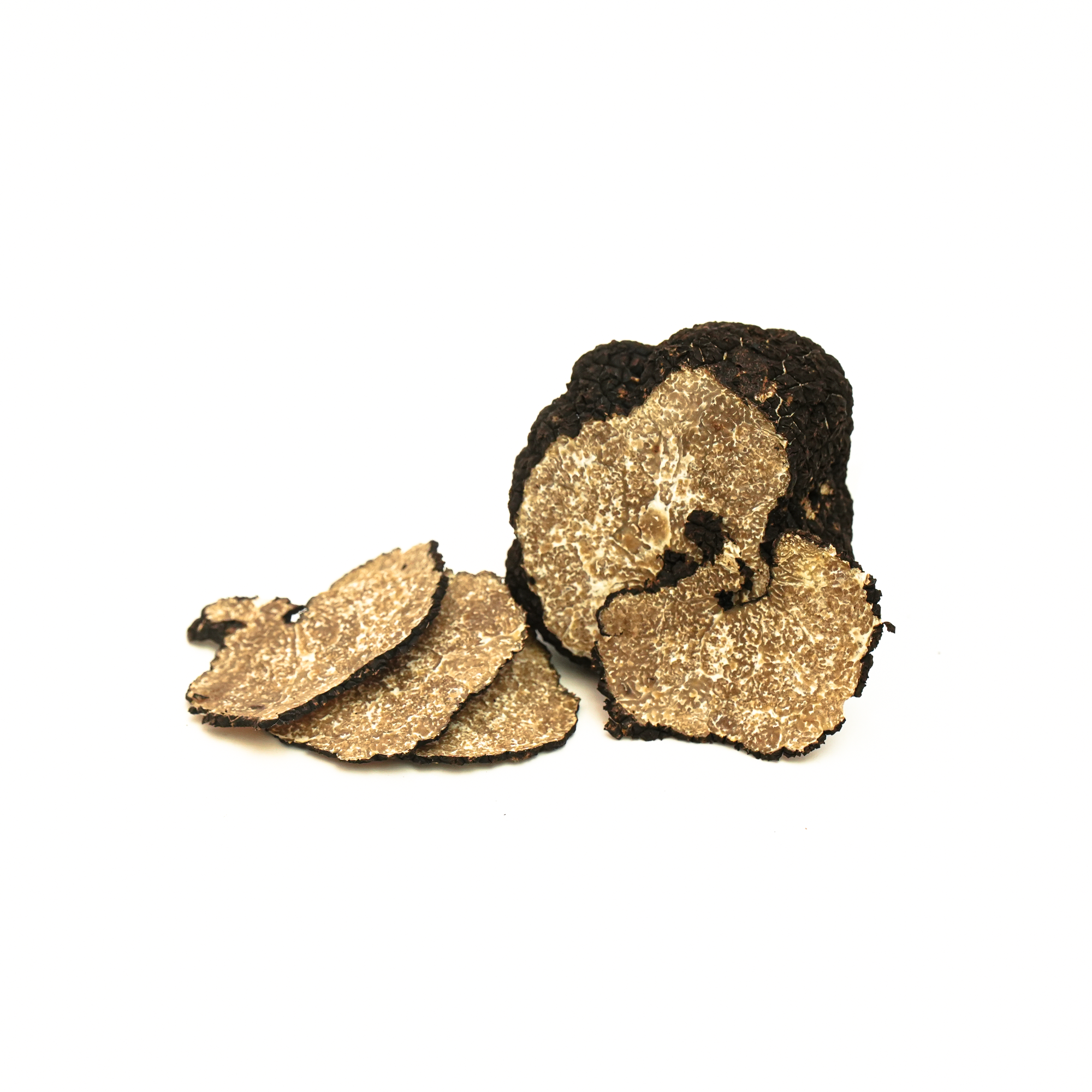
Why Origin-Direct Sourcing Is Essential for Black Truffle Freshness
Enzymatic Decay Begins Within 24–48 Hours Post-Harvest
Once harvested, black truffles start breaking down enzymatically pretty quickly. Studies show around 40% of those important aroma compounds disappear within just two days according to some GC-MS tests from last year. What happens next is interesting too. The breakdown actually speeds up mitochondrial activity inside the truffle, which then starts eating away at sugars and fats stored there. And let's not forget about that thin wax layer on the outside. It doesn't do much to stop oxidation really. Farmers who chill their truffles right at the source see way better results though. Refrigeration cuts down decay rates by roughly three quarters when compared to just leaving them out in normal conditions as found in research published by Phong and colleagues back in 2022. This cold treatment helps maintain those tiny cells that give truffles their signature texture.
VOC Degradation in Non-Origin-Direct Black Truffles: Evidence from Périgord vs. Air-Freighted Samples
Truffles shipped by air tend to lose more volatile organic compounds (those aromatic molecules that give them their distinctive smell) because they spend so much time in transit. When Périgord truffles are processed within four hours of harvest, they keep about 90% of their earthy scent. But wait even just 12 hours and that drops down to around half what it was originally according to some tests from 2020. The problem with flying these delicate fungi is all those changes in temperature, moisture levels, and constant contact with oxygen during the journey. These conditions mess with the enzymes inside the truffle, sometimes causing damp spots or making them dry out completely, plus speeding up the breakdown of those precious aroma compounds. Smart growers have started harvesting at night when temperatures are cooler and packing them in chilled containers right away. This approach seems to work pretty well too, cutting customer complaints about poor quality by roughly two thirds among high end exports based on logistics reports from Europe in 2024.
Optimal Refrigeration Conditions for Fresh Black Truffle Storage
The 1–2°C sweet spot: Balancing aroma retention and enzymatic stability
Keeping black truffles between 1 and 2 degrees Celsius with around 90 to 95 percent humidity is pretty much essential if we want to maintain their complex aroma and delicate cell structure. Studies show that storing them within this tight temperature window actually reduces enzyme breakdown by about 83% compared to letting them sit at normal room temperatures according to Phong's work back in 2022. Plus, it keeps them from getting damaged when frozen below zero. If we accidentally bump up the temperature by just 2 degrees to 4°C, those special earthy flavors start breaking down faster too. Research published in Food Chemistry last year found a 23% acceleration in the loss of these terpene alcohols which give truffles their distinctive smell. When stored properly at 1-2°C, truffles only lose about 7% of their weight after ten days, whereas they shed 12% at the higher temperature. This matters because losing too much moisture causes starches to turn into sugars, changing how they taste. Special packaging with tiny holes lets air circulate but stops them from drying out completely, allowing chefs in professional kitchens to work with fresh truffles for roughly 10 to 14 days before quality drops off significantly.
Moisture Management Strategies to Preserve Black Truffle Aroma and Texture
Avoiding condensation and desiccation: Dual threats to black truffle integrity
Maintaining 90% relative humidity (RH) prevents both desiccation and condensation risks in black truffle preservation. Desiccation shrivels the prized peridium (outer skin), cracking aroma-containing glands, while condensation accelerates microbial growth. Advanced plant-based moisture controllers outperform traditional silica gel, extending firmness retention by 25% during refrigerated transport (Cold Chain Efficacy Study 2024).
To clean or not to clean? Protecting the peridium while minimizing microbial risk
Cleaning just before actual use helps cut down on moisture problems. Using a brush with soft bristles gets rid of about 89 percent of dirt particles without needing any water contact. When washing becomes unavoidable, here's what works best: run cold water over the item for no more than thirty seconds, then gently blot dry with those unbleached paper towels everyone keeps around. Finish off by letting it air dry on metal racks kept at around four degrees Celsius for roughly eight to ten minutes. Following these steps cuts bacteria levels by nearly two thirds compared to cleaning items before storing them away, according to research published last year in the Journal of Food Safety.
Why Freezing and Vacuum Sealing Damage Black Truffle Freshness
Freezing irreversibly compromises black truffle texture and aroma due to their high moisture content (75–80%). Ice crystal formation ruptures cell walls, causing structural collapse and up to 18% weight loss upon thawing. Sub-zero temperatures also degrade heat-sensitive volatile organic compounds (VOCs) like androstenone—the key molecule behind their signature earthy aroma.
When we seal truffles in a vacuum, we end up creating those bad anaerobic conditions nobody wants. Take away the oxygen and what happens? The bacteria already present start breaking down those precious truffle compounds into this really nasty smelling stuff called butyric acid. It just takes over all those lovely delicate aromas completely within about three days. What's worse is that this whole breakdown process speeds things up even more while locking in moisture which makes mold grow faster than normal. Combine freezing with vacuum sealing and suddenly those premium black truffles lose all their special characteristics that make them so valuable in fine dining circles.
FAQ
Why is refrigeration important for black truffles?
Refrigeration significantly slows down enzymatic decay and maintains the truffles' aroma and texture by reducing decay rates by up to three quarters.
What is the ideal storage temperature for black truffles?
Black truffles should be stored at 1–2°C with 90 to 95 percent humidity for optimal aroma retention and enzymatic stability.
Why should black truffles not be vacuum sealed?
Vacuum sealing creates anaerobic conditions that lead to the breakdown of truffle compounds into unpleasant smelling substances, ruining their aroma and texture.