 EN
EN

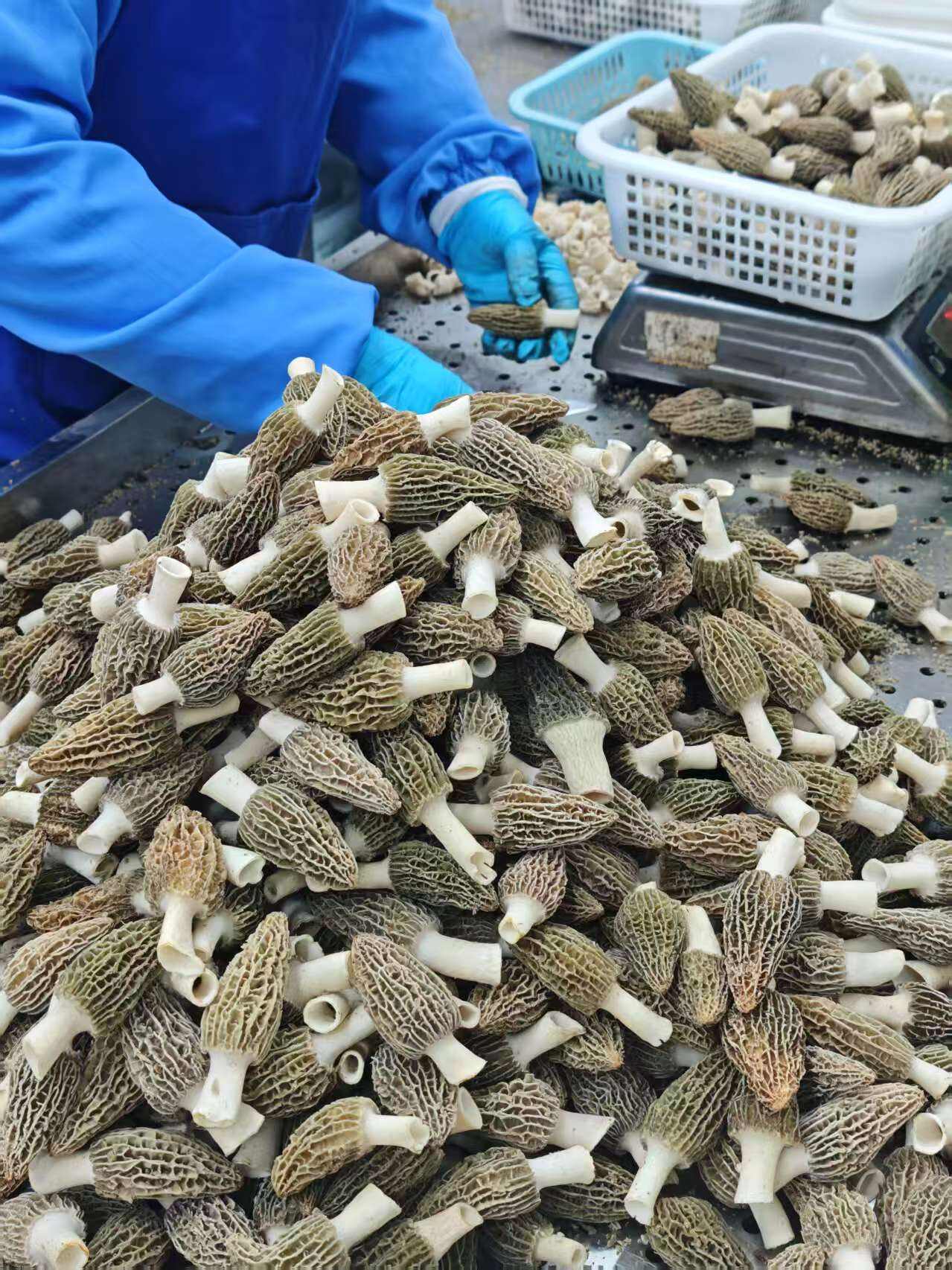
Why Morel Mushroom Texture Is Uniquely Vulnerable in Transit
Structural fragility: porous sponge-like tissue and high respiration rate
Morel mushrooms have this unique honeycomb look with lots of tiny pores throughout their spongy tissue. Unlike other foods, they don't have that waxy coating which protects against drying out. Because of this lack of protection, these mushrooms get dried out really fast and can be crushed easily even by gentle handling. To make matters worse, morels breathe at about twice the rate of regular veggies. This means they lose moisture quickly from inside, breaking down their cells over time. Even when stored properly in cool, moist conditions, they still struggle to maintain freshness for long periods.
Primary degradation drivers: moisture loss, mechanical bruising, and enzymatic browning
Three interrelated factors drive texture degradation during transit:
- Moisture loss: Evaporation through the porous cap can cause 8–12% weight reduction within 48 hours, resulting in irreversible shriveling and brittleness.
- Mechanical bruising: Compression from stacking or vibration fractures fragile cell walls, releasing intracellular enzymes that accelerate tissue breakdown.
- Enzymatic browning: Bruising activates polyphenol oxidase, triggering rapid discoloration and softening—often within hours.
These vulnerabilities demand packaging strategies specifically engineered for morels—not adaptations of standard produce protocols.
Modified Atmosphere Packaging (MAP) for Optimal Morel Mushroom Texture Retention
Target gas ratios (3–5% O₂, 10–15% CO₂) that slow softening without inducing fermentation
Getting the atmosphere right is really important for stopping food from going bad while also preventing problems caused by lack of oxygen. When we keep oxygen levels between 3 and 5 percent, it helps stop those enzymes that make fruits brown after cutting. At the same time, keeping carbon dioxide around 10 to 15 percent slows down bacteria growth and makes things last longer. These numbers come from years of testing done by agricultural researchers, including folks at places like the USDA Agricultural Research Service. Going over 20% CO2 can actually damage cells and ruin texture, while getting under 2% oxygen starts creating strange tastes and promotes rotting conditions. Real world tests show that when these gas levels are properly balanced, products lose only about 38% less weight during transport and stay firm for the full 14 days they need to reach markets across country.
Microperforated films vs. standard PE: balancing gas exchange and condensation control for Morel Mushroom freshness
What kind of material we use really determines if modified atmosphere packaging works properly. Regular polyethylene doesn't let gases pass through easily and keeps moisture trapped inside, which speeds up the formation of cap slime on products. And that slime is basically what starts the whole process leading to bad texture in packaged foods. On the flip side, these special microperforated films with tiny holes cut by lasers (about 50 to 200 micrometers in size) allow oxygen and carbon dioxide levels to balance out naturally without letting condensation form inside the package. Research published in scientific journals actually backs this up, showing that...
| Property | Microperforated Films | Standard PE |
|---|---|---|
| Moisture Retention | 94% ± 2 | 87% ± 3 |
| Respiration Rate | Reduced 55% | Reduced 32% |
| Condensation Incidence | 10% of shipments | 65% |
This controlled permeability safeguards the mushroom’s fragile sponge-like architecture during transport vibration and compression.
Active Humidity Management to Maintain Morel Mushroom Surface Integrity
Hygroscopic pads and humidity-buffering liners: field-proven reduction in weight loss and cap cracking
Morels tend to lose around 6 to 9 percent of their moisture every hour when stored at room temperature because of their porous structure. This makes controlling humidity levels absolutely essential for anyone handling these delicate mushrooms. The solution? Hygroscopic gel pads that soak up extra condensation when things get cool and then slowly release moisture back into the air during drier times. These pads help maintain the ideal humidity between 90 and 95 percent, which keeps those prized caps from cracking and limits the growth of unwanted microbes. Tests conducted at several major distribution centers throughout North America found that using cellulose-based liners instead of regular packaging materials reduced weight loss by an impressive 42%. Combine these liners with specially designed microperforated films and the results are even better. Logistics companies report a 31% drop in damage claims during transportation, based on independent audits of produce handling practices.
Packaging Best Practices Specifically Validated for Morel Mushroom Transit
Packaging protocols supported by actual research really help keep morels intact all through their journey from farm to table. According to findings from a 2023 paper in the Journal of Food Engineering, when we combine special humidity control liners that maintain around 90 to 95 percent relative humidity with those microperforated modified atmosphere packaging films, we get mushrooms that last about 15 days on shelves without losing more than 5% of their weight. What makes these systems work so well? They tackle the main problems head on cap cracking happens when moisture escapes, and tissue gets mushy because too much carbon dioxide builds up inside the package. When companies actually put these methods into practice across 12 different regional distribution centers, they saw something pretty impressive shipment rejections dropped by 32%, and mushrooms stayed fresh for an extra 8 days at stores. The best part? These weren't just tested in controlled labs but also worked under real world conditions like fluctuating temperatures during transport, pressure from stacked pallets, and complicated delivery routes that involve multiple stops before reaching consumers.
FAQ Section
Why do Morel mushrooms lose moisture so rapidly?
Morel mushrooms have a sponge-like texture with many tiny pores, which leads to quick moisture evaporation, especially when not protected by a waxy coating like other foods.
What gas ratios are ideal for Modified Atmosphere Packaging of Morel mushrooms?
A balance of 3–5% oxygen and 10–15% carbon dioxide is ideal for slowing down degradation processes without inducing fermentation.
How do microperforated films support Morel mushroom freshness?
Microperforated films allow for balanced gas exchange and prevent condensation, thereby maintaining the mushrooms' structural integrity during transit.
Why is active humidity management crucial for Morel mushrooms during transportation?
Maintaining humidity between 90 and 95% using hygroscopic pads helps reduce mushroom weight loss and prevents cap cracking and microbial growth.
What benefits do validated packaging practices offer for Morel mushrooms?
When employing research-supported packaging methods like humidity control liners and microperforated films, companies see reduced shipment rejections and extended shelf life by up to 15 days.