 EN
EN

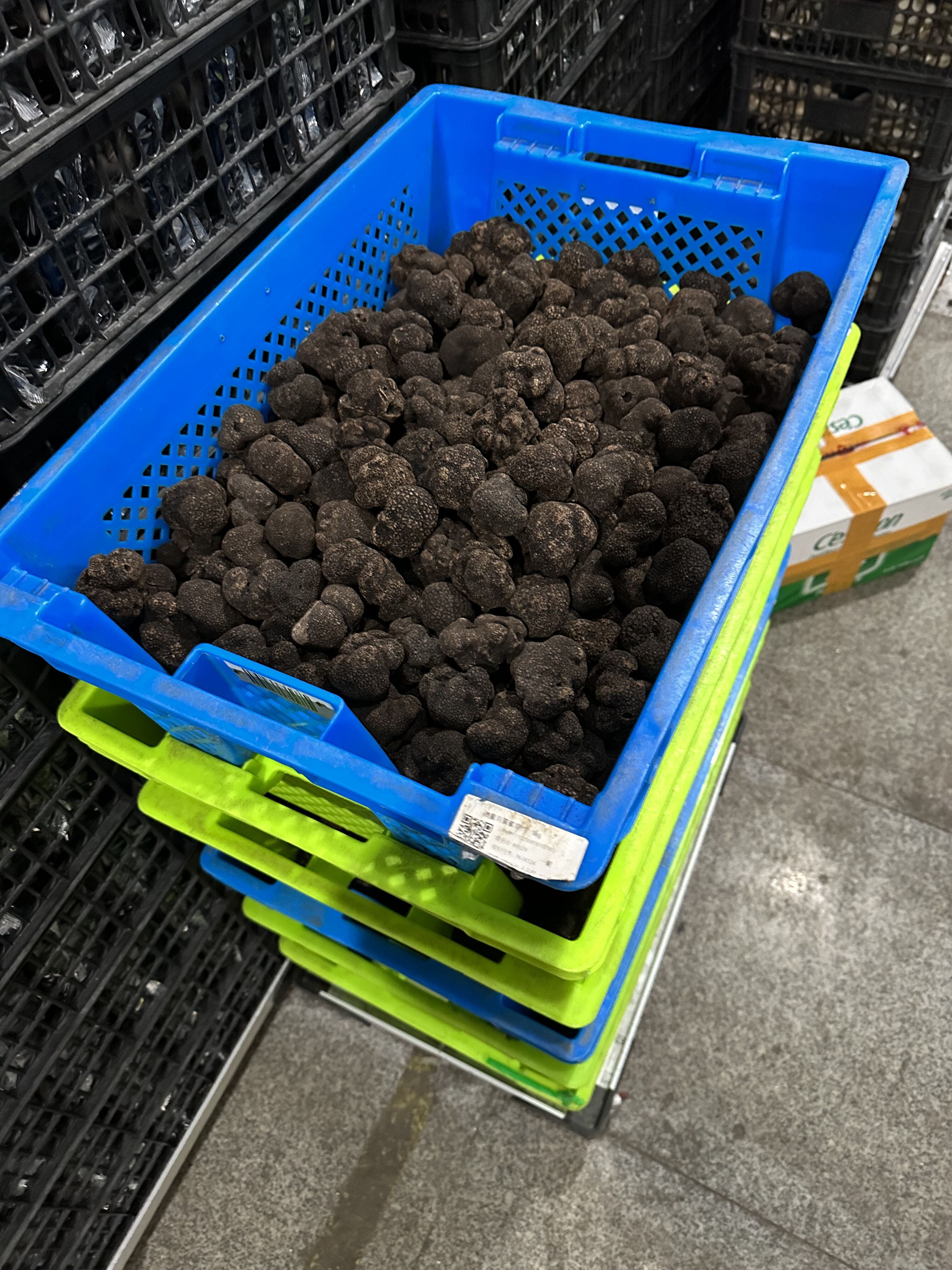
Why Authentic Black Truffle Matters for Professional Kitchens
The Culinary and Economic Impact of Adulterated or Mislabelled Black Truffle
Substituting authentic black truffle (Tuber melanosporum) with lower-value species like Tuber indicum undermines both culinary excellence and financial performance. A 2023 European Food Fraud Network study found that 23% of commercial truffle products were mislabelled, leading to tangible consequences for professional kitchens:
- Flavor degradation: Imitation truffles lack the nuanced, earthy complexity essential for high-end dishes
- Cost inflation: Premium pricing for inferior product erodes profit margins
- Compliance risks: Serving mislabelled ingredients violates food labelling regulations in 34 countries
With the average food fraud incident costing over $740k (Ponemon 2023), verification is no longer optional—it’s a critical component of risk management and cost control.
Terroir, Seasonality, and Flavor Integrity: What Defines True Black Truffle Quality
Authentic black truffle quality depends on three irreplaceable factors:
- Protected terroir: True Périgord truffles develop their signature aroma only in the limestone-rich soils of southwest France
- Seasonal harvesting: Peak flavor occurs during the natural harvest window (November–March). Off-season “fresh” truffles often indicate preservation or species substitution
- Marbling integrity: Genuine specimens display dense white veining against a jet-black interior—a hallmark confirmed through DNA testing
Together, these elements create the deep umami richness chefs rely on. Any compromise diminishes the Protected Designation of Origin (PDO) value that justifies premium pricing and ensures culinary consistency.
Top Global Sources of Authentic Black Truffle by Region and Certification
France & Spain: PDO-Protected Périgord and Certified Spanish Tuber melanosporum
The Périgord region in France still holds top spot when it comes to black truffles, thanks to its Protected Designation of Origin status that guarantees where they come from and how good they really are. Spain isn't far behind though, churning out around 80 tons each year right here in Teruel province through their strict quality checks. What both areas share are those limestone-rich soils mixed with oak trees and hazelnuts growing together naturally. These conditions create truffles packed with deep aromas and complex flavors that chefs across Europe fight to get into their dishes. The difference between average truffles and these premium ones is night and day for anyone working in a serious kitchen.
Italy, Australia, and Emerging Producers: Verification Standards vs. Volume Claims
The Umbria and Piedmont areas of Italy are known for their fragrant truffles that have a subtle sweet note, but buyers need to be careful since there's still no consistent way to verify authenticity. Down under in Australia, farmers have started cultivating truffles in controlled environments which could mean longer availability throughout the year. However, these Aussie truffles just don't carry the same weight when it comes to soil character that European ones do. Anyone looking at new truffle sources should focus on finding suppliers who can track each batch and offer independent DNA tests instead of being swayed by promises of massive quantities. Black truffles alone account for around two thirds of all truffle sales worldwide according to Future Market Insights from 2025, so getting reliable sources matters a lot for chefs wanting quality ingredients and businesses trying to protect their bottom line.
How to Verify Authentic Black Truffle—Practical Tools for B2B Buyers
Sensory Evaluation: Aroma, Marbling, and Texture Cues That Signal Genuine Black Truffle
Real black truffles have this amazing earthy smell that reminds people of walking through a damp forest after rain, mixed with something almost musky. When looking inside, check for those distinct white veins running through the dark brown or black center. They need to look solid but not too hard either. If it feels rubbery or completely dry and crumbly, chances are it's not authentic. Fake ones tend to smell flat or even a bit chemical, which is definitely a warning sign. Experts at Food Fraud Analysis found this out back in 2020 when they tested hundreds of samples across different markets.
Documentation Checks: PDO Labels, Batch Traceability, and Third-Party DNA Verification
Beyond sensory assessment, demand verifiable documentation. Prioritize suppliers who provide:
- PDO certification for Périgord truffles, confirming geographic origin
- Batch-specific traceability, enabling verification of harvest date and farm source
- Third-party DNA reports using PCR-based testing, which identifies species substitution with 99% accuracy
These tools collectively counteract the 20% of truffle products mislabelled annually. Cross-referencing documentation with sensory evaluation ensures definitive authentication.
Trusted B2B Channels to Source Fresh Black Truffle Year-Round
In professional kitchens, getting reliable access to top quality black truffles isn't easy without working with specialty distributors who really know what they're doing when it comes to verifying authenticity and keeping things cold all the way through delivery. The best chefs often go straight to source by partnering directly with trusted growers or farming collectives, which gives them rock solid traceability back to where the truffles actually came from. These relationships usually come with detailed records about when and where each batch was harvested, sometimes even including DNA testing results for extra assurance. To keep truffles available throughout the year, major suppliers have figured out how to balance different growing seasons around the world. They bring in European truffles during their November to March window, then switch to Australian supplies between June and August, while also watching out for new areas coming online that can fill in any gaps. What makes all this possible is maintaining strict temperature controls during shipping - somewhere between 2 and 8 degrees Celsius with humidity levels kept high at around 85-95%. This careful handling protects those delicate aromatic oils that give truffles their unmistakable earthy scent and intense flavor profile when they finally reach the kitchen.
FAQ
Why is it important to verify the authenticity of black truffles?
Verifying authenticity prevents flavor degradation, cost inflation, and compliance risks from mislabelled products. It ensures culinary excellence and protects financial performance.
What factors determine the quality of black truffles?
Quality is defined by protected terroir, seasonal harvesting, and marbling integrity, which determine the aroma, flavor, and authenticity of the truffle.
Which countries are known for producing high-quality black truffles?
France and Spain are renowned for PDO-protected and certified black truffles, with significant contributions also from Italy and Australia.
How can buyers verify the authenticity of black truffles?
Buyers should conduct sensory evaluations and demand verifiable documentation, such as PDO labels, batch traceability, and third-party DNA verification.
Who should I partner with for reliable black truffle sourcing?
Partner with specialty distributors and trusted growers or farming collectives that offer traceability, proper handling, and documentation for year-round access to authentic black truffles.
Table of Contents
- Why Authentic Black Truffle Matters for Professional Kitchens
- Top Global Sources of Authentic Black Truffle by Region and Certification
- How to Verify Authentic Black Truffle—Practical Tools for B2B Buyers
- Trusted B2B Channels to Source Fresh Black Truffle Year-Round
-
FAQ
- Why is it important to verify the authenticity of black truffles?
- What factors determine the quality of black truffles?
- Which countries are known for producing high-quality black truffles?
- How can buyers verify the authenticity of black truffles?
- Who should I partner with for reliable black truffle sourcing?