 EN
EN

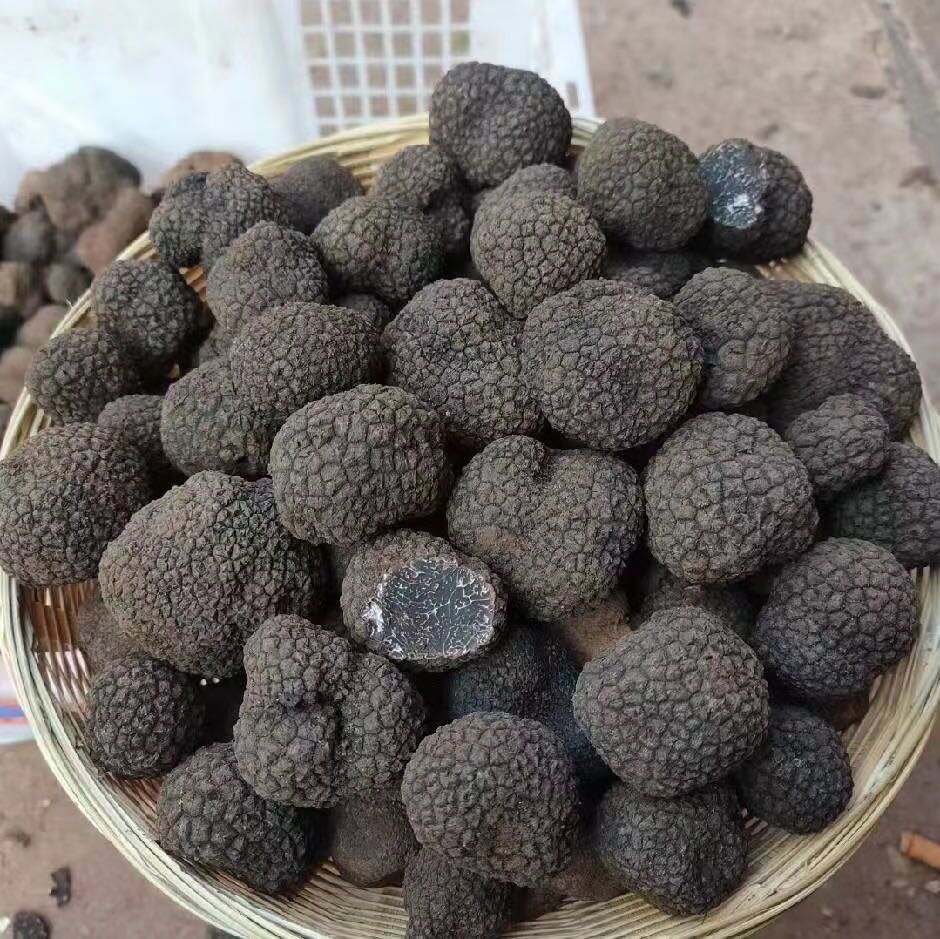
Global Demand for Black Truffle and Export Challenges
Rising Popularity of Black Truffle in International Gourmet Markets
According to a Future Market Insights report from 2025, black truffles control around two thirds of the global gourmet fungi market these days. Chefs love them for that deep, earthy flavor they bring to fancy dishes, and food companies keep coming out with new products featuring truffles. We've seen a pretty big jump too - about 22% more truffle products hitting shelves since 2022 as regular folks start buying up these luxury items at stores and online. But there's a problem on the horizon. Climate changes are messing with truffle harvests all over the world. Take Italy for instance where production fell by 40% back in 2020. This shows just how fragile our supply chains really are when everyone wants truffles but nature doesn't always cooperate.
Export Growth Trends From Major Black Truffle-Producing Regions
The big European players France, Spain and Italy are keeping up their black truffle exports at around 7.7% growth each year, thanks to generations of know-how passed down through families who've been cultivating these prized fungi for centuries. On the other side of the world, Australian growers are making waves too. Their new truffle farms have cut down shipping time to Asia by about 30% because they figured out smarter ways to get their cargo on planes faster. But there's still plenty of hurdles ahead. Nearly 6 out of 10 exporters run into trouble getting those pesky phytosanitary certificates sorted, which can really slow things down. And then there's the whole issue of spoilage losses. For every ton that gets damaged or goes bad during long haul flights across continents, the industry loses roughly $120 worth of product. Not great when you're dealing with something so delicate and valuable.
Meeting International Freshness, Quality, and Traceability Standards
Many exporters are turning to blockchain technology for tracking products through the supply chain as they try to comply with stricter EU regulations on mycotoxins (now capped at 2 ppm) and get those coveted USDA Organic labels. The introduction of real-time humidity monitoring inside packaging boxes has cut down spoilage problems by about 18 percent since early 2023. Still, most small-scale operations just don't have what it takes to meet all those IoT requirements. We haven't seen any real progress on standardizing quality grades either. A recent survey found that nearly one third (around 34%) of Asian importers complain about varying product quality when receiving goods from Europe. This inconsistency continues to hurt chances of getting paid top dollar for specialty items.
Cold Chain Requirements for Preserving Black Truffle Quality
Optimal Temperature and Humidity Levels for Black Truffle Storage
Keeping black truffles between 1 and 4 degrees Celsius with around 85 to 95% humidity makes all the difference in their preservation. The temperature needs to stay within this tight window because it helps slow down those chemical breakdown processes while also keeping them safe from freezing if they drop below zero. When stored properly in controlled environments, these precious fungi only lose about 2% of their weight each week, which is dramatically better than the 8 to 12% loss seen when storage conditions aren't right. If truffles sit for more than three days at temperatures over 7 degrees Celsius, something happens to their aroma compounds. They start evaporating away at roughly double the normal rate, and this really changes how good the truffles taste and smell overall.
Refrigerated Transport Conditions to Maintain Truffle Freshness
Temperature-controlled logistics require specialized equipment maintaining 2–5°C throughout transit. Vacuum-cooled vehicles extend freshness windows by 60% compared to standard reefers. Key protocols include pre-cooling containers to 3°C before loading, minimizing temperature fluctuations to within ±1.5°C during transfers, and limiting door openings to less than 12 seconds during inspections.
Moisture Control and Advanced Packaging Techniques to Prevent Spoilage
Microperforated polyethylene films maintain optimal gaseous exchange while preventing condensation—responsible for 34% of shipment losses. Leading exporters combine this with activated carbon liners to absorb ethylene, phase-change materials to stabilize temperatures, and dual-layer vacuum sealing that reduces oxygen exposure to less than 0.5%.
Proven Cold Chain Models in Black Truffle Exporting Countries
France and Italy: Regulated protocols for fresh black truffle export
European exporters maintain 98% quality retention through standardized cold chain protocols. France's 2024 European Truffle Export Standards mandate temperatures between -1.5°C and 0°C with 85–90% humidity during transport—23% stricter than general perishable food guidelines. Italy's "Tartufo Fresco" certification requires GPS-tracked refrigerated trucks and three-stage cleaning processes before international shipments.
Australia’s emerging cold chain practices for black truffle shipments
Australian exporters achieve 95% freshness retention using vacuum-sealed packaging and -2°C storage. Real-time ethylene monitoring and blockchain-based traceability now cover 78% of shipments to Asia—a 40% increase since 2022.
Post-harvest handling impact on black truffle quality during distribution
The first 72 hours are critical: truffles cooled within four hours of harvest show 34% lower spoilage rates. ISO 23412:2023-certified facilities have reduced transit-related weight loss from 15% to 2.8% through automated humidity control. The European Union mandates harvest-to-cooling time stamps on 92% of commercial shipments to ensure accountability.
Innovations Enhancing Freshness in Black Truffle Logistics
Advanced Packaging Technologies for Extended Shelf Life
Vacuum-sealed containers and biodegradable moisture-regulating films extend black truffle shelf life to up to 21 days. These technologies maintain 90–95% relative humidity and reduce oxygen exposure, preserving texture and reducing microbial growth by 40% when infused with plant-based antimicrobial agents.
Modified Atmosphere Packaging (MAP) in Black Truffle Cold Chain
MAP systems regulate oxygen (1–3%) and carbon dioxide (5–8%) levels, slowing enzymatic reactions that degrade aroma. This method preserves the black truffle’s signature earthiness 34% more effectively than standard refrigeration. By creating nitrogen-enriched environments, MAP also inhibits bacterial proliferation during common temperature fluctuations in long-distance transit.
Real-Time Monitoring of Temperature and Humidity in Transit
IoT sensors monitor shipments at regular intervals, typically every 15 minutes, and send alerts when temperatures go outside the safe window of minus 2 degrees Celsius to plus 2 degrees. According to market research published last year, companies using these smart tracking systems see about a 28 percent drop in spoiled goods compared with old fashioned manual temperature checks. The cloud-based platforms also generate detailed reports verified through blockchain technology, which helps meet those strict traceability standards required by both European Union regulations and USDA guidelines for exporting high quality mushrooms and other specialty fungi products.
Strategies to Optimize Black Truffle Cold Chain Export Efficiency
Balancing Fresh Shipment vs. Frozen Storage for Long-Term Black Truffle Preservation
When it comes to exporting truffles, exporters face a tough decision between fresh and frozen storage options depending on what the market demands. Fresh truffles stored around 2 to 4 degrees Celsius work best for high-end culinary applications, though they won't stay fresh for long periods. Typically these can only last about 10 to 14 days before quality drops off, which means expensive air freight is needed for international shipping across continents. On the other hand, freezing at minus 18 degrees Celsius keeps them preserved much longer, anywhere from 8 to 12 months. However there's always that risk of ice crystals forming inside during freezing that can damage texture and flavor. According to research published in 2023 by the International Mycological Society, vacuum sealed frozen truffles managed to keep about 83 percent of their volatile organic compounds intact after being thawed slowly at 4 degrees Celsius for a full day.
| Method | Temp Range | Shelf Life | Aroma Retention* | Best Use Case |
|---|---|---|---|---|
| Fresh | 2–4°C | 10–14 days | 100% | Premium restaurant sales |
| Frozen | -18°C | 8–12 months | 76–83% | Processed goods/off-season supply |
| *Source: Journal of Food Engineering 2024 |
Designing Efficient Supply Chains to Minimize Time in Cold Chain
Good planning helps keep perishables fresh by minimizing their time in the cold chain. Farmers who coordinate picking times with immediate refrigerated shipping see better results. Setting up cooling stations close to where crops are grown makes sense too. And now many companies are adopting smart containers that send warnings when temperatures fluctuate. Looking at some recent studies from 2023, France saw impressive improvements when harvests matched transport schedules almost perfectly cutting down cold storage time by nearly 40%. Add to this mix the special packaging that maintains oxygen levels around 30% while nitrogen fills most of the space inside, and things get even better. Tests done in Australia showed such combinations reduced bacteria growth by over half and complaints from overseas customers dropped by about a fifth. These practical steps make all the difference in keeping produce fresh during long journeys across borders.
FAQ
Why are black truffle storage conditions so crucial?
Proper storage conditions help preserve the quality and aroma of black truffles by minimizing spoilage and weight loss. It relies on maintaining specific temperatures (1-4°C) and humidity levels (85-95%) to slow down chemical breakdown processes.
What are the main challenges faced by black truffle exporters?
Exporters face challenges like obtaining phytosanitary certificates, managing spoilage losses, and meeting international standards for quality and freshness during long-distance transport.
How does blockchain technology improve black truffle exports?
Blockchain technology allows for enhanced traceability and tracking through the supply chain, ensuring compliance with regulations and maintaining product quality by providing real-time information.
What are some innovations enhancing black truffle logistics?
Innovations include advanced packaging technologies, modified atmosphere packaging (MAP), real-time monitoring of temperature and humidity, and the use of IoT sensors to reduce spoilage and maintain truffle quality during transport.
Table of Contents
- Global Demand for Black Truffle and Export Challenges
- Cold Chain Requirements for Preserving Black Truffle Quality
- Proven Cold Chain Models in Black Truffle Exporting Countries
- Innovations Enhancing Freshness in Black Truffle Logistics
- Strategies to Optimize Black Truffle Cold Chain Export Efficiency