 EN
EN

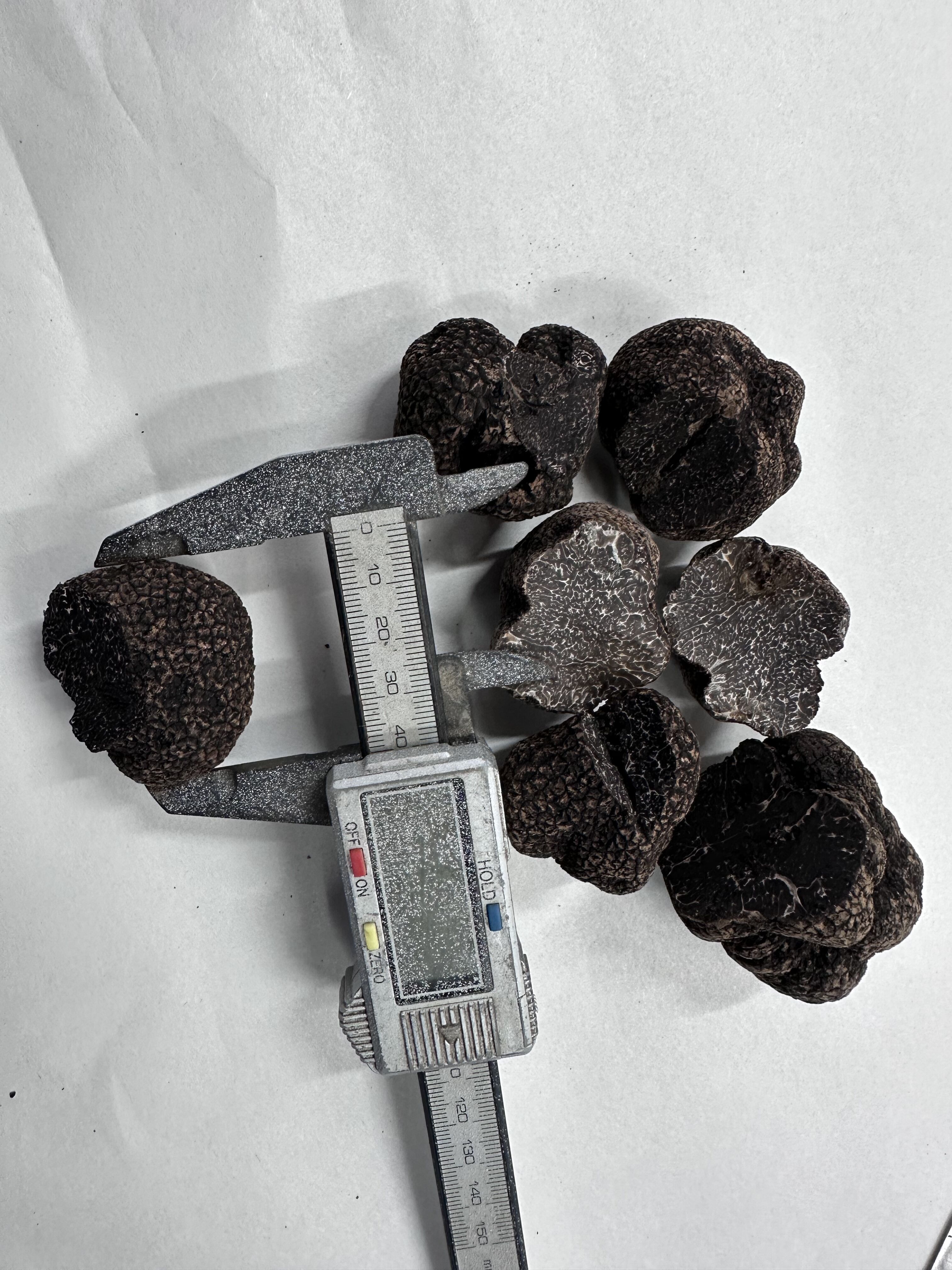
Tuber melanosporum: The Gold Standard Black Truffle for Premium Catering
Aroma, texture, and culinary impact of the winter black truffle
The black truffle, Tuber melanosporum, is considered the gold standard in fine dining circles because of its incredibly complex scent profile. Think about that deep muskiness mixed with earthy tones, plus subtle notes of chocolate and garlic that make it stand out compared to those lighter summer truffles we see referenced in Food Chemistry back in 2010. What really matters though is how this truffle holds up when handled. The texture is firm enough that chefs can shave thin slices without crumbling, which creates that beautiful presentation effect that just doesn't happen with the more fragile Tuber aestivum variety. And here's something interesting: only about 5 grams per plate is needed to transform a meal for twelve people. Why? Because these truffles contain powerful volatile compounds such as dimethyl sulfide and androstenone. But there's a catch. These same compounds start breaking down quickly after harvesting, so getting fresh truffles to the kitchen at just the right moment becomes absolutely essential if restaurants want to showcase their true potential on the plate.
Authenticity verification and freshness indicators for professional buyers
Professional buyers rely on three key indicators to verify quality in Tuber melanosporum:
- Veining: Authentic specimens show fine, white marbling within a jet-black interior
- Texture: Firmness under gentle pressure signals proper hydration and freshness
- Aroma potency: A detectable, rich scent even through packaging at arm’s length
These precious truffles are only around from December through March, and they don't last long once harvested. Store them above 3 degrees Celsius and their quality drops off by about forty percent faster than normal, so keeping them chilled during transport is absolutely critical. If someone wants to be sure they're getting real truffles, good suppliers will show proof of when they were actually picked. Some companies even go the extra mile with independent DNA tests to catch anyone trying to pass off fake or mixed-up truffles as genuine ones. When shopping, watch out for truffles that smell like ammonia or have soft areas on them. Those are clear signs something's wrong either because they've gone bad or weren't handled properly after being dug up.
Tuber uncinatum & Tuber aestivum: Sustainable and Seasonal Black Truffle Alternatives
Comparing aroma intensity, shelf life, and cost-efficiency across black truffle varieties
Tuber melanosporum might have the strongest aroma around, but there are other black truffles worth considering for their practical benefits. Take Tuber uncinatum, also known as the Burgundy truffle. It has a nice balance of flavors and complexity, plus lasts about 2 to 3 weeks on the shelf, which makes it great when events run longer than expected. Then there's Tuber aestivum, or summer truffle, that brings a more delicate, nutty taste without breaking the bank. These can be roughly half the price of premium options, so they work well for bigger dishes where the truffle shouldn't overpower everything else. For chefs planning menus, these different types let them match what guests want, stay within budget limits, and handle storage issues properly. Most professionals find that Burgundy truffles strike just the right note between good flavor and being easy to work with in actual kitchen situations.
Culinary applications: When to substitute Burgundy or summer black truffles in catering menus
Burgundy truffles really shine when cooked into things like rich sauces, slow braises, or baked dishes because they hold up well to heat without losing their distinctive taste. Summer truffles have a lighter scent profile that works better in cold dishes such as fresh salads, tuna tartare, or as simple garnishes on top of dishes where they complement other flavors instead of overpowering them. Chefs often turn to these alternatives during months when winter truffles aren't available or when planning big events that need reliable supplies at predictable prices. Knowing when to swap one type for another helps keep menus interesting and luxurious feeling without breaking the bank or causing kitchen headaches during busy service times.
Seasonal Sourcing Strategy for Consistent Black Truffle Procurement
Implementing a seasonal framework is non-negotiable for reliable black truffle procurement in catering. Europe’s prime harvest runs November to March, with peak maturity in February, when 70–80% of Tuber melanosporum batches reach optimal ripeness. This narrow window demands proactive planning:
- Pre-season contracts with trusted foragers secure priority access
- Southern Hemisphere partnerships (Australia/Chile) extend supply to July–September
- Preserved formats (freeze-dried, infused oils) bridge seasonal gaps
Spreading operations across different hemispheres helps reduce the risk when bad weather causes crop yields to drop dramatically like what happens in Europe during wet winters where production can fall anywhere between 30 to 50 percent. Smart caterers plan their menus around when things grow best, saving those prized winter truffles for special dishes between December and February when they're at their finest, then switching to stored versions or other options when out of season. This strategy keeps food quality high without having to pay through the nose for expensive air freighted truffles that cost 40 to 60 percent more when they aren't naturally available anyway.
Economic Realities: Balancing Quality, Cost, and Supply Reliability in Black Truffle Purchasing
Black truffle sourcing involves navigating significant price volatility, with wholesale costs fluctuating up to 30% annually due to climate and harvest variability (Truffle Market Report 2023). Despite advances in cultivation, only 15% of Tuber melanosporum meets premium standards, intensifying competition for top-tier lots. Procurement teams must balance cost, quality, and reliability:
| Factor | Impact on Budget | Quality Consideration |
|---|---|---|
| Seasonality | Peak-season premiums (+40%) | Winter truffles offer superior aroma |
| Origin | Import tariffs add 8-12% | French Périgord truffles command highest prices |
| Storage | Cryo-preservation adds $120/kg | Freshness diminishes after 10 days |
Price volatility, cultivation trends, and their impact on catering budgets
Caterers looking to cut costs while maintaining quality often mix expensive black Périgord truffles (Tuber melanosporum) with the more affordable summer truffle (Tuber uncinatum) when preparing side dishes or garnishes. About two thirds of all professional buys these days come through forward contracts, which helps restaurants avoid getting burned by wild price fluctuations in the spot market where prices sometimes jump by as much as $1200 per kilogram overnight during tight supply periods. Signing deals with trusted growers before harvest season starts makes budget planning easier and keeps the product tasting good across different batches. These pre-arrangements have become pretty much standard practice for anyone serious about sourcing top-grade truffles without breaking the bank.
FAQ
Why is Tuber melanosporum considered the gold standard in black truffles?
Tuber melanosporum, or the winter black truffle, is renowned for its complex aroma, which includes earthy tones, and subtle hints of chocolate and garlic. Its firm texture allows for delicate slicing, enhancing presentation, making it desirable in premium catering.
How can professional buyers verify the authenticity of Tuber melanosporum?
Buyers can check for fine white veining, firmness, and potent aroma as indicators of authenticity. It's crucial to store them properly to maintain freshness, and some suppliers provide DNA testing for added verification.
When should chefs opt for Tuber uncinatum or Tuber aestivum?
Chefs can choose Tuber uncinatum (Burgundy truffle) for its balanced flavors and longer shelf life or Tuber aestivum (summer truffle) for its cost-effectiveness and delicate taste, especially during off-peak seasons or large events.
What strategies ensure a reliable black truffle supply?
Implementing seasonal sourcing, establishing pre-season contracts, partnering across hemispheres, and using preserved formats can help maintain a consistent supply of black truffles.
How can caterers manage black truffle procurement costs?
To manage costs, caterers can blend expensive Périgord truffles with affordable summer truffles, utilize forward contracts, and plan purchases based on seasonal availability to avoid price surges.
Table of Contents
- Tuber melanosporum: The Gold Standard Black Truffle for Premium Catering
- Tuber uncinatum & Tuber aestivum: Sustainable and Seasonal Black Truffle Alternatives
- Seasonal Sourcing Strategy for Consistent Black Truffle Procurement
- Economic Realities: Balancing Quality, Cost, and Supply Reliability in Black Truffle Purchasing
-
FAQ
- Why is Tuber melanosporum considered the gold standard in black truffles?
- How can professional buyers verify the authenticity of Tuber melanosporum?
- When should chefs opt for Tuber uncinatum or Tuber aestivum?
- What strategies ensure a reliable black truffle supply?
- How can caterers manage black truffle procurement costs?