 EN
EN

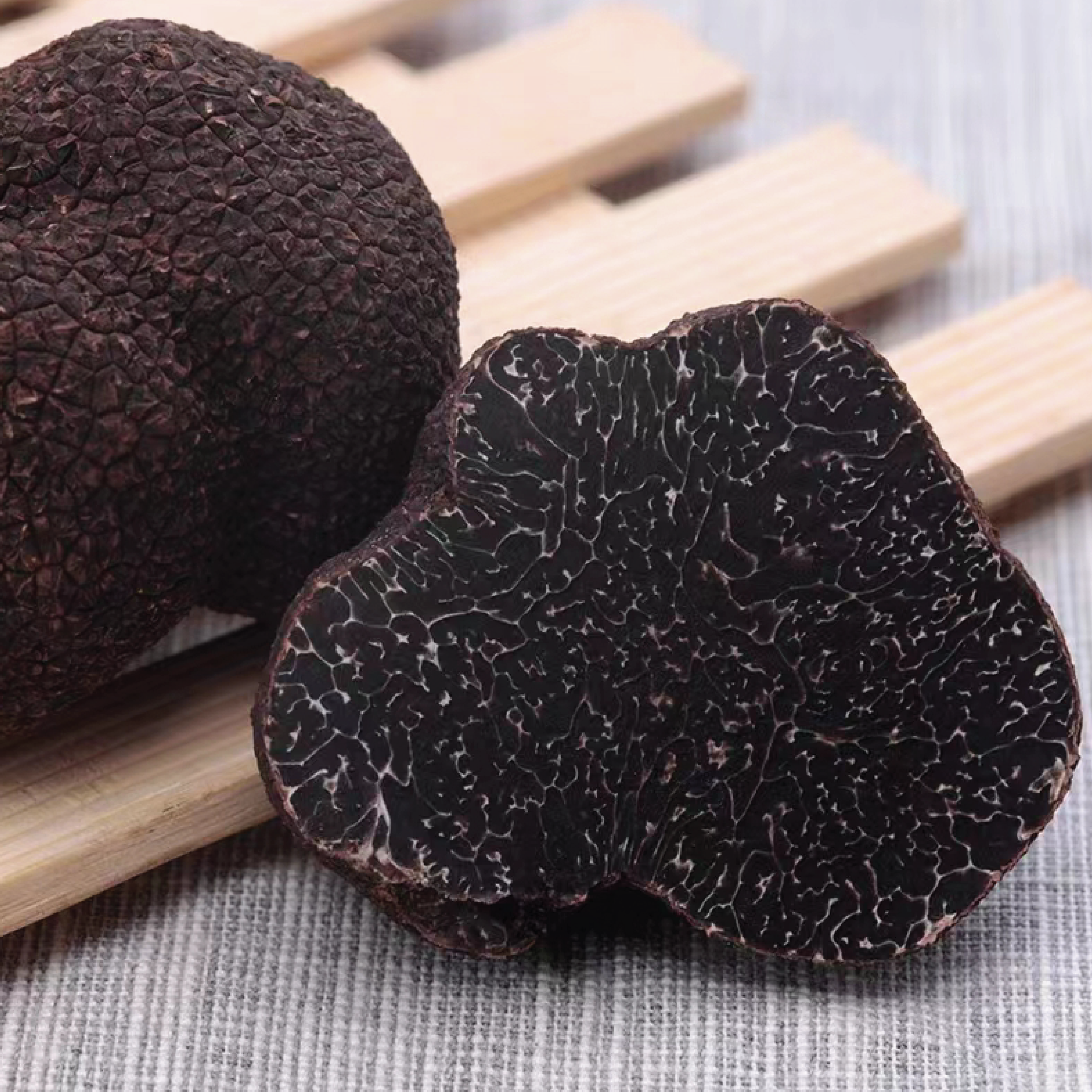
Verifying Authenticity and Traceability in Black Truffle Suppliers
International procurement of black truffle requires a verification strategy that goes far beyond visual inspection. A supplier’s ability to substantiate the entire journey—from soil to shipment—is the definitive measure of its quality control. This section outlines a scientific and process-driven approach to validating both a truffle’s identity and its documented history, protecting your supply chain from fraud and compliance breakdowns.
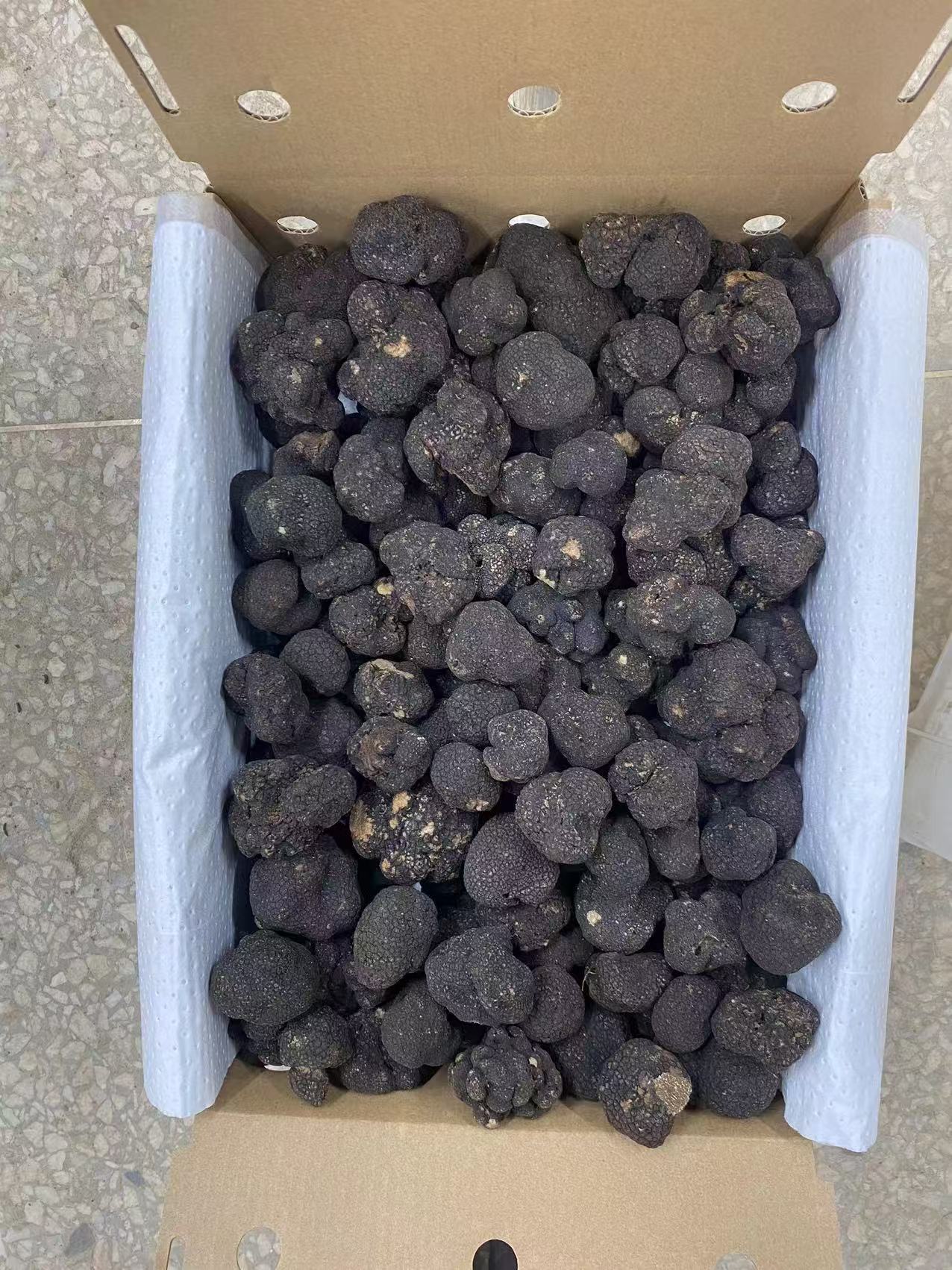
Why end-to-end traceability is non-negotiable for black truffle reliability
Traceability in a black truffle supply chain is more than a logistics record; it is the primary risk mitigation tool for a product whose value can exceed $3,000 per kilogram. A complete chain-of-custody record establishes legal and commercial integrity by proving precise harvest location, collection time, and handling conditions. This level of detail is essential for importers navigating stringent food safety frameworks—authorities often require trace-back capability to the specific orchard in the event of a contamination alert. Beyond compliance, unbroken documentation acts as a direct fraud deterrent, making it significantly harder to introduce lower-value species like Tuber indicum into a batch of authentic Tuber melanosporum. The commercial consequence of a failed audit or adulteration event is immediate and severe: market access can be revoked, and buyer trust—which 40% of consumers say is grounds for permanently abandoning a brand—is destroyed. Effective traceability therefore transforms the black truffle from a simple commodity into a verified, risk-assessed asset, with batch-specific data creating a defensible record of authenticity. This process should culminate in a minimum viable evidence pack from the supplier, including lot numbers, harvest geo-coordinates, and a direct contact for the quality officer. Any delay in delivering this information must be treated as a critical warning signal.
Scientific authentication: DNA barcoding, stable isotope analysis, and sensory validation
A robust authentication protocol must integrate advanced genomic science with trained human evaluation. DNA barcoding serves as the definitive molecular test for species declaration, amplifying standardized gene regions to irrefutably distinguish Tuber melanosporum from visually similar but economically inferior substitutes like Tuber indicum. Complementing this, stable isotope analysis verifies claimed geographic origin by measuring elemental ratios absorbed from local soil and water—answering questions that paperwork alone cannot address. These laboratory-based approaches require suppliers to submit samples under strict chain-of-custody protocols to accredited testing facilities. The final, equally critical layer is sensory validation, where trained inspectors assess firmness, visual marbling, and volatile aromatic profile. A truffle lacking its signature pungent aroma often signals improper storage or age, rendering it unsuitable for international transit. A reliable supplier systematically combines these three methods—moving beyond subjective claims to deliver a verified product profile where species identity, provenance, and market-ready quality are all scientifically confirmed before shipment.
Red flags: When blockchain labels obscure—rather than reveal—orchard origins
The marketing of blockchain as a transparent panacea requires deep scrutiny, as this technology can be strategically deployed to project an illusion of verification while masking fundamental data gaps. A primary red flag emerges when a supplier’s platform offers a sophisticated digital token but the initial on-boarding data point is simply a “collection center” rather than the precise, geo-referenced orchard. This practice can effectively launder undisclosed or protected foraging sites, preventing buyers from verifying whether soils meet contaminant limits like heavy metals. Another concealment tactic involves providing immutable records for post-harvest activities while remaining opaque about the identity of actual harvesters—obscuring the network of pickers whose practices are vital for quality and legality. Blockchain integration must begin at the point of extraction with verified GPS coordinates; otherwise, the entire subsequent digital history becomes an elaborate fiction. A truly transparent system connects open-source verification events, with every custody transfer linked to a validated physical inspection—ensuring the record reveals the truffle’s complete origin story, not a selectively curated version.
Meeting International Compliance and Certification Standards for Black Truffle Imports
Key certifications that build trust: PDO (France), USDA Organic, and regenerative verification for USA, UK, and China
Importers evaluating black truffle suppliers rely on certification frameworks that communicate product integrity without costly on-site audits. Protected Designation of Origin (PDO) certification—especially for French black truffles—legally binds the product to a defined geographic area and traditional know-how, guarding against mislabeling with inferior species. USDA Organic certification closes the gap for U.S. buyers by verifying that orchards avoid synthetic pesticides and fertilizers, a factor tied to consumer safety and environmental stewardship. In the UK and China, regenerative verification is gaining ground, with auditors assessing soil health metrics and biodiversity indicators. While not yet mandated, this marker signals long-term resilience and quality consistency critical for high-end retail and foodservice trade. Together, these certifications translate into faster customs clearance and stronger buyer confidence across three distinct regulatory regions.
Mandatory food safety frameworks: FDA FSMA compliance and EU Regulation 2023/915 readiness
Beyond voluntary seals, black truffle consignments must meet hard-line food safety mandates. For the U.S. market, the FDA’s Food Safety Modernization Act (FSMA) requires foreign suppliers to implement preventive controls and undergo a Foreign Supplier Verification Program, ensuring hazards such as heavy metal accumulation in truffle soil are systematically managed. Meanwhile, EU Regulation 2023/915 sets strict maximum levels for cadmium, lead, and mycotoxins in fresh fungi. Truffle exporters must demonstrate full analytical testing from accredited laboratories at every shipment stage. Non-compliance leads to batch rejections and trade disruptions, so importers routinely request real-time contaminant reports and letters of guarantee. Proactive alignment with these frameworks turns a black truffle supply chain from a risk-laden transaction into a dependable pipeline for perishable luxury goods.
Evaluating Regional Production Reliability Across Major Black Truffle Origins
When selecting reliable black truffle suppliers for international markets, a region’s production consistency is paramount. Climate stability, soil suitability, and grower expertise directly influence annual yield and quality. The table below compares key origins across reliability indicators.
| Origin Region | Climate Resilience | Soil & Symbiosis | Harvest Seasons (Peak) | Export Infrastructure | Reliability Risks |
|---|---|---|---|---|---|
| France (Périgord) | Temperate, mild winters; well-established terroir | Calcareous soils with oak/hazelnut | November–March (winter truffle) | Mature logistics; PDO supports traceability | Decreasing wild yields; disease in traditional orchards |
| Italy (Piedmont, Umbria) | Mediterranean; reliable seasonal patterns | Alkaline soils, oak partnerships | October–December (Tuber melanosporum) | Strong gourmet export network | Small-scale production; variable weather impacts |
| Spain (Teruel, Soria) | Semi-arid; large-scale truffières buffer output | Well-drained calcareous, holm oak | December–March | High-volume export; strong EU compliance | Over-reliance on few large growers; occasional heat stress |
| Australia (Tasmania, Manjimup) | Reverse seasons; controlled orcharding | Prepared calcareous, oak/hazelnut | June–August (counter-seasonal supply) | Emerging cold chain; fills northern hemisphere gaps | Younger industry; high soil prep costs; disease monitoring essential |
Buyers should verify not only certifications but also multi-year production records and on-the-ground partner resilience to judge a region’s true reliability.
Detecting Adulteration and Synthetic Substitutes in the Black Truffle Supply Chain
Common fraud tactics: Tuber indicum blending, synthetic aroma injection, and detection thresholds
A primary fraud is blending lower-cost Tuber indicum (Asian black truffle) with premium Tuber melanosporum. A 2019 MALDI-TOF mass spectrometry study revealed 26% misidentification in commercial truffle specimens Nature, 2019. Synthetic aroma injection also deceives; bis(methylthio)methane—the key white-truffle compound—is legally used but can be passed off as genuine. Isotope-ratio mass spectrometry distinguishes natural from synthetic aroma molecules Anal. Chem., 2018. Detection thresholds have plummeted: targeted PCR and next-generation sequencing can now spot adulterants at sub-1% levels.
FAQs on Verifying Authenticity and Traceability in Black Truffle Suppliers
Why is traceability important for black truffle suppliers?
Traceability ensures that black truffles are authentic, harvested legally, and adhere to food safety standards. It mitigates risks of fraud, contamination, and supply chain disruptions.
What is DNA barcoding, and why is it crucial for black truffles?
DNA barcoding identifies a truffle's species with molecular precision, distinguishing highly valued Tuber melanosporum from lower-value substitutes like Tuber indicum, ensuring authenticity.
Are blockchain systems reliable for tracing black truffles?
Blockchain systems can be effective if transparency starts with verifiable orchard-level data. Systems lacking this key detail risk masking authenticity and creating a misleading digital record.
Which certifications enhance trust in black truffle suppliers?
Certifications like PDO for geographic authenticity, USDA Organic for chemical-free farming, and regenerative verification for soil health and biodiversity bolster buyer confidence in product quality.
How can synthetic substitutes in black truffles be detected?
Advanced techniques like isotope-ratio mass spectrometry and DNA sequencing identify adulterants and synthetic aroma compounds, ensuring a truffle's natural quality.
Table of Contents
- Verifying Authenticity and Traceability in Black Truffle Suppliers
- Meeting International Compliance and Certification Standards for Black Truffle Imports
- Evaluating Regional Production Reliability Across Major Black Truffle Origins
- Detecting Adulteration and Synthetic Substitutes in the Black Truffle Supply Chain
-
FAQs on Verifying Authenticity and Traceability in Black Truffle Suppliers
- Why is traceability important for black truffle suppliers?
- What is DNA barcoding, and why is it crucial for black truffles?
- Are blockchain systems reliable for tracing black truffles?
- Which certifications enhance trust in black truffle suppliers?
- How can synthetic substitutes in black truffles be detected?