 EN
EN

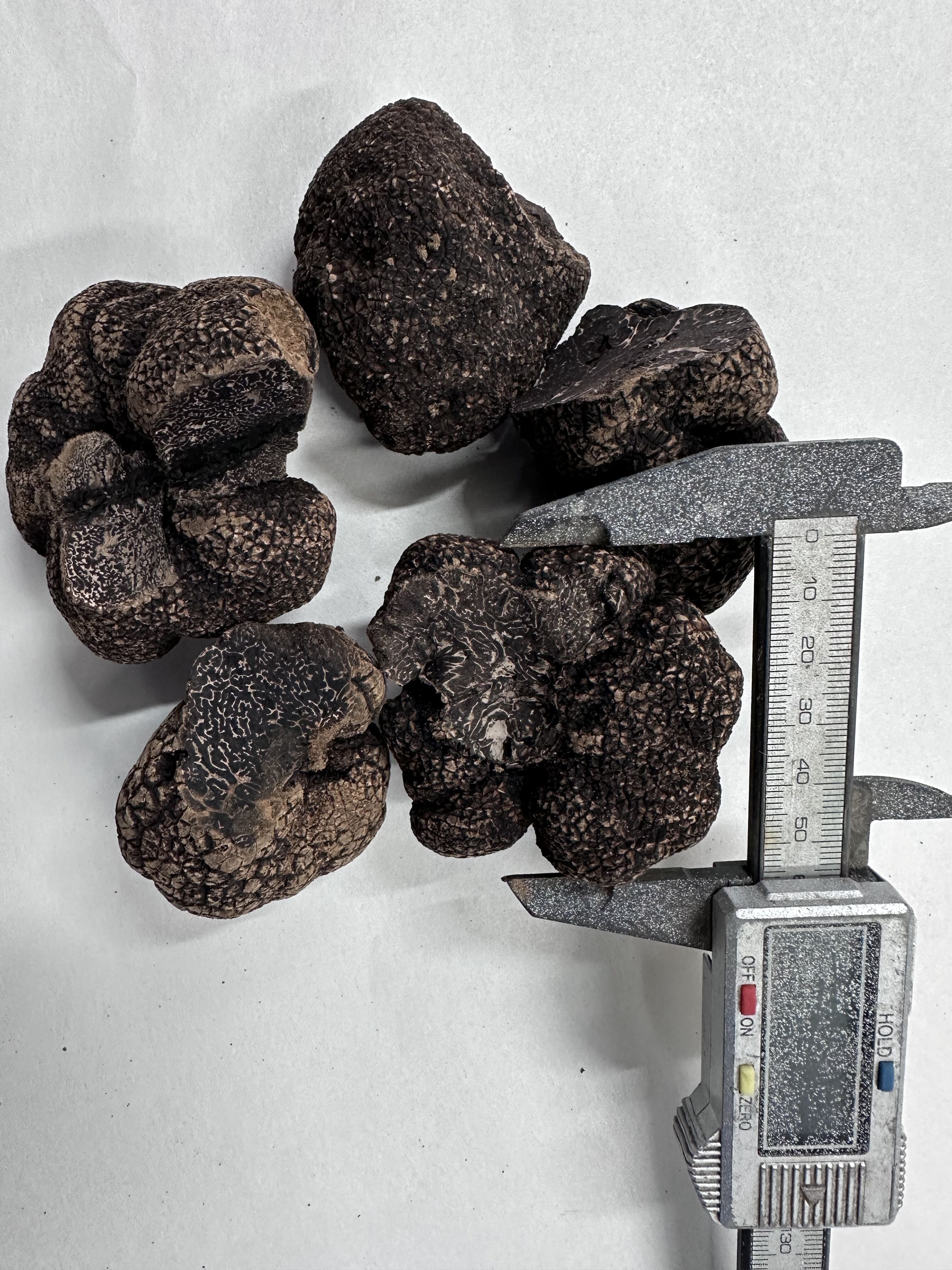
מדוע טריות הטרוף השחור מתדרדרת במהירות לאחר הקציר
אובדן ריח ורידה ביערות: אינדיקטורים מרכזיים של התדרדרות איכותית של טרפל שחור
טריות לאחר הקציר מתחילה לרדת בתוך שעות כאשר הפעילות המיטוכונדריאלית ממשיכה לצרוך חומרים מזינים פנימיים, מה שמוביל לניבוי מהיר של תרכובות נעות כמו דימטיל סולפיד אדמי. תכולת לחות גבוהה (7580%) יוצרת בו זמנית תנאים אידיאליים להתפשטות עובש. אינדיקטורים גלויים כוללים:
- פיזור ריח : עד 40% מהעוצמה הארומטית נעלמת ב -48 שעות
- שינויים ברקמה : קמטים על פני השטח והירידה בחוזקות סימן אובדן לחות
-
נזק חמצוני : שכבת שמן טבעית דקה לא מצליחה למנוע התכהות
הגורמים המאוחדים האלה מקצרים את חיי המדף ל-2–3 ימים בלבד ללא התערבות.
בסיס כימי: נדידות של מתיונל, 2-אצטילפירולין ודו-מתיל סולפיד ב Tuber melanosporum
תרכובות עטרות עיקריות מציגות נדידות קיצונית במהלך פירוק אנזימתי. המתיונל מתקלקל מהר ביותר, ומבטל את הטעמים האופייניים לדומע בתוך 24 שעות. התדרדרות מקבילה מתרחשת עם:
- 2-אצטילפירולין : מאבד את הטעמים הדומים לפקופון כאשר אנזימים מחמצנים טבעות פירול
-
דימתיל סולפיד : תחושות אדמה מתפוגגות כאשר קשרי גופרית נקרעים
תנודות טמפרטורה מאיצות את פירוק זה ברמה המולקולרית. ניתוחים באמצעות GC-MS מאמתים שבליה כימית — ולא צמיחה מיקרוביאלית — היא הגורם העיקרי להפחתה חישה ב-72 השעות הראשונות.
אופטימיזציה של אחסון קירור לטווח קצר למשאיות שבלוט שחורות בכמויות גדולות
שיטות עבודה מומלצות: איחסון בטמפרטורה של 2–4°C עם נייר ניגב ונעליים צמודים
שמירת טרופלי שחורות בין 1 ל-3 מעלות צלזיוס עם רטיבות של כ-90 עד 95 אחוז יכולה לצמצם את פירוק האנזימים בכמעט שלושה רבעים בהשוואה לאחסון בטמפרטורת החדר, לפי מחקר עדכני של פונג ועמיתים משנת 2022. כדי לשמור על הפטריות יקרות הערך האלה טרייה לאורך זמן, יש להתחיל בת wrapping בפאות נייר יבשות. פאות אלו סופגות כחצי גרם של לחות נוספת מדי יום לפני שמכניסים את הכל למיכל אטום. שילוב זה עוזר לשמר את הריחות העדינים מבלי לייבש את הטרופה עצמה. יצרנים רבים ממשיכים אפילו יותר רחוק ושואבים את אריזתם בגז חנקן כך שהחמצן נשאר מתחת ל-2 אחוז, מה שמצמצם בצורה משמעותית את הסיכון להתקלפות במהלך האיחסון וההובלה.
איזון בין בקרת רטיבות לסיכון מיקרוביאלי להארכת חיי מדף
תחזוקה של רמת רטיבות של 90–95% היא קריטית, שכן סטיות של יותר מ-±5% גורמות לאיבוד לא הפיך של kếtسيמאת' (Rinac, 2024). עם זאת, עודף רטיבות מושך צמיחת עופרת. אסטרטגיות עיקוריות כוללות:
- שימוש בחומרים סופגים בקיבוע כדי לשלוט בצינורות
- בקרת יומית והחלפת נייר כדי לחסום התיישבות מיקרוביאלית מוקדמת
- קירור מוקדם של מכולות ל-–1°C לפני טעינה, על מנת ליצב את הטמפרטורה הליבתית
איזון זה מאריך את תוחלת החיים המאוכסנת בקירור ל-10 ימים, תוך שמירה על 89% מהטרפנים המרכזיים – בהשוואה ל-5–7 ימים בלבד בטיפול תת-אופטימלי.
אסטרטגיות הקפאה לשמירה על איכות טרופה שחורה למחזור ענק
קפיאה מהירה באינקוב מאוייד ב-–30°C לעומת –50°C: השפעה על שמירת תרכובות נדיפות
כאשר קופאים במהירות שבלולי שחורים בתמיסות ranging בין -30 ל--35 מעלות צלזיוס תוך שעתיים בלבד מהאיסוף, מרבית הגדלים מבחינים כי הם שומרים על כ-90 אחוז מתרכיבי הריח היקרים הללו. הקירור המהיר יוצר גבישים קטנים של קרח אשר עוזרים להגן על מבני התאים הרגישים שמכילים טרפנות חשובות כמו אנדרוסטנון (שמעניקה את ריח האדמה המובהק). עם זאת, הקפאה בטמפרטורות נמוכות יותר אינה שווה את העלות הנוספת. בטמפרטורה של -50 מעלות צלזיוס, עלות הפעלה עולה בכ-40 אחוז, אך אין שיפור משמעותי בהשמרת הטעמים הנטפלים. לאחסון, חובה להשתמש בภาדים אטומים למניעת חמצון. התערובות האלו הוכיחו כי הן שומרות על כ-82 אחוז מהרכיבים המרכזיים כמו מתיונל ודי-מתיל סולפיד עד שתי חודשים, מה שהופך אותן להשקעה מוצדקת למרות העלות הראשונית.
פוגעים במטוס: האם הקפאה פוגעת באופן בלתי הפיך במרכיבי הריח של טריופים שחורים?
רוב האנשים חושבים שקפיאה מקלקלת טעמים, אך זה כלל לא נכון אם עושים את זה נכון. מה שחשוב באמת הוא כמה מהר הדברים קופאים. קפיאה איטית יוצרת גבישי קרח גדולים שקורעים את תאי המזון, וזה בהחלט משפיע על הטעם. מחקר מראה שטרופים שמוחזקים בטמפרטורות מתאימות שומרים על כ-80% מהתרכובות המיוחדות שנותנות להם את הריח והטעם הייחודיים. ספקים גדולים שמבקשים לשמור על איכות גבוהה מעדיפים לרוב קפיאה מהירה בעזרת מקררים חזקים, ואז איטמים את כל החבילות בצורה הדוקה. שיטה זו שומרת על טקסטורה עבה וטעמים מורכבים, כמעט כאילו הם נקטפו זה עתה. הרעיון השלם שקפיאה גורמת נזק קבוע? הוא מגיע מאנשים שעושים את זה לא נכון, ולא בגלל שהקפיאה בעצמה היא רעה.
אריזה מתקדמת ולוגיסטיקת שרשרת קור לספקית טרוף שחור בינלאומית
הובלת שיזפון השחור היקר הזה ברחבי העולם דורשת שליטה אמיתית במקורות המזון, כיוון שהוא מאבד את תרכיבי הטעם שלו בקלות רבה. כשמדובר באריזה, שטיפת חנקן עוזרת להדוף חמצן מהאריזה, מה שמפחית את פירוק הטרפנים בכ-15% בהשוואה לשימוש באריזות וואקום בלבד. בנוסף קיימים מוכתבים עבי קצף ניתנים לפליטת שתומכים בתכולה במהלך ההובלה ומונעים נזק מרטיטציות מתמשכות. שמירה על קור היא עוד עניין חשוב. מעקב GPS בזמן אמת עם התראות טמפרטורה אוטומטיות מבטיח שהטמפרטורה תישמר בתחום של 2–4 מעלות צלזיוס לאורך כל ההובלה. זה גם הפחית מאוד בעיות של התדרנות – הרבה חברות נתקלו בעבר בבעיות כאלה, עם איבודים שממוצעים סביב 22%, אך כיום הם ירדו לכדי 3% בלבד, לפי מחקר עדכני משנת 2023. עבור מסעות ארוכים יותר של מעל 48 שעות, אריזת אטמוספירה معدلת (MAP) עם החורים הזעירים המיוחדים בחומרים מאושרים ע"י האיחוד האירופי עושה פלאים בניהול רמות הלחות והחלפת האוויר. כל השיטות השונות האלו פועלות יחד כדי להתמודד עם הלם טמפרטורה בשדות התעופה ולשמור על הריח המדהים שшеפים אוהבים כל כך בעת אספקת מוצרים איכותיים.
שאלות נפוצות
למה שיבולת שועל שחורה מתדרדרת במהירות לאחר הקטיף?
Шибולת שועל שחורה מתדרדרת במהירות עקב פעילות מיטוכונדריאלית מתמשכת, תכולת מים גבוהה, איבוד ריח, שינויי טקסטורה ונזק חמצוני.
מהן שיטות האחסון הטובות ביותר לשיבולת שועל שחורה?
אחסנו שיבולת שועל שחורה ב-2–4 מעלות צלזיוס, עטפו בנייר סופג, השתמשו בקופסאות אטומות ולאטמוספרה ושמרו על רטיבות של 90–95% לצורך תוצאות מיטביות.
האם הקפאת שיבולת שועל שחורה משפיעה על הריח שלה?
אם נעשה נכון באמצעות הקפאה מהירה וריפוד ריק, הקפאה אינה מפגעת באופן בלתי הפיך בתרכובות הריח של שיבולת שועל שחורה.