 EN
EN

Регіон Перигор: осередок преміального виробництва чорних трюфелів
Tuber melanosporum: таксономія, екологія та чому саме він визначає стандарт чорного трюфеля
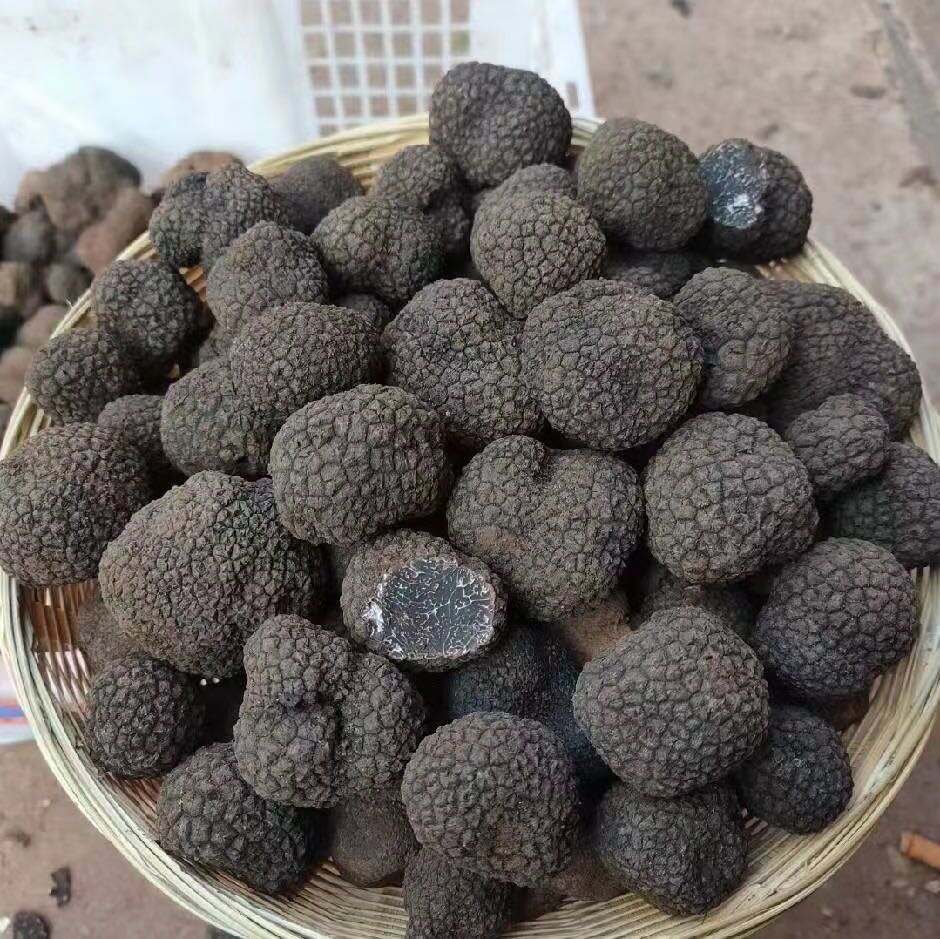
הטרוף השחור פריגורד, הידוע מדעית כ-Tuber melanosporum, שייך למשפחת הפטריות האסקומיציטים Tuberaceae. טרופים אלה חייבים ליצור שותפויות מיוחדות עם עציwald מסוימים כדי לשרוד בכלל. בדרך כלל הם מתאגדים עם אלוני אורן, אלוני נוי, ולפעמים אפילו עם שיזף. גדילת הטרוף מתרחשת מתחת לאדמה בחורף ובסתיו, כאשר הטמפרטורה ורמת הלחות בקרקע מגיעות לתנאים המתאימים. מה גורם לטרופים האלה להיות כל כך מיוחדים? הריח שלהם הוא בלתי נשכח לחלוטין - דמיינו קרקע רטובה מעורבת עם איבים של קקאו עשיר, רמזים של פירות יבשים, ומשהו כמעט חיותי. הטרוף השחור הספציפי הזה הפך לתקן הזהב באיכות בין כל הטרופים השחורים ברחבי העולם. כשנגמר הזמן לקטיף, הקליפה החיצונית שלו הופכת מחשוכה לסגולה, בעוד הפנים מפתחים את העורקים הלבנים המאפיינים שמציינים פרטים איכותיים. במשך מאות שנים, הטרופים הללו שגשגו בסביבה הספציפית של פריגורד, צרפת. כיום הם מהווים כ-67% משוק הטרופים העולמי מבחינת ערך, לפי הערכות עדכניות, מה שהופך אותם ללאispensable בעולמות האוכל הדéliкатים ברחבי העולם.
הטרואר חשוב: קרקעות כלسيות, אקלים תיכוני ויערות אלון עתיקים בדרום צרפת
העליונות של פריגור נובעת מהצטברות נדירה של גאולוגיה, אקלים ומסורת סילביקולטורלית:
- כימיה של הקרקע: קרקעות כלסיות עמוקות ונדרסות היטב – הנגזרות מסלעי הגיר היורה – עם pH של 7.5–8.0 מספקות סידן ומגנזיום חיוניים ומונעות הצפת שורשים.
- אקלים: מצב אקלימי תיכוני מספק חורפים מתונים ולחים (חשוב להזחלת תהליך הפריחה) וקיץ חם ויבש שמגרה את עצי המארח במידה מספקת כדי לעורר איתות סימביוטי. טמפרטורות קרקע בין 2°C ל-8°C בדצמבר–פברואר הן אופטימליות ripening של הטרוף.
- אקולוגיה של היער: יערות אלון עתיקים עם צמרת פתוחה – שנוהלו באמצעות שיטות מסורתיות של טרופייר מאפשרים אור שמש מפוזר, מעודדים אירוי שורשים ותומכים בקהילות מיקרוביאליות יציבות.
לנסות להעתיק את שילוב שלושת החלקים הזה פשוט לא עובד עם נוסחאות או קיצורי דרך. אזורי משנה אחרים מנסים טריקים דומים, כמו נטיעת עצי הגידול המיוחדים האלה על מיטות אבן גיר, אבל ничто אינו מגיע אפילו קרוב להתאמת פרופיל הריח העשיר, האיכות הארוכה במדידה, או דפוס השישוי הייחודי הנמצא במוצרים אמתיים של פרייגור. מה גורם לכך להיות אפשרי? ובכן, זה באמת עניין של הדבקה בדרכי הטבע, בשילוב עם מאות שנים של ניהול קרקעות זהיר שהועבר מדור לדור. החקלאים המקומיים מכירים את היערות שלהם מצוות עד צמרת, והחיבור העמוק הזה מתבטא בכל היבט של המלאכה שלהם.
מוצאי טרופה שחורה עלו: ספרד, איטליה וקרואטיה
העלייה המהירה של ספרד — מהכנסות בר-מהלך למטעי טרופה שחורה בעלי תפוקה גבוהה ואישורים
ספרד הפכה למובילה ברורה בייצור טרופלי באירופה, במיוחד במחוז טרוול, שם מייצרים כ-80 טון מדי שנה, וזה מהוות כמעט 60% מהכמות שנמכרת מסחרית בכל יבשת אירופה. הסיבה לעליה הזו? חקלאים מוסיפים להמיר את היערות אלון ישנים ופחות פרודוקטיביים לגינות מטופחות, ובונות עצי צעירים שכבר נזרעו בהם T. melanosporum. האדמה באזור מתאימה מאוד לצרכים הללו – אדמה סלעית עם רמת חומציות המתאימה בין 7.5 ל-8.2, מעט גשמים בזמן הקריטי של הקיץ, והרבה שמש. יזמים חכמים משתמשים במערכות טפטוף להשקיה יעילה, בודקים באופן מתמיד את הכימיה של האדמה בעזרת חיישנים, ומסדרים את התנופות של העצים כדי לאפשר לשורשים להתרחב כראוי. כל המאמצים האלה נתנו תוצאות טובות במיוחד, והגדילו את ההכנסות פי שלושה לעומת הרמות של 2015. אמנם, הטרופלים השחורים הספרדיים עוברים ללא בעיה את כל מבחני האיכות של האיחוד האירופי, אך רבים מהמומחים שמים לב שהם בעלי טעם עפרתי יותר, עם פחות טעמים מורכבים בהשוואה לטרופלים הייחודיים מאזור פרייגורד שבצרפת. ההבדל הזה בטעם הוא מה שמסביר מדוע טרופלים ספרדיים עולים בדרך כלל כ-30% פחות מחבריהם הצרפתיים בשוק.
המורשת הייחודית של איטליה: שיבולת שועל שחורה איטלקית בומבריה ובאברוצו
מה שמיוחד באיטליה זה פחות הכמות ויותר האיכות כשמדובר בשיבולים. באזור ולי ספולטנה באומבריה ולרוחב הרגלים של האפניסים באברוצו, ציידים מקומיים משתפים פעולה עם כלבים מתואמים במיוחד כדי למצוא את יהלומי האדמה השחורים האלה. הם גדלים חבויים מתחת לעצי אלון ולבנות בני מאות שנים בנקודות ייחודיות אלו שבהן הקרקע מעוצבת על ידי שכבות דקות של אבן גיר, שינויי גובה ומistencia קבועה בבוקר. התוצאה? שיבולים שיש להם רשת עורקים עשירה יותר, מישוש קשה יותר ונשאים את הטעם העבה והארצי שהמטבחים המופלחים מוכנים לשלם עליו סכומים כבירים. אנחנו מדברים על תפוקה שנתית שלא עולה על חמש טונות סה"כ, אך בכל זאת נמכרת בשוק בין 1,500 ל-2,000 יורו לקילוגרם. מה שמעניין הוא איך הקולקטורים המסורתים מחזיקים בשיטות ישנות שלא מפריעות לאדמה, ושומרות על רשתות הפטריות עדינות אלו שלמות ומحمות את היערות לדורות הבאים. הגישה הזו כבר לא רק מסורת – היא אפילו נקבעת בחוקי הגנת הסביבה הרשמיים ברחבי האזור.
למה מקורות השיזוף השחור מוגבלים אקולוגית — ולא רק גאוגרפית
שיזוף שחור אינו פשוט מוצר ‚גאוגרפי‛ — אלא תוצאה אקולוגית. Tuber melanosporum שורד רק כאשר מתכנסים שלושה מערכות תלויות-בזה-בזה:
- סימביוזה מייקוריזלית חמורה : הפטרייה חייבת להצטבר על שורשים של עצים מארח תואמים — בעיקר אלון ושקמיה — ולחלוף על זרחן וחנקן פחמן פוטוסינתטי. אין מארח, אין שיזוף.
- כימיה קפדנית של הקרקע : קרקעות נגזרות מסלע כלسي עם pH של 7.5–8.3 הן חסרות פשרות. מתחת ל-pH 7.5, אנזימים מרכזיים נכשלים; מעל 8.3, משקעים של סידן פחמתי מפריעים לרשתות ההיפתיות. קרקעות חומציות או ניטרליות — גם באקלים המהווה באופן כללי אידיאלי — אינן יכולות לתמוך בהצטברות ברת קיימא.
- פנולוגיה מדiterranean : לעקרוב יש צורך בצמצום בקיץ, שלאחריו ירידות סתיוית וקור עונתי מתמשך. ללא הקצב העונתי הזה, מנגנוני ההפעלה המטבוליים להתפירות ולהבשלה נשארים שבתים.
קרבה גאוגרפית לבדה אינה מספיקה. ייתכן שאתר יושב באותה קו רוחב כמו פריגור, אך ייכשל אם סלע היסוד שלו הוא גרניט, כמות הגשמים שלו מוגזמת, או האורנים שלו אינם תואמים מבחינה גנטית. הספציפיות האקולוגית הזו – ולא המיקום בלבד – היא מה שהופך את הייצור האמיתי של T. melanosporum לנדיר ויקר כל כך.
השתדלות גידול עולמית: למה רוב מchemes גידול שיזף שחור מחוץ לדרום אירופה נכשלות
למרות למעלה מ-30 שנות השקעה בינלאומית, גידול מוצלח מחוץ לדרום אירופה עדיין יוצא דופן – שיעורי הכישלון עולים על 80%. הסיבות נעוצות בקשיחות ביולוגית, ולא בחוסר מאמץ: Tuber melanosporum ה Cultivation מוצלח מחוץ לדרום אירופה נשאר יוצא דופן – שיעורי הכישלון עולים על 80%. הסיבות נעוצות בקשיחות ביולוגית, ולא בחוסר מאמץ:
- מגבלות הקרקע הן מערכת : תצורות קלציטיות עם pH טבעי של 7.5–8.3 נדירות מחוץ לאגן הים התיכון. חיטוי מלאכותי לעתים קרובות מערער את המיקרוביום המקומי החיוני להשתלת שיזף, בעוד ששקיה עלולה לשלוט את האלקליניות או לקדם פטריות מתחרות.
- סנכרון האקלים אינו ניתן לשחזור : רק אזורי מזג אוויר בודדים מספקים את רצף הקיץ החם-יבש, הסתיו הקר-לח והחורף הקרה-לחדר הנדרש ללחץ סינכרוני של המארח, היווצרות פלואידיות של הפטרייה ובשלב החורף הבשל. אזורים מתונים עם גשמים אחידים או קור ממושך לעתים קרובות עוצרים את ההתפתחות בשלב שלפני ייצור הפירות.
- סימביוזה היא ספציפית למין ולזן לא כל הגנוטיפים של עצי אלון יוצרים שותפויות יעילות עם חומרי חיסון מסחריים. טעויות במשתלה - כגון זיווג לא תואם של מארח-חוסן או אימות קולוניזציה לא מספק - מובילות ל"מטעני רפאים": עצים בוגרים ללא ייצור כמהין.
- אופקי הזמן מונעים עמידות : פרדסי טרפים דורשים 7–15 שנים עד הליקוט הראשון, עם שיאי תפוקה שמגיעים רק בשנה 10–12. בשל היעדר הכנסות ביניים ועומס עלויות תחזוקה גבוהות, רבים מהפרויקטים קורסים לפני שהמשיכית האקולוגית מושגת.
מחקר שפורסם על ידי אוניברסיטת ברצלונה יחד עם ממצאים ממרכז המחקר הבינלאומי לחומרים, מראה שחקלאות שומרים מסחרית פעלה באופן מהימן רק בשני מקומות עד כה: עמק יארה באוסטרליה ואזור מולה בצ'ילה. לאזורים האלה יש בדיוק את התערובת הנכונה של מבני סלע מקומיים, תנאי מזג אוויר ומינים של עצים שפועלים יחד באופן טבעי. רוב הניסיונות האחרים ליצור סביבות דומות נכשלים, מכיוון שאנשים נוטים להתעלם ממידת הרגישות של הקשר האמיתי בין הפטריות, העצים המארחים אותם, והאדמה שסביבם. הצלחת שילוב נכון של שלושת הרכיבים הללו נותרת לאחד האתגרים הגדולים ביותר לכל מי שמנסה לגדל שומרים מחוץ לאזורים המיוחדים האלה.
שאלות נפוצות
מהו שומר פריגור שחור?
השומר הפריגור השחור, הידוע מדעית בשם Tuber melanosporum, נחשב לתקן הזהב של שומרים שחורים בשל ריחו הייחודי וعروותיו הלבנות המובהקות.
למה האזור פריגור הוא אידיאלי לגידול שיזפון?
הוא משלב כימיה אופטימלית של הקרקע, אקלים תיכוני מתון ויערות אלון בני מאות שנים, ויוצר תנאים מושלמים לצמיחת שיזפון.
אילו קשיים נתקלים אזורים מחוץ לדרום אירופה בגידול שיזפון שחור?
לעיתים קרובות חסר להם הרכב כימי נכון של הקרקע, סנכרון עם האקלים והתאמה ספציפית של סימביוזות בין מינים, הדרושים לגידול שיזפון מוצלח.